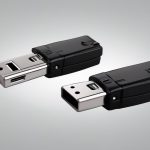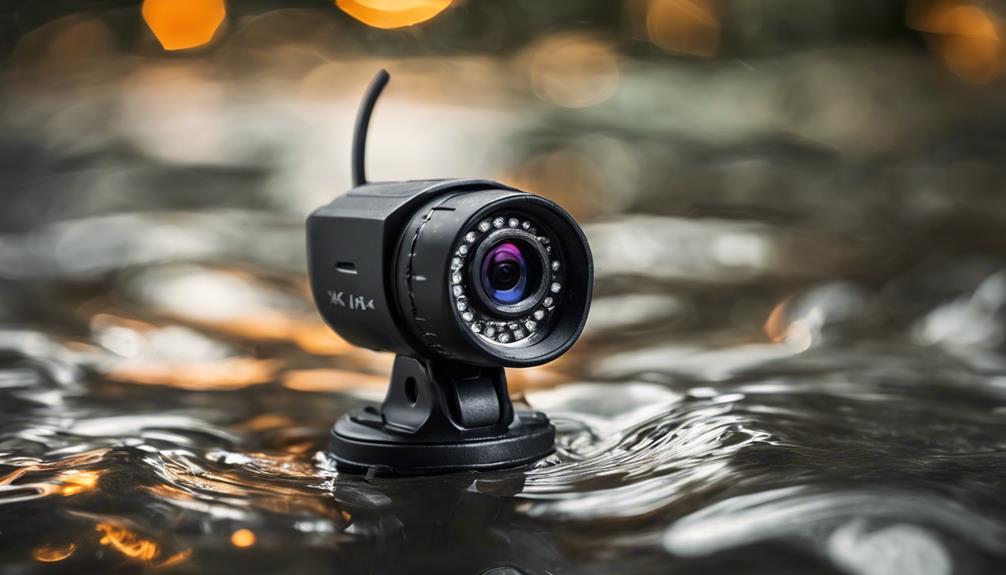

A rectangle camera is a compact surveillance device built around a practical, space-efficient form. Its flat or elongated housing can fit neatly into shelves, cabinets, clocks, frames, and other everyday settings, while leaving room for a lens, battery, storage, and wireless components. That combination makes the rectangular design useful for ordinary security monitoring as well as discreet installation where an obtrusive camera would be unsuitable.
Why the rectangular form matters
Compared with round or cube-shaped housings, a rectangular enclosure can make better use of limited internal space. Its length and width may accommodate a larger battery, image sensor, circuit board, or antenna without requiring a significantly thicker body. The design can also be easier to mount beneath cabinets, along shelves, or near ceiling edges.
The shape is especially compatible with familiar household and office objects, including digital clocks, power banks, picture frames, and other small electronics. However, a camera should not be disguised or placed in a way that violates privacy laws or leads people to believe they are not being recorded where disclosure or consent is required.
Features to compare before buying
The housing shape is only one part of a camera’s performance. Compare the following specifications with the area you need to monitor:
- Resolution: Full HD can provide clear everyday footage, while higher resolutions may preserve more detail when the camera is correctly positioned. Resolution alone does not guarantee useful images.
- Low-light performance: Some models use infrared illumination for night vision, while others depend on more sensitive CMOS sensors to produce better results in dim conditions. Check whether night footage is monochrome or in color.
- Lens and viewing angle: A wide-angle lens covers more of a room but may show greater perspective distortion. A narrower lens can be more suitable when detail is needed at a distance.
- Power: Battery operation simplifies placement but requires charging or battery changes. USB-powered models are better suited to continuous operation when a discreet cable can be installed safely.
- Storage: Depending on the model, recordings may be saved to a microSD card, a connected device, or cloud storage. Review retention settings and storage costs before choosing a system.
- Connectivity: Wi-Fi can support live viewing and app controls, but it also introduces network-security responsibilities. A wired connection may be preferable for fixed installations when available.
Planning placement and coverage
Good positioning often matters more than buying the highest specification. Install the camera where its lens has a clear view and is not blocked by furniture, ornaments, or reflective surfaces. A slightly elevated position can provide a broader view of entrances and rooms, but the ideal height depends on the camera’s lens angle and the area being monitored.
Use the live preview, if available, to check framing before final installation. Confirm that important areas are visible without unnecessarily recording neighboring properties, private spaces, or locations unrelated to the security purpose. For a battery-powered unit, choose a position that allows safe access for charging without requiring frequent dismantling.
Appropriate applications
Rectangular cameras can support several legitimate monitoring tasks:
- Checking entrances, shared living areas, or other parts of a home where recording is permitted.
- Monitoring reception areas, stockrooms, or other business spaces with appropriate notice and workplace policies.
- Viewing a nursery or checking on an elderly family member when the arrangement respects consent and applicable requirements.
- Observing outdoor areas or wildlife with equipment and placement suitable for the environment.
Do not use a camera in bathrooms, changing rooms, bedrooms used by others, or any location where people reasonably expect privacy. Avoid recording conversations unless local law permits it and the people involved have been properly informed when required.
Privacy and network security
Before installation, check the rules that apply in your jurisdiction. Requirements can differ depending on whether the camera records video, audio, employees, tenants, visitors, public areas, or neighboring property. Clear notice and consent may be necessary, particularly in workplaces or shared homes.
Wireless cameras should also be treated as connected computers. Change the default password immediately, use a strong unique password, and install firmware updates supplied by the manufacturer. Secure the home or office network with WPA2 or WPA3 where supported. Separating smart devices from computers and sensitive accounts on a guest or dedicated network can reduce the impact of a compromised camera. Review app permissions, cloud settings, and who can access live footage.
Choosing the right rectangle camera
The best model is not necessarily the smallest or highest-resolution option. Start with the purpose, viewing distance, lighting, available power, storage preference, and legal requirements. Then select a camera with suitable low-light performance, reliable mounting options, secure software, and controls that make recording easy to manage.
A rectangular camera can provide a practical balance between compact installation and useful internal space. Used transparently, securely, and within the law, it can be an effective tool for home, business, and outdoor monitoring without adding unnecessary visual clutter.