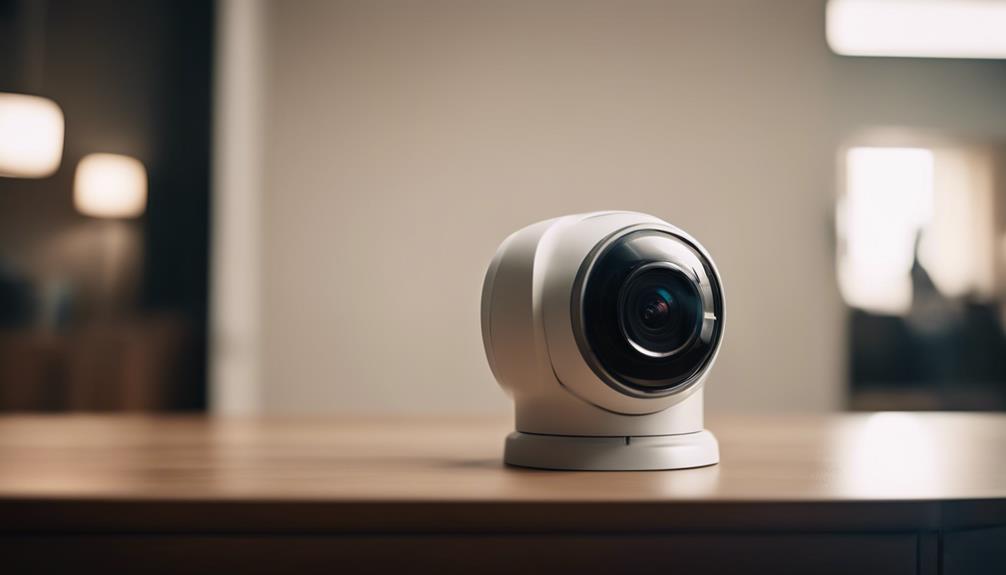

Discreet camera placement can support home security, small-business monitoring, and other legitimate purposes—but only when it respects privacy and applicable law. The goal should not be to secretly observe people in situations where they reasonably expect privacy. Instead, focus on responsible surveillance of property, entrances, and shared spaces, with clear policies and appropriate consent.
What makes a camera placement effective?
A useful installation balances three factors: discretion, image quality, and reliability. A camera should fit naturally within its surroundings without being unnecessarily conspicuous, while still capturing a clear view of the area it is intended to monitor.
- Discretion: The device should not distract from the room or appear out of place.
- Functionality: Resolution, field of view, low-light performance, audio settings, and motion detection should match the purpose of the system.
- Reliability: Power, network connectivity, storage, and maintenance must be considered before installation.
A camera that is well concealed but aimed at the wrong area is of little value. Likewise, a high-quality camera can become ineffective if its lens is obstructed, its battery frequently runs flat, or its wireless connection is unreliable.
Common discreet camera formats
Different camera designs suit different environments. Selecting a device based on its legitimate monitoring purpose is more important than choosing the smallest model available.
- Pinhole cameras: Compact units that may be integrated into an approved housing or fixed installation where a small lens is appropriate.
- Clock and photo-frame cameras: Designed to blend into ordinary furnishings in shared areas such as offices or living rooms.
- Ceiling-mounted cameras: Smoke-detector-style housings can provide a broad viewpoint when used in a lawful, clearly defined security system. They should never be installed in bathrooms, changing areas, or other private spaces.
- Charger-style cameras: These may resemble common power accessories, but their use should be transparent where people could reasonably be recorded.
- Pen and button cameras: Small wearable formats that require particular caution because they can record people at close range without their knowledge.
Every format involves trade-offs. Small devices may have shorter battery life, narrower viewing angles, or weaker low-light performance. Check the specifications and choose equipment that can meet the intended security need without excessive collection of personal information.
Planning a responsible installation
Begin by identifying the specific area and event that need protection. Entry doors, reception areas, storage rooms, and other authorized shared spaces are generally easier to justify than bedrooms, bathrooms, or private offices. Limit the camera’s field of view so it captures only what is necessary.
Before finalizing the position, check for obstructions, reflections, glare, and changing light conditions. Decorative glass, mesh, and tinted covers can reduce image quality. Test the view during both daytime and nighttime, and confirm that the camera does not point into neighboring property or another area where privacy is expected.
For wireless equipment, test the connection from the actual installation point rather than assuming coverage will be sufficient. Wired power or network connections may be more dependable for cameras that need continuous operation. Battery-powered devices require a charging or replacement schedule.
Storage, access, and system security
Recorded footage should be protected as carefully as any other sensitive information. Use strong, unique account credentials and enable available security controls. Limit access to people who genuinely need it, and avoid retaining recordings indefinitely.
Local storage, such as an SD card, can reduce dependence on an online service, while encrypted backups may help preserve important footage if a device fails. Whichever approach you use, document who can access recordings and establish a deletion schedule that matches the monitoring purpose.
If footage may be needed for a formal complaint or investigation, keep the original file unchanged and record when it was downloaded, by whom, and where it was stored. Do not edit the only copy.
Legal and ethical boundaries
Rules governing cameras and audio recording differ by location. Audio can be subject to stricter consent requirements than video, and recording in private spaces may be prohibited. Workplace monitoring, rental properties, caregiver situations, and recordings involving visitors can each involve additional obligations.
Before installing a system, review the rules that apply where you live and obtain legal advice when the situation is uncertain. In workplaces and shared residences, written notice and clearly communicated surveillance policies may be appropriate or required. Never use hidden cameras to invade intimate privacy, intimidate someone, or monitor people without a legitimate, lawful purpose.
Maintenance checklist
- Clean the lens and inspect the housing regularly.
- Check battery levels, cables, and network connections.
- Confirm that motion detection and low-light recording work as expected.
- Install firmware updates from the manufacturer when appropriate.
- Review the camera angle and field of view after furniture or equipment moves.
- Delete footage that is no longer needed.
Used carefully, discreet monitoring can contribute to property protection without undermining trust. The strongest setup is not simply the hardest to notice; it is one that has a clear purpose, collects only necessary footage, protects that footage properly, and respects the privacy and rights of everyone who may be recorded.