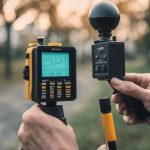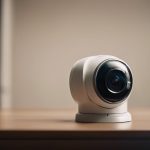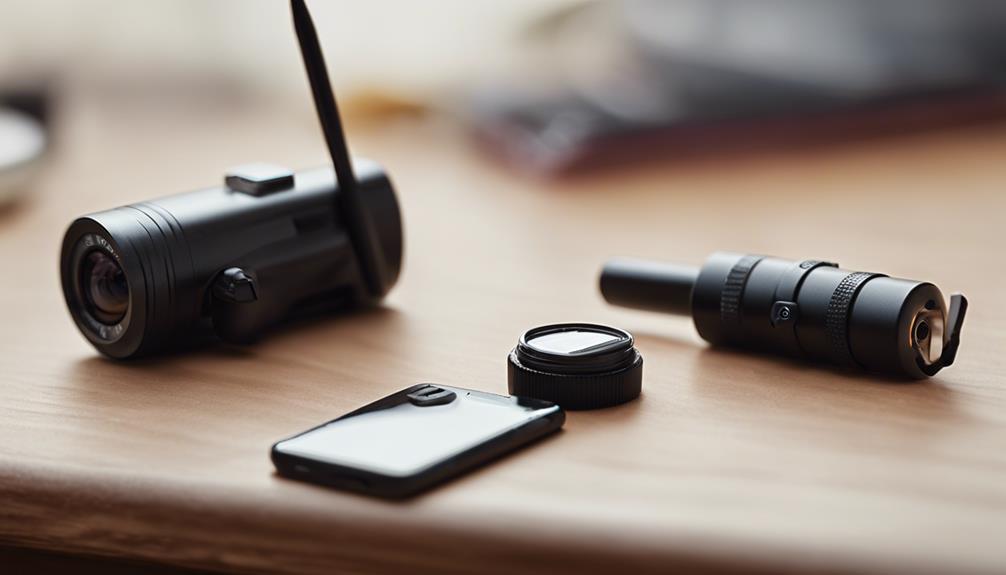

A well-planned camera set can help protect a home, office, shop, or other property by recording activity around important areas. The best setup is not necessarily the largest or most discreet one. It should match the space, provide the coverage you actually need, and respect the privacy of everyone who may be recorded. Consider this compact surveillance kit from the camera set when exploring discreet recording applications at home or office.
What a camera set usually includes
A camera set typically combines the equipment needed for video monitoring in one package. Depending on the system, it may contain:
- One or more indoor or outdoor cameras
- A digital video recorder, memory card, or cloud storage option
- Power adapters, rechargeable batteries, or wiring
- Mounting brackets and installation hardware
- Network equipment or wireless connectivity
- Mobile or desktop software for viewing footage and managing alerts
Some packages are designed for a single room or entrance, while others combine several camera types. A doorbell and outdoor camera bundle, for example, can cover a front door while also monitoring a driveway, garden, or other exterior approach. A multi-camera kit may be more suitable for a larger property where several entry points need attention.
Common uses in homes
Home monitoring systems are often used to check entrances, deter theft, document property damage, or see what is happening while residents are away. Indoor cameras may also help families check on children, pets, or elderly relatives when used with care and appropriate consent.
Discreet monitoring can be useful in limited circumstances, but concealment should never be treated as a reason to ignore privacy. Cameras should not be placed in bedrooms, bathrooms, changing areas, or other locations where people reasonably expect privacy. In many homes, a visible camera is a better choice because it provides security benefits without creating uncertainty for family members, visitors, or service providers.
Business and property monitoring
Businesses may use visible cameras to monitor entrances, sales floors, stockrooms, reception areas, and exterior approaches. Visible equipment can act as a deterrent, while recorded footage may help clarify what happened after theft, vandalism, or unauthorized entry.
Property owners and landlords should take particular care when monitoring shared spaces. Cameras should serve a clear security purpose and avoid unnecessarily recording inside private homes, neighboring properties, or areas used for personal activities. Employees, tenants, contractors, and visitors may also need to be informed about monitoring, depending on the applicable rules and circumstances.
Legal and ethical checks before installation
Privacy and surveillance laws vary by location. Video recording may be treated differently from audio recording, and audio can have additional consent requirements. Before installing a concealed device or recording conversations, check the rules that apply where the camera will be used. When the situation involves employees, tenants, children, caregivers, or shared accommodation, professional legal advice may be appropriate. Pairing a complete camera set with reliable surveillance management software can simplify monitoring and improve coverage.
Good practice includes:
- Define the security problem before choosing a camera.
- Record only areas that are relevant to that purpose.
- Avoid private spaces and views into neighboring properties.
- Use visible cameras and clear notice where appropriate.
- Limit access to footage and avoid keeping it longer than necessary.
- Protect accounts with strong passwords and secure authentication.
How to choose the right system
Start by mapping the areas that need coverage. Entry doors, gates, parking areas, stockrooms, and hallways may require different camera positions and features. Consider whether you need indoor or weather-resistant equipment, continuous recording or motion-triggered clips, local storage or a cloud service, and remote viewing through a phone or computer.
Image quality is only useful when the camera is positioned correctly. Choose an angle that captures faces and movement near an entrance without pointing into private areas. Check the view during both daylight and darkness, and test motion alerts before relying on them. A camera with good low-light performance may be helpful indoors, while an exterior unit needs suitable protection from the weather.
Power is another important consideration. Wired cameras are generally suited to fixed positions and regular recording, while battery-powered models are easier to place but require charging. If the system depends on a network connection, confirm that the signal reaches every camera location and that the recording method continues to work as intended if the connection is interrupted.
Installation and ongoing maintenance
Secure each camera firmly and keep lenses clean. Review the view after installation to make sure branches, reflections, bright lights, or obstructions are not reducing coverage. Set motion zones carefully so normal activity does not create unnecessary alerts.
Check the system periodically for alignment, power status, storage capacity, software updates, and account security. Review retention settings so footage is kept for a reasonable period rather than indefinitely. If the property or security risk changes, reassess whether every camera is still necessary and proportionate.
Build a system around a clear purpose
The most effective camera set is one that solves a defined monitoring problem without creating avoidable privacy risks. Whether you choose a compact indoor kit, a multi-camera package, or a combination of a doorbell and outdoor camera, prioritize suitable placement, secure access, responsible storage, and compliance with local requirements.