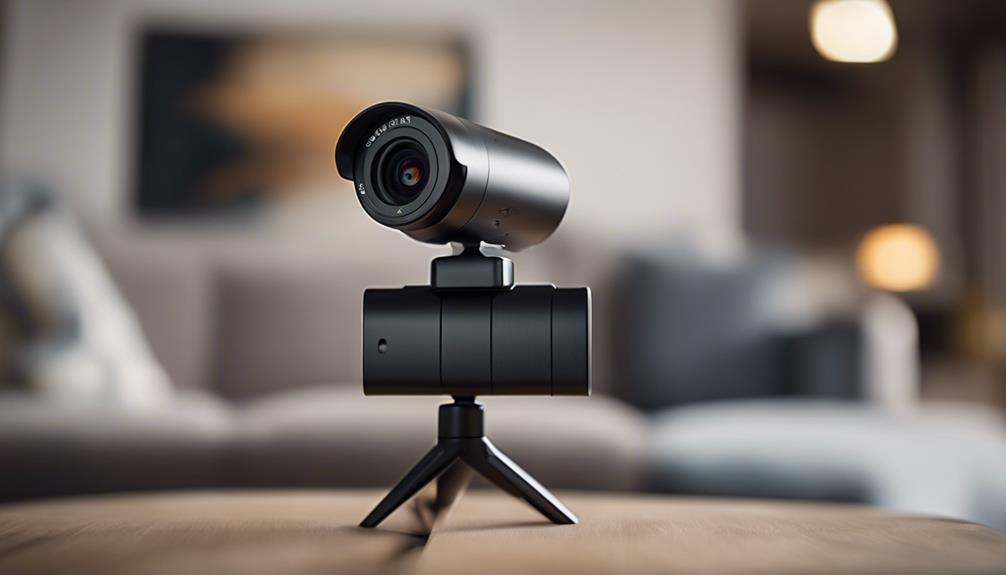

Wireless closed-circuit cameras provide video monitoring without requiring a dedicated data cable between every camera and the recording system. They can be used for homes, offices, temporary sites, and other locations where conventional cabling is difficult or undesirable. Depending on the model, footage may be sent over Wi-Fi, a radio connection, or a manufacturer-specific wireless network to a recorder, computer, mobile app, or cloud service.
Although these cameras transmit wirelessly, they still form a private surveillance system rather than a public broadcast. They may record locally, transmit video to another device, or use both methods. Choosing the right arrangement depends on the location, available power, network reliability, storage requirements, and the level of privacy appropriate for the setting.
Types of wireless closed-circuit cameras
Wireless cameras are available in several designs. Each is suited to a different type of installation:
- Dome cameras: These have a compact, low-profile housing and are commonly used indoors or in business environments.
- Bullet cameras: Their elongated shape is often selected for outdoor monitoring, particularly when a visible camera and directional view are useful.
- Compact or pinhole cameras: Small camera modules can be used where a less noticeable installation is necessary. Their use should always comply with applicable privacy and consent rules.
- Battery-powered cameras: These can be moved or installed where an outlet is unavailable, although recording duration depends on battery capacity and camera settings.
- Hybrid and solar-assisted models: Some systems combine wireless video transmission with alternative power arrangements for locations where regular electrical service is inconvenient.
Features vary widely. A camera may include motion detection, infrared night vision, pan and tilt controls, a microSD card slot, or remote viewing through an application. Some models can save footage locally while also sending selected events to a remote service, creating more than one way to access important recordings.
Where wireless cameras can be useful
For home security, a wireless system can monitor entrances, garages, driveways, and other areas without routing video cables through walls. This can be especially practical for renters or for short-term installations. In small businesses, cameras may help observe customer areas, document incidents, and monitor entrances or stockrooms.
Wireless systems are also useful at construction locations, temporary events, remote buildings, and other sites where installing permanent cable runs would be expensive or impractical. Their portability makes repositioning easier, but temporary or investigative use still requires a lawful purpose and careful attention to the privacy of anyone being recorded.
Installation and connectivity considerations
Removing the video cable does not remove every installation requirement. Most wireless cameras still need continuous power from an outlet, while battery-powered units require regular charging or replacement. A camera that records constantly may use power more quickly than one configured to capture motion-triggered events.
Wireless performance depends on distance, walls, interference, router capacity, and the amount of video being transmitted. High-resolution footage can place greater demands on a network and may introduce delays when the connection is weak. Before final installation, test the camera from its intended position and confirm that it can maintain a stable connection.
For more reliable operation:
- Position the camera within dependable wireless range rather than relying only on the signal shown during setup.
- Check whether the planned location has a suitable power source.
- Use motion-triggered recording or scheduled recording when continuous capture is unnecessary.
- Decide whether local storage, remote storage, or both are appropriate.
- Verify that the field of view captures the required area without unnecessarily recording neighboring property or private spaces.
Storage and security
Local storage, such as a memory card, keeps recordings on or near the camera and may avoid an ongoing service fee. However, footage could be lost if the device is damaged, removed, or discovered by an intruder. Cloud or remote storage can preserve recordings away from the camera, but it may depend on an internet connection and may involve subscription costs.
Protect the system as carefully as the footage itself. Replace default passwords, use a strong unique password, enable two-factor authentication when available, and keep the camera, application, router, and recorder updated. Encryption and secure remote-access settings can reduce the risk of unauthorized viewing. Limit account access to people who genuinely need it.
Legal and ethical responsibilities
Privacy rules differ by jurisdiction, and the use of concealed cameras can create additional legal risks. Areas such as bathrooms, changing rooms, and private bedrooms generally require particular caution because people may have a strong expectation of privacy. Audio recording can also be regulated separately from video and may require consent from the people being recorded.
Use cameras only for a legitimate, clearly defined purpose, and avoid collecting more footage than necessary. Where appropriate, provide notice that recording is taking place and establish a retention period for deleting footage that is no longer needed. If a situation involves employees, tenants, guests, or investigative work, obtain qualified local legal advice before installation.
Choosing a suitable system
Start with the area to be monitored and the type of evidence or observation required. Outdoor installations may need weather-resistant construction, night vision, and dependable range. Indoor systems may place greater emphasis on compact design, privacy controls, and flexible storage. Also consider image detail, viewing angle, battery life, motion detection, remote access, and compatibility with any existing security equipment.
A wireless closed-circuit camera can simplify installation and make monitoring more adaptable, but it is not automatically secure, private, or maintenance-free. Careful placement, reliable power and connectivity, strong account protection, and respect for recording laws are essential to using the technology responsibly.