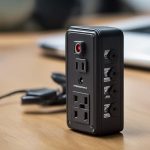

Portable security cameras are useful when a permanent installation is unnecessary, impractical, or too restrictive. A compact camera can be moved between rooms, vehicles, properties, and temporary work areas without rewiring the location. This makes portable systems suitable for short-term rentals, vacation homes, construction sites, pop-up retail spaces, pet monitoring, and other situations that require temporary observation.
Some people also choose small or discreet cameras when a visible device could affect behavior or interfere with the setting. However, discreet placement should never override privacy, consent, or applicable surveillance laws. The best portable camera is one that provides the coverage you need while being deployed responsibly.
Why choose a portable security camera?
Fixed security systems can provide excellent coverage, but they usually require installation, a stable power supply, and a permanent camera position. Portable models offer a more adaptable alternative. Depending on the device, they may operate from a rechargeable battery, connect over Wi-Fi, and record without a complicated installation process.
- Flexible placement: Move the camera from one area or property to another as monitoring needs change.
- Temporary coverage: Monitor a rental property, event, worksite, or temporary retail space without installing permanent equipment.
- Reduced installation requirements: Battery power and wireless connectivity can be useful where mains power or network cabling is unavailable.
- Remote access: Compatible devices may send alerts or video to a mobile app or remote service.
- Local recording: Some cameras support onboard microSD storage, which can provide an alternative when an internet connection is unreliable.
Common uses for portable surveillance
Portable cameras can support a wide range of legitimate monitoring tasks. A property owner may use one to check a shared entrance or document damage in a communal area. A parent may want to check on a child’s surroundings, while a pet owner may use a camera to observe an animal’s behavior when away from home. Businesses may deploy temporary cameras at inventory areas, market stalls, or pop-up locations.
Vehicle monitoring and outdoor observation are other possible uses, provided the camera is installed securely and used in accordance with local law. In some professional or investigative situations, a discreet camera may be considered where a visible camera would compromise safety or change the behavior being observed. These situations require particular care around consent, data handling, and the rights of anyone recorded.
How a portable camera system works
A typical portable surveillance system combines a small camera, a power source, and a method for storing or transmitting video. Wireless models may connect to a smartphone application or cloud service, while standalone devices can save footage to internal or removable storage.
Features vary by model, but commonly include motion detection, infrared night vision, two-way audio, and remote viewing. Battery life depends on factors such as recording frequency, wireless use, night vision, and motion activity. Power-saving settings can extend operation, while some devices may support solar charging for suitable outdoor deployments. Before relying on a camera for an unattended location, test its battery duration, connection, and recording settings under realistic conditions.
What to consider when choosing a portable camera
Image quality and coverage
Choose a resolution and field of view that match the area being monitored. A wide view can cover more space, while a narrower view may provide greater detail at a particular doorway or activity zone. If identifying people or reading vehicle details matters, test the camera at the expected distance rather than judging image quality from specifications alone.
Power and storage
Review battery capacity, charging arrangements, standby behavior, and any low-power modes. Decide whether you need cloud storage, local microSD recording, or both. Local storage can remain available during an internet outage, while remote storage may be useful if the camera or memory card is damaged or removed.
Connectivity and security
Wireless performance depends on the network and the camera’s location. Select a model that suits the available connection and look for account protection, encrypted communications, secure storage, and firmware updates. Change default passwords and limit access to people who genuinely need to view the footage.
Location and durability
For outdoor or vehicle use, consider weather protection, vibration resistance, mounting security, and glare. A camera intended for indoor use may not withstand rain, temperature changes, or movement. Confirm that the lens will remain unobstructed and that the device cannot easily fall, overheat, or be tampered with.
Placement and operating tips
Position the camera with a clear view of the relevant entrance, walkway, room, or activity area. Test daytime and low-light performance before depending on the footage. Avoid pointing cameras into neighboring properties or areas where people reasonably expect privacy. Check battery levels and recording status regularly, and retrieve local recordings on a schedule if they are not backed up remotely.
Discreet placement can reduce distraction, but it should not be used to justify recording private spaces. Never place a camera in bathrooms, locker rooms, or private bedrooms, and do not assume that a hidden device is lawful simply because it is small. Audio recording may be subject to separate consent rules.
Legal and ethical responsibilities
Surveillance laws differ by location and may depend on where the camera is placed, who is recorded, whether audio is captured, and how footage is shared. Before deployment, research the rules that apply to your home, workplace, rental property, or vehicle. Where appropriate, use visible notices, clear policies, and consent.
Store recordings securely, restrict access, and retain footage only for as long as there is a legitimate reason to keep it. Used thoughtfully, a portable security camera can provide targeted, temporary monitoring without the cost and commitment of a permanent system.