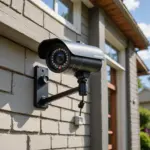

Finding the right outside cameras for sale starts with understanding how and where you plan to use them. A camera for a front door may have different requirements from one monitoring a large driveway, a business parking area, or a remote section of a property. Comparing power options, image quality, storage, weather resistance, and privacy features can help you choose a system that is practical and reliable.
Why install an outdoor camera?
Outdoor cameras can help you keep an eye on entrances, driveways, gardens, parking areas, and other exterior spaces. A visible camera may discourage opportunistic trespassing, while recorded footage can help document activity around a property. Many models also send motion alerts to a phone, allowing you to check what is happening without being on site.
For homes, outdoor surveillance can improve awareness around front and back doors, garages, and walkways. Property managers may use cameras to monitor shared exterior areas, while businesses often need coverage around storefronts, loading zones, and parking facilities. Cameras can also be useful for observing wildlife or recording outdoor projects, provided they are installed and used responsibly.
Types of outside cameras
Wired cameras
Wired cameras receive power and transmit data through physical connections. They are often a good choice for fixed locations where dependable power and continuous monitoring are important. Installation may be more involved, particularly when cables must pass through walls or across outdoor areas, but a wired setup does not depend on a wireless signal at the camera.
Wi-Fi cameras
Wireless network cameras are generally easier to position and can be a convenient option for homes and small properties. They require a strong, stable Wi-Fi connection, and the camera still needs a suitable power source unless it includes a battery. Check the intended mounting location before buying to make sure the network signal reaches it reliably.
Battery-powered cameras
Battery models offer greater placement flexibility, especially where running cable is difficult. Their main trade-off is maintenance: batteries need to be recharged or replaced, and frequent motion activity may reduce the time between charges. Consider how accessible the camera will be when planning its installation.
Features to compare before buying
- Resolution: Higher resolution can make faces, packages, vehicles, and other details easier to distinguish. Choose a level appropriate for the distance and area being monitored.
- Field of view: A wide-angle lens covers more space, but distant subjects may appear smaller and some wide views can introduce distortion.
- Night performance: Infrared night vision supports recording in darkness. Some cameras offer color images in low light, but results depend on available illumination.
- Motion detection: Adjustable detection zones and activity alerts can reduce unnecessary notifications from passing vehicles, trees, or other movement.
- Storage: Options may include a microSD card, network storage, or cloud recording. Compare ongoing subscription costs, storage capacity, and how easily footage can be accessed.
- Weather resistance: Look for a housing and mounting system intended for outdoor use. Ratings such as IP65 or IP67 can help indicate resistance to dust and water, but installation still needs to protect cables and power connections.
- App and account security: Review whether the manufacturer provides firmware updates, secure account access, and two-factor authentication.
Choosing cameras for common locations
At an entrance, prioritize clear images of visitors and packages, along with a viewing angle that includes the approach to the door. A driveway camera may need a longer usable viewing distance and good low-light performance. For a backyard or side passage, weather protection, motion zones, and a suitable field of view may matter more than maximum resolution.
When monitoring a large property, several cameras positioned for overlapping coverage may be more effective than relying on one very wide-angle camera. For a rental property or shared building, limit coverage to appropriate outdoor areas and avoid views into private rooms, windows, or neighboring property.
Where to find outside cameras for sale
Local electronics retailers and security specialists can let you compare models in person and ask about installation, returns, warranties, and technical support. Manufacturer websites and online marketplaces may offer a broader selection, while authorized dealers can be useful when you need help with a larger system.
Be careful with unusually cheap cameras that have unclear software support, vague privacy policies, or no information about firmware updates. Before buying, check the total cost of ownership, including accessories, replacement batteries, storage cards, and any required cloud plan. If possible, review the camera app and notification settings before committing to a system.
Installation, privacy, and legal responsibilities
Mount outdoor cameras high enough to discourage tampering, but not so high that faces become difficult to identify. Aim them away from direct sunlight and strong light sources that can wash out images. Use outdoor-rated mounts, cables, and power accessories, and make sure water cannot enter connection points.
Privacy and recording rules differ by location. Audio recording may be restricted in some jurisdictions, and cameras should not be directed toward areas where neighbors or visitors reasonably expect privacy. Hidden or covert cameras can create additional legal and ethical concerns, particularly when recording people without their knowledge. Check local requirements before installing any camera, especially one with audio or concealed placement.
Make the purchase fit the property
The best outside cameras for sale are not necessarily the most expensive models. Start by mapping the areas that need coverage, then choose the power method, image quality, storage, and alerts that match those locations. A weather-resistant camera with dependable connectivity, secure software, and suitable support will usually be more useful than a feature-heavy model that is difficult to install or maintain.