
General spy cameras are compact surveillance devices designed to record video, and in some cases audio, without drawing attention. They may be used as part of a home security plan, for monitoring a small business, or to document incidents. Because discreet recording can affect other people’s privacy, choosing and using one requires more than comparing image quality or battery life.
What Is a General Spy Camera?
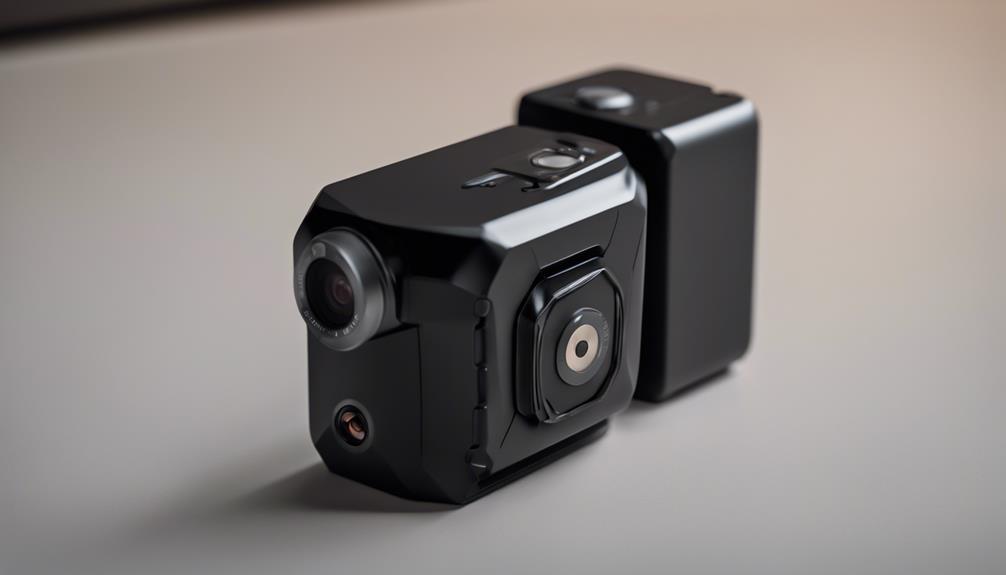
A general spy camera is typically smaller and less noticeable than a conventional security camera. Some use a pinhole lens or are built into everyday items, while others are small standalone modules that can be placed out of sight. Common designs include cameras incorporated into clocks, USB chargers, smoke-detector-style housings, pens, or portable body-worn devices.
Some models record locally to a microSD card. Others connect to Wi-Fi, allowing a user to view a live feed or receive motion alerts through a smartphone app. The best option depends on whether the priority is continuous recording, occasional checks, portability, or remote access.
Features to Compare
Specifications can vary considerably, so begin with the conditions in which the camera will operate rather than choosing solely by appearance.
- Video resolution: Higher resolution can make faces, objects, and other details easier to identify, provided the lens and lighting are also suitable.
- Low-light performance: Night vision or infrared capability may help when the monitored area is dark.
- Motion detection: Recording only when movement occurs can reduce storage use and extend battery life.
- Field of view: A wider angle covers more of a room, although it may introduce distortion at the edges.
- Power source: Battery operation is convenient for portable use, while mains power is generally more suitable for long monitoring periods.
- Storage: Local memory provides offline recording, while cloud services may support remote access but require attention to account security and retention policies.
- Connectivity and software: For Wi-Fi models, consider connection reliability, app usability, account protections, and available security controls.
- Audio recording: Microphones can introduce additional legal and privacy obligations, so do not assume that recording sound is permitted simply because video recording is available.
Common, Legitimate Uses
Discreet cameras can serve practical purposes when they are used lawfully and with appropriate respect for the people being recorded. Examples include supplementing a home security system, checking on pets while away, monitoring an elderly family member for safety concerns, or verifying that a child is receiving appropriate care. In a small business, a camera may help document incidents, support loss-prevention efforts, or improve safety monitoring.
They may also be used to document events connected with an insurance claim or a tenant dispute. In these situations, footage should be collected and stored carefully, and the user should confirm that the proposed recording method is lawful in the relevant location.
Privacy, Consent, and Legal Boundaries
Surveillance laws differ by country, state, and local jurisdiction. Recording people in areas where they reasonably expect privacy, such as bathrooms or changing rooms, is generally prohibited or highly restricted. Audio can be especially sensitive because consent requirements for private conversations vary widely.
Before installing a camera, check applicable privacy, recording, employment, rental, and wiretapping rules. Where practical, informing household members, workers, caregivers, or visitors is the clearest way to reduce misunderstandings and disputes. A legal professional can provide advice for situations involving ongoing monitoring, employees, tenants, or recorded conversations.
Installation and Positioning
Start by defining what the camera needs to observe. Position it so the lens has an unobstructed view and avoid direct glare, strong backlighting, or locations where normal activity could easily block the image. A wider view may be useful for a room, while a narrower view can provide more detail in a specific area.
Concealment should never require placing a device in a dangerous location or altering electrical equipment improperly. If audio is not necessary, disabling the microphone can reduce privacy risks. Test the camera during both daytime and low-light conditions before relying on it, and confirm that motion alerts, timestamps, and storage work as expected.
Protecting Recorded Footage
Video from a discreet camera should be treated as sensitive personal data. Use a strong, unique password for the camera account and enable two-factor authentication if the service offers it. Keep the camera’s app and firmware updated, and secure the Wi-Fi network used for remote access.
If recordings are stored in the cloud, review the provider’s privacy and retention practices. For local storage, protect memory cards and limit access to people who genuinely need it. Delete footage when it is no longer needed, and avoid sharing recordings publicly unless there is a clear lawful reason to do so.
Choosing the Right Approach
The most suitable camera is the one that matches the intended use without collecting more information than necessary. Battery-powered motion recording may work for occasional checks, while a mains-powered device may be better for extended monitoring. In shared spaces, a visible security camera or another transparent security measure may offer a better balance between safety and privacy.
Used carefully, general spy cameras can support security and incident documentation. Their value depends not only on resolution or concealment, but also on lawful placement, secure handling of footage, and respect for everyone who may be recorded.