
A professional CCTV system can help a business protect property, investigate incidents, improve workplace safety, and gain a clearer view of day-to-day operations. The right solution is more than a collection of cameras. It combines suitable hardware, dependable recording, secure network design, sensible camera placement, and policies that respect privacy.
Retailers, offices, warehouses, and other commercial sites have different surveillance requirements. A successful installation begins by identifying the risks and activities that need to be monitored, then selecting equipment and services that match the environment.
Why businesses choose professional CCTV
Commercial surveillance systems are designed for continuous use and typically offer capabilities that may not be available in basic consumer equipment. Depending on the installation, a professional system may provide:
- Higher-resolution video for identifying people, vehicles, products, and events
- Reliable recording across multiple cameras and locations
- Remote access through a central video management platform
- Integration with alarms, access control, and other security systems
- Expandable storage and camera capacity as the business grows
- Support, maintenance, and replacement services from an experienced provider
These features can support loss prevention and incident response while also helping managers review safety issues, restricted-area access, or operational problems. The value of the system depends on thoughtful planning rather than on choosing the most expensive camera available.
Choosing cameras and essential features
Camera type and connectivity
IP cameras are commonly selected for commercial installations because they transmit video over a network and can be managed centrally. Power over Ethernet, or PoE, may simplify cabling by allowing compatible network cables to carry both power and data. The network should still be designed securely, with appropriate access controls and protection for connected devices.
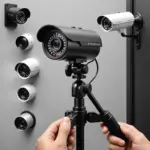
Camera selection should reflect the location. Wide-angle models may suit open areas, while more focused views can monitor entrances, tills, loading bays, or storage rooms. A site survey helps determine viewing angles, mounting positions, lighting conditions, and potential blind spots before equipment is purchased.
Low-light performance and image quality
Warehouses, exterior areas, and sites operating after dark may require infrared night vision or cameras with strong low-light performance. Check the claimed infrared range against the actual distance that must be covered, and consider whether nearby surfaces could reflect infrared light back into the lens.
Retail entrances and offices with bright windows can benefit from wide dynamic range, which helps a camera handle significant differences between bright and dark areas. Resolution matters, but it should be considered alongside lens choice, lighting, compression, storage capacity, and the distance between the camera and the subject.
Planning a business CCTV installation
Professional installation starts with a documented assessment of the site. The installer should understand which areas are most important, how footage will be reviewed, and how the system will connect to the business network. Camera placement should capture useful sightlines without recording more of a person’s activities than necessary.
When comparing installers or CCTV providers, ask for details about:
- Experience with similar retail, office, warehouse, or industrial environments
- Camera placement, cable routing, power, and network requirements
- Recording duration and storage expansion options
- System security, user permissions, and remote-access controls
- Warranty coverage, maintenance, repairs, and software support
- Training for staff who monitor footage or export evidence
A professional handover should include system documentation, user instructions, and a clear explanation of how to retrieve recordings. Staff should know how to respond to alerts and preserve relevant footage without altering or unnecessarily distributing it.
Using analytics and integrations responsibly
Video management software can add functions such as motion alerts, unauthorized-access notifications, people counting, queue monitoring, or activity analysis. These tools can assist security and operations teams, but they should be configured around genuine business needs. Excessive alerts can overwhelm staff and reduce the usefulness of the system.
Integration with access control or alarm systems can provide a more coordinated response to incidents. Before enabling integrations, define who receives alerts, how events are escalated, and how long related footage should be retained.
Hidden cameras and privacy considerations
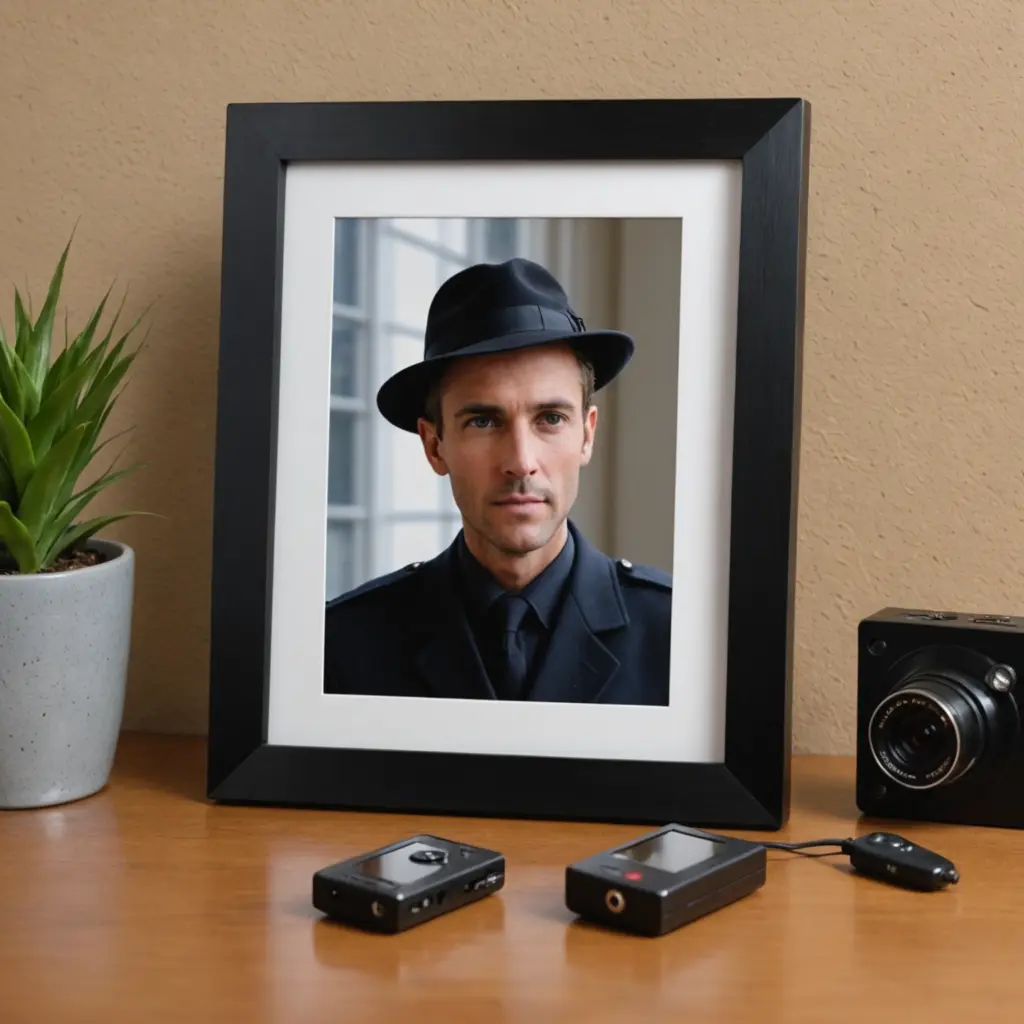
Concealed cameras are particularly sensitive and should not be treated as a routine substitute for visible surveillance. If a hidden-camera application is considered, the business should have a specific, documented justification and obtain appropriate legal advice. Employees and visitors should not be recorded in places where they reasonably expect privacy, including restrooms and changing areas.
Businesses should establish written policies covering notice, access to footage, retention, disclosure, and any exceptional use of concealed devices. Privacy obligations vary by location, so a qualified adviser should review the proposed system and its operating procedures before deployment.
Maintaining the system over time
Regular maintenance helps prevent avoidable gaps in coverage. Check lenses and housings, confirm that cameras are recording correctly, review storage capacity, apply available firmware updates, and test alerts and backup procedures. Access permissions should also be reviewed periodically, particularly when staff roles change.
With suitable equipment, careful installation, clear privacy policies, and ongoing support, a professional CCTV system can become a dependable part of a broader business security plan. The best solution is one that records the areas that matter, protects the footage, and remains practical for authorised staff to manage.