
Effective security camera installation involves much more than attaching cameras to walls. The system must provide useful coverage, produce clear footage, protect recorded information, and comply with applicable privacy requirements. Whether you are securing a home, retail location, office, warehouse, or larger property, professional planning and installation can help prevent blind spots and improve system reliability.
Why professional installation matters
Camera placement affects what the system can actually capture. A professional installer evaluates entrances, exits, registers, loading areas, parking lots, lighting conditions, possible obstructions, and locations where equipment could be tampered with. The installer also considers available power, network capacity, cabling routes, and storage requirements.
For businesses, properly positioned cameras can support loss prevention and provide clearer evidence when an incident occurs. For homes, outdoor cameras need suitable mounting, weather resistance, useful night-time visibility, and protection from accidental damage or tampering. In both settings, careful installation is intended to reduce unreliable footage, unnecessary alerts, and areas that remain unmonitored.
Planning a security camera system
A reputable security camera installation company should begin with a site survey and a discussion of your objectives. The right equipment depends on the property and the type of activity you need to observe. A system may include a combination of:
- Fixed cameras for entrances, hallways, registers, and other defined viewpoints.
- Pan-tilt-zoom cameras for larger areas such as lots or expansive facilities.
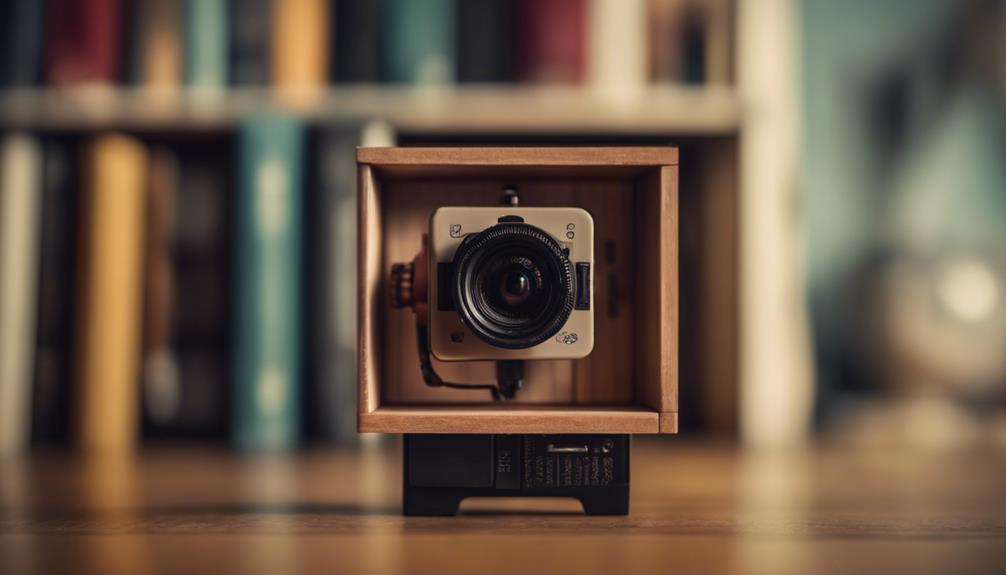
- Small-form-factor cameras where a less prominent design is appropriate.
- Outdoor cameras designed for exposure to weather and potential tampering.
- Networked cameras connected through appropriate cabling, switches, and recording equipment.
The planning process should also cover image quality, lighting, motion detection, remote viewing, video retention, and whether local or cloud-based storage is suitable. A written scope of work can make the proposal easier to compare by identifying camera locations, included equipment, storage arrangements, analytics, labor, and ongoing service costs.
Responsible use of discreet and hidden cameras
Discreet cameras may be considered for limited investigative or safety-related purposes, such as documenting suspected theft, fraud, vandalism, or caregiver conduct. They should not be treated as a way to avoid legal or ethical responsibilities. A camera that is physically small or concealed still records people who may have privacy rights.
Never place surveillance equipment in areas where people reasonably expect privacy, including bathrooms and changing rooms. Rules concerning video, audio recording, consent, employee monitoring, and required notices vary by location. Businesses should establish a clear surveillance policy, and homeowners should consider the privacy of family members, guests, tenants, and household workers. Before using a covert system, obtain advice from qualified legal counsel when the requirements are unclear.
What a professional installation includes
Installation commonly includes mounting cameras, routing and securing cables, connecting network equipment, configuring recording devices, and setting up authorized remote access. The installer should adjust each camera for useful sightlines and account for glare, shadows, and low-light conditions. Testing should confirm that cameras record properly, footage can be retrieved, and alerts or mobile viewing work as intended.
Security also extends to the network and recorded footage. Good practices may include changing default passwords, limiting account access, separating camera traffic from other network activity, and applying available firmware updates. These measures are especially important when footage contains sensitive information or can be viewed remotely.
Choosing a camera installation provider
When comparing CCTV installers or video surveillance companies, ask about their experience with systems like the one you need. A provider should be able to explain equipment choices in plain language and provide a detailed proposal rather than offering only a broad package price.
- Does the company carry appropriate insurance and provide references?
- Will it perform a site survey before recommending equipment?
- What are the differences between hardware, labor, storage, and service costs?
- How will the system be secured against unauthorized access?
- What warranties, maintenance plans, and support options are available?
- How will privacy notices, workplace policies, or other compliance concerns be addressed?
Maintenance after installation
A camera system needs periodic attention after it is installed. Lenses can become dirty, mounts can loosen, network equipment can change, and recordings should be checked to ensure they remain usable. Regular reviews should include camera alignment, image quality, recording status, storage capacity, remote access, and alert behavior.
Ask whether the provider offers ongoing maintenance or managed services. A documented service plan can help identify problems before an incident occurs and can clarify who is responsible for system updates, repairs, and user support.
Build a system around safety and accountability
Professional security camera installation combines site planning, dependable equipment, secure configuration, and responsible surveillance practices. The strongest solution is not necessarily the one with the most cameras. It is the one that provides meaningful coverage, protects recorded information, respects privacy, and can be maintained over time.