
A battery-powered indoor camera can be useful when you need flexible placement without running a cable to a wall outlet. The Ring Indoor Cam Battery is suited to temporary or movable installations, including entryways, living areas, pet spaces, and other locations where permanent wiring is inconvenient. Its practical value depends on more than the camera itself: battery life, Wi-Fi quality, motion settings, and responsible placement all affect the experience.
What affects battery life?
There is no single runtime that applies to every household. How long the battery lasts depends largely on how often the camera detects movement and how frequently you use features such as Live View. Other factors include recording length, video quality, Wi-Fi signal strength, firmware, and the number of alerts generated.
A camera facing a busy hallway may record far more often than one watching a quiet room. Weak Wi-Fi can also contribute to higher power use because the camera may need to work harder to maintain its connection. Check the battery level regularly in the Ring app, particularly if the camera is responsible for monitoring an important area.
How to extend Ring Indoor Cam Battery runtime
The most effective improvements usually come from reducing unnecessary activity rather than simply lowering every setting. Start by placing the camera so it covers the area that matters without pointing toward constant movement, such as a busy window, air vent, or frequently used doorway.
- Adjust motion sensitivity so routine activity does not create excessive recordings.
- Use motion zones to focus detection on entrances, walkways, or other priority areas.
- Shorten recording duration where longer clips are not needed.
- Limit Live View use when continuous viewing is unnecessary.
- Choose an appropriate video-quality setting if the app and model provide that option.
- Improve the camera’s connection by reducing distance from the router or addressing obstructions.
- Install firmware updates and review settings after an update, since configuration changes can affect power consumption.
These adjustments can help reduce false alerts while preserving useful coverage. Avoid making the detection area so narrow that important activity is missed.
Placement ideas for indoor monitoring
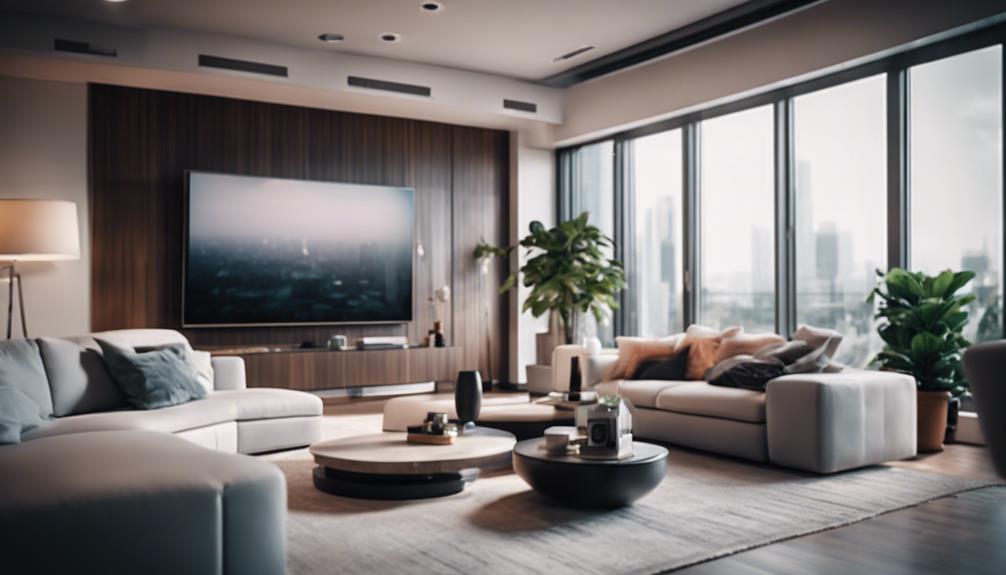
Battery operation makes it easier to position the camera where wiring would be awkward. Near a main entrance, a suitable angle can help cover the approach and surrounding area. In a living space, a higher position may provide a broader view and reduce obstructions. For pets, aim at the room or doorway they use most often rather than an area with constant background movement.
Place the camera close enough to the area of interest for a clear view, but do not hide it in a way that creates privacy or safety concerns. Avoid locations where the camera could be knocked down, exposed to moisture, or obstructed by furniture. Before fixing the final position, test the view at different times of day and confirm that the Wi-Fi connection remains reliable.
Charging and maintaining the camera
Plan battery maintenance around the importance of the location being monitored. For a low-priority room, charging when the level becomes low may be sufficient. For an entryway or another area that needs consistent coverage, keeping a charged spare battery available can reduce downtime if the device supports a replaceable battery pack.
Use the Ring app to monitor charge levels and enable available low-battery notifications. When charging, follow the instructions supplied for the specific camera and battery. If regularly removing the camera to charge it becomes inconvenient, a wired power arrangement may be more practical, provided the installation is compatible with the device.
Privacy, consent, and responsible use
Indoor monitoring requires particular care because people may reasonably expect privacy inside a home. Do not place cameras in bathrooms, changing areas, or private bedrooms where recording would be inappropriate or unlawful. Household members, guests, caregivers, and other regular visitors should be informed when cameras are used, especially where audio recording is involved.
Laws governing surveillance, consent, audio recording, and monitoring of employees or caregivers vary by location. Before using a camera in a sensitive situation, check the rules that apply where you live and obtain consent when required. Responsible placement also means limiting the view to the area you genuinely need to monitor and protecting access to recorded footage.
Making the most of a battery-powered indoor camera
The Ring Indoor Cam Battery is most useful when its location and settings are planned together. A clear view, dependable Wi-Fi, focused motion zones, and a simple charging routine can provide more reliable coverage than maximum sensitivity or constant Live View. Combine those technical choices with transparent, privacy-conscious use so the camera supports home security without intruding on the people who share or visit the space.