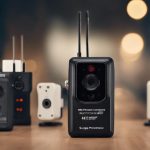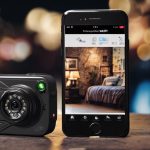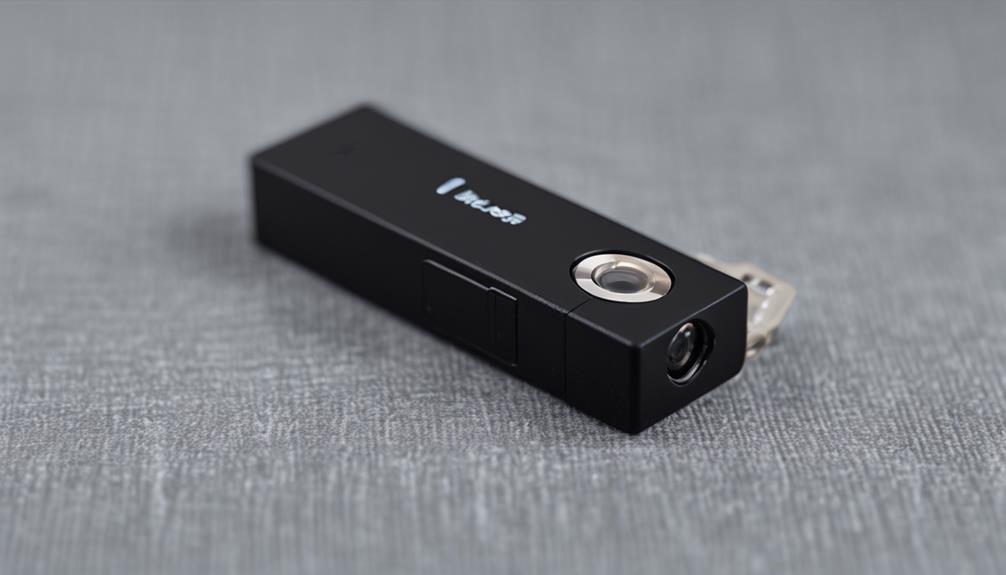

A security bulb camera combines a camera with the familiar form of a screw-in light bulb. Once installed in a compatible lamp or light socket, it can provide video monitoring without the need for a separate wall-mounted camera. Depending on the model, features may include Wi-Fi connectivity, motion alerts, night vision, panoramic coverage, audio, and smartphone access.
Its discreet appearance can be useful in some security setups, but it also makes responsible placement especially important. A bulb camera should be used for legitimate property protection, with clear attention to privacy, consent, and local surveillance laws.
How a security bulb camera works
Most bulb-style cameras contain a small camera module inside a housing designed to resemble an LED bulb. The device receives power from the socket and may connect to a home Wi-Fi network through a manufacturer’s mobile app. Depending on the product, footage may be viewed remotely, saved to a microSD card, or backed up through a cloud service.
Some models use a fixed viewing angle, while others are designed for broad or panoramic coverage. A so-called 360-degree bulb camera may use a fisheye lens or combine multiple views to cover more of a room or outdoor approach. Coverage is not always identical between models, so the camera’s viewing pattern and mounting position should be checked before installation.
Suitable uses for bulb-style security cameras
These cameras can supplement a broader security system in locations where a conventional camera would be difficult to install. Practical uses may include:
- Monitoring a porch, driveway, entryway, or garage approach.
- Observing common areas of a home or property, where surveillance is lawful and appropriately disclosed.
- Checking activity around deliveries or other outdoor access points.
- Supporting security in small businesses, entrances, or customer-facing areas.
- Keeping an eye on a playroom, pet area, or shared space when everyone who may be recorded has been properly informed.
A bulb camera should not be used to secretly record private spaces such as bathrooms, changing areas, or bedrooms. It is also unsuitable for covertly monitoring people who have not given consent where consent is required.
Features to compare before buying
Image coverage and low-light performance
Resolution affects how clearly people and events appear in recorded footage, while lens design determines how much of the surrounding area is visible. Night vision or other low-light capabilities can help when the light is dim, but performance depends on the environment and the camera’s design. Check whether the view is fixed, wide-angle, pan-and-tilt, or advertised as 360-degree coverage.
Recording and alerts
Motion-triggered recording can reduce unnecessary footage and send notifications when activity is detected. Continuous recording may be more suitable for locations where a complete record is needed, but it can require more storage and power. Review how clips are saved, how long they remain available, and whether recording settings can be adjusted.
Audio and communication
Some bulb cameras include a microphone and speaker for two-way communication. This may be useful for communicating with someone near an entrance, but audio recording can be subject to stricter consent rules than video. If audio is not necessary, consider disabling it.
Storage, connectivity, and compatibility
Local microSD storage can keep recordings within the camera, while cloud storage may provide off-site backup. Each approach has different privacy, cost, and access considerations. Confirm that the camera works with the available Wi-Fi network and that its app or smart-home integration is compatible with your existing devices.
Installing a bulb camera indoors or outdoors
Installation generally involves screwing the device into a compatible socket, connecting it to Wi-Fi through the associated app, and adjusting the fixture to cover the intended area. Place it so that the lens has a clear view and is not pointed directly toward a strong light source that could reduce image quality.
For exterior use, choose a model specifically designed for outdoor conditions. Review its weather-resistance information, including any stated IP rating, and consider whether the socket is protected by a covered fixture. A camera intended only for indoor use should not be exposed to rain, condensation, dust, or temperature extremes.
Privacy, legal, and ethical responsibilities
Surveillance rules vary by location. Before installing a camera, determine whether local law requires notice, signage, consent, or limits on recording in shared areas. Audio capture may have additional restrictions. In rental properties, workplaces, shared buildings, and short-term accommodations, disclose cameras as required and avoid recording areas where people reasonably expect privacy.
Even when a camera is technically hidden within an ordinary-looking fixture, responsible use means placing it openly enough—or providing suitable notice—that people are not misled about monitoring. Limit the camera’s view to the area that needs protection and avoid collecting more footage or audio than necessary.
Maintenance and troubleshooting
- Keep the lens and housing clean so dust does not reduce image quality.
- Install firmware updates provided through the manufacturer’s app.
- Check Wi-Fi strength at the socket, especially when the camera is installed outdoors or far from the router.
- Review microSD storage, overwrite settings, and cloud-retention options regularly.
- Test motion alerts, recording triggers, night vision, and remote access after installation.
- Change default account credentials and use available security controls to protect access to the camera.
A security bulb camera can be a convenient addition to a layered security plan when its coverage, storage, and environmental requirements match the location. Its discreet design should never replace clear privacy practices. Choose a suitable model, install it only in appropriate areas, follow applicable laws, and check its operation regularly.