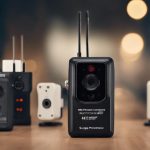

Remote-control spy cameras can provide convenient remote viewing, discreet monitoring, and faster awareness of activity in a home, office, or other permitted setting. Their effectiveness, however, depends on more than whether a camera can be controlled from a distance. Placement, image quality, access controls, operating policies, and compliance with privacy laws all influence whether the system is genuinely useful.
What Remote-Control Cameras Offer
A remote-control camera allows an authorised user to manage or view the device without being physically present. Depending on the system, this may include checking a live feed, changing the viewing direction, or reviewing recorded footage. Remote access can be useful when a property owner or manager needs to check conditions from another location or respond quickly to an issue.
This capability can support several legitimate objectives:
- Checking entrances, shared areas, or equipment when on-site supervision is not possible.
- Reviewing an incident and identifying when it occurred.
- Monitoring a child or dependent person in an appropriate, disclosed setting.
- Confirming that agreed workplace procedures are being followed in monitored areas.
- Providing an additional layer of awareness alongside physical security measures.
Security Benefits and Practical Limits
Remote viewing can improve situational awareness because an authorised user does not have to wait until returning to the premises to check what is happening. It may also support a quicker response when unusual activity is observed. In a business environment, cameras can help document events, clarify disputes, and reveal operational problems that are difficult to identify through occasional visits alone.
They are not a complete security solution. A camera may record an event without preventing it, and a remote feed is only useful when the device has power, an appropriate connection, and a person available to review it. Users should also consider blind spots, poor lighting, limited storage, and the possibility that footage may not clearly identify what happened. Cameras work best as one part of a broader security and supervision plan.
Discreet Design Requires Extra Care
Small or concealed cameras are often described as discreet because they can blend into their surroundings. That feature may be appropriate in limited, lawful situations where an overt camera would be impractical. It does not remove the need to respect privacy. Concealed monitoring can be especially intrusive when people do not know they are being recorded.
Cameras should never be placed in areas where people reasonably expect privacy, such as bathrooms, changing areas, or private sleeping spaces. Before installing any device, identify the specific purpose, limit the field of view to what is necessary, and consider whether a visible camera or another security measure would achieve the same result with less intrusion.
Employee Monitoring and Privacy
Using remote-control cameras to evaluate employee productivity requires particular caution. Video may show presence or activity, but it does not automatically explain the quality of work, workload, interruptions, or other relevant circumstances. Constant observation can also damage trust and morale if employees are not given clear information about the arrangement.
A responsible workplace policy should explain:
- Why cameras are being used and which areas are covered.
- Whether footage is viewed live, recorded, or both.
- Who can access recordings and under what circumstances.
- How long footage is retained and how it is securely deleted.
- How employees can raise questions or concerns.
Productivity decisions should not rely on camera footage alone. If monitoring is necessary, it should be proportionate to a defined business purpose and implemented consistently.
Legal and Ethical Responsibilities
Surveillance rules vary by location and by setting. Requirements may address notice, consent, audio recording, workplace monitoring, data protection, and access to recorded information. Before using a remote-control spy camera, obtain appropriate legal guidance for the relevant jurisdiction and check any organisational policies that apply.
Even where recording may be legally permitted, ethical use still matters. Tell affected people what is being monitored when appropriate, avoid collecting more footage than necessary, protect accounts with strong access controls, and do not share recordings casually. Remote access increases convenience, but it also makes account security especially important.
How to Judge Effectiveness
The right question is not simply whether a camera is hidden or remotely controlled. Consider whether it produces useful information for a legitimate purpose without creating disproportionate privacy risks. A suitable system should offer a clear view of the relevant area, dependable access, manageable storage, and a documented process for responding to what the footage shows.
When selected and used responsibly, remote-control cameras can improve oversight and provide reassurance in appropriate environments. Their value comes from thoughtful placement, transparent policies, secure handling of footage, and realistic expectations—not from covert monitoring alone.