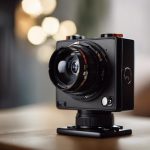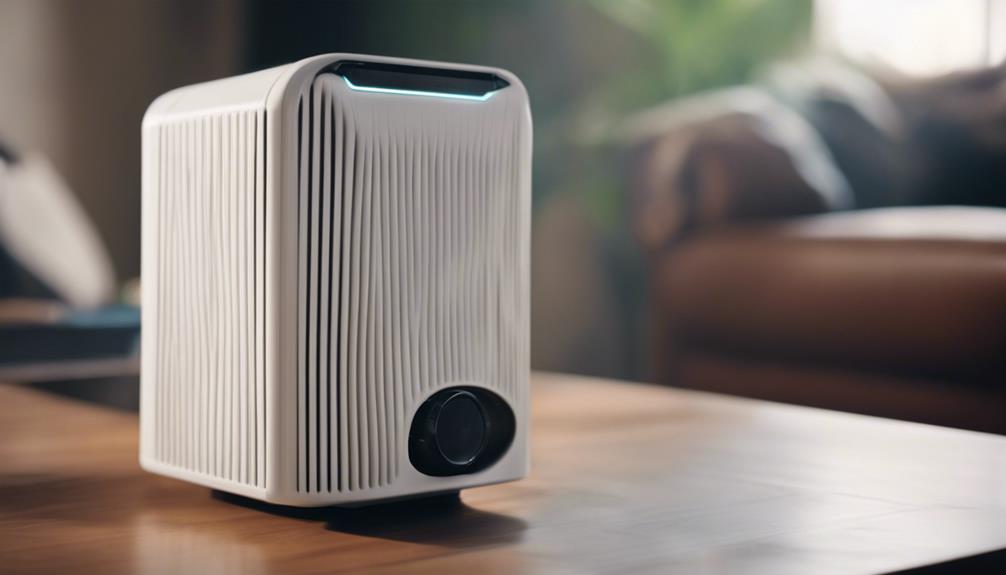

An air purifier spy camera is a surveillance camera built into, or designed to resemble, an air purifier. Its housing is intended to blend into an ordinary room, while a concealed lens records video from behind an opening in the device. Depending on the model, it may also include motion detection, local storage, night vision, or remote viewing.
Although these products are marketed as discreet monitoring tools, their use requires particular care. A camera hidden inside a familiar household object can record people without their knowledge, creating serious privacy and legal concerns. The safest approach is to use this type of device only where surveillance is permitted, with appropriate notice and consent.
How an Air Purifier Camera Works
The camera is positioned inside the purifier’s enclosure, usually behind a small aperture that allows the lens to capture video. The purifier-like exterior helps the device fit into a living room, office, or other indoor setting without looking like conventional security equipment.
Common functions vary by product. Some units can record continuously, while others begin recording when their motion sensor detects activity. A model may save footage to internal or removable storage, or provide access through an app or network connection. Features should be verified in the manufacturer’s specifications rather than assumed from the product’s appearance.
Features to Compare
If you are evaluating one of these devices for a lawful, clearly defined monitoring purpose, compare the following specifications:
- Video resolution: Higher resolution can make recorded details easier to identify, although image quality also depends on lighting and lens design.
- Viewing angle: A wider lens can cover more of a room, but may introduce distortion at the edges.
- Low-light performance: Night vision or other low-light support may be useful when the monitored area is dim.
- Motion detection: Motion-triggered recording can reduce unnecessary footage and storage use.
- Storage options: Check whether recordings are saved locally, uploaded to a service, or accessible only through a particular application.
- Remote access: If live viewing is available, review how accounts, passwords, and connections are secured.
- Actual purification function: Some products may prioritize the concealed camera over air-cleaning performance. Confirm whether the device genuinely meets your air-purification needs.
Installation and Placement
Follow the product instructions for power, network setup, storage, and software configuration. Before relying on the camera, test the live view and recordings in both normal and low-light conditions. Make sure the lens opening is not blocked by furniture, decorations, or the purifier’s own housing.
Placement should provide a useful view without invading private areas. Avoid bathrooms, changing areas, bedrooms used by guests, and any location where people would reasonably expect privacy. Do not place the device where it could record sensitive conversations or personal information unnecessarily. If monitoring is appropriate in a workplace or shared home, position the device openly or provide clear notice instead of relying on concealment.
Privacy and Legal Responsibilities
Surveillance laws differ by location and may regulate both video and audio recording. Audio can be especially sensitive, and a device that records sound may be subject to consent requirements even when video recording is allowed. Rules can also vary between private homes, rental properties, workplaces, and public areas.
Before using an air purifier camera, consider whether you have the authority to monitor the space and whether everyone who may be recorded has been informed. Never use a hidden camera to monitor intimate areas, secretly record visitors, or spy on employees, caregivers, partners, tenants, or household members. When the legal position is unclear, obtain advice from a qualified local professional.
Appropriate Uses and Safer Alternatives
A visible indoor security camera, a doorbell camera, or a standard monitoring system is often a better choice because its purpose is clear. These options can provide security monitoring without making concealment the central feature. For homes, offices, or care settings, transparent policies and agreed recording areas help protect both safety and privacy.
A concealed camera may be considered only for a legitimate purpose that complies with applicable law and respects the rights of everyone in the space. Keep access limited, protect stored footage with strong credentials, retain recordings only as long as necessary, and delete them securely when they are no longer needed.
Final Considerations
An air purifier spy camera combines an ordinary-looking enclosure with camera functions such as video recording and, on some models, motion detection or remote viewing. Its discreet design may seem convenient, but it also increases the risk of secret or unlawful surveillance. Evaluate the technical features carefully, confirm whether it actually purifies air, and make privacy, consent, and local legal requirements part of the decision from the beginning.