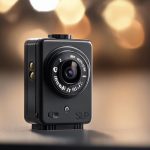

Bathrooms are private spaces, and finding an unfamiliar device or noticing something unusual can be deeply unsettling. A careful, methodical inspection can help you identify signs of a concealed camera without jumping to conclusions. Use several checks together, since no single method can detect every type of device.
1. Inspect the room visually
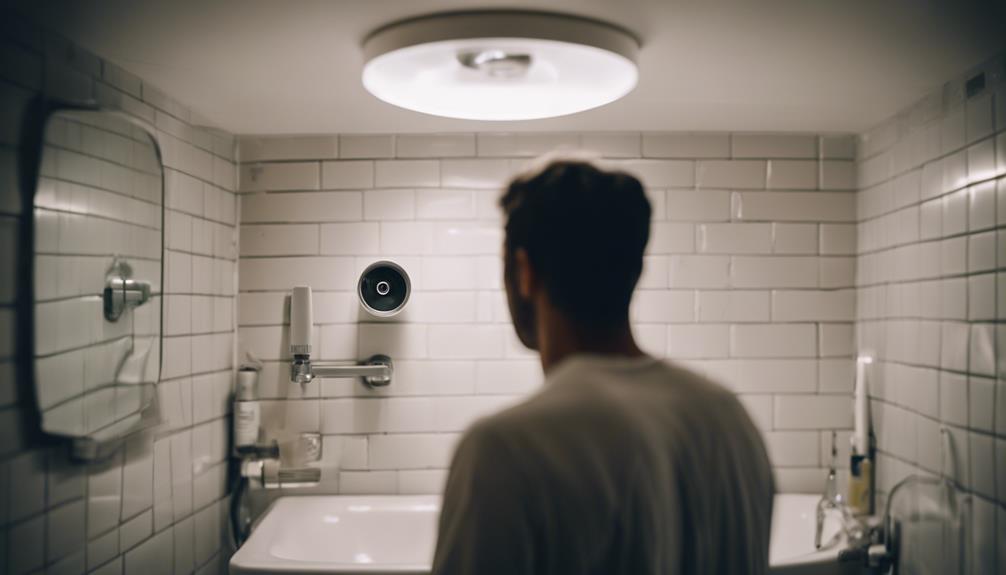
Start with a slow examination of the entire bathroom. Look for objects that seem out of place, have an unexplained opening, or appear recently installed or altered. A concealed camera generally needs a view of the room, so pay particular attention to items facing the shower, toilet, changing area, or other private locations.
- Examine mirrors for tiny openings, unusual reflections, or attachments behind the frame.
- Check ventilation grilles, light fixtures, and ceiling fittings for unfamiliar components.
- Look at corners, shelves, and high or low positions where a small lens could have a clear view.
- Use a flashlight to inspect dark gaps, while avoiding damage to fixtures or property.
A suspicious object is not automatically a camera. Some fittings, sensors, and electrical components naturally contain small openings, so note what you find before drawing a conclusion.
2. Check common hiding places
Next, inspect everyday objects that could conceal a small device. Pay attention to items that are pointed toward a private area or that do not belong in the bathroom. Possible locations include decorative objects, tissue boxes, toiletries, electrical outlets, toilet-tank areas, and objects placed on shelves.
Look for unexplained wires, a pinhole-sized opening, a lens-like glint, or an object that appears modified. Compare matching fixtures where possible; one outlet, vent, or accessory that looks substantially different from the others may deserve closer attention.
Do not pry open electrical outlets, remove ceiling fittings, or dismantle plumbing. If an item appears connected to mains electricity or building infrastructure, leave it in place and ask a qualified professional to examine it.
3. Use an RF detector carefully
An RF detector may help identify wireless transmissions from some cameras. To reduce interference, switch off or move away from ordinary electronic devices where practical, then sweep the room slowly and consistently. Check near vents, fixtures, shelves, and other locations identified during the visual inspection.
Unexpected signal activity can have many sources, including phones, routers, Bluetooth devices, and other electronics. A reading is therefore a reason to investigate, not proof that a camera is present. Some cameras may record locally rather than transmit wirelessly, meaning an RF sweep will not detect them. Treat this method as one part of a broader inspection.
4. Try a camera-detection app as a secondary check
Some smartphone apps claim to identify reflections or electromagnetic patterns associated with camera lenses. These tools may help you examine a suspicious area, but their results can be inconsistent. They can produce false positives from ordinary reflective surfaces, lights, or electronic equipment, and a concealed or nonstandard camera may not be detected.
Use an app only as a supplementary check rather than relying on it as confirmation. Review the app’s permissions before installing it, and avoid uploading photographs or sensitive information unless you understand how the data will be handled. If the app flags a location, inspect the physical object and document what you observe.
5. Contact a qualified professional
If your concern remains after these checks, arrange a professional technical inspection. A specialist can use equipment and experience that are not available through a visual search or consumer app, and can assess wiring, fixtures, and other difficult areas more safely.
If you find a device or strong evidence of surveillance, avoid touching or removing it if possible. Photograph it in place, record where and when it was discovered, and contact the property manager, venue operator, or relevant authorities. Laws concerning recording, privacy, and evidence vary by location, so seek local legal guidance rather than confronting a suspected person or damaging the device.
Protect your privacy while you investigate
Work systematically, keep notes, and distinguish confirmed observations from suspicions. If the discovery causes significant distress, consider asking someone you trust to stay with you and seek appropriate emotional support. A careful inspection, responsible documentation, and professional advice provide a safer response than relying on a single gadget or making an unverified accusation.