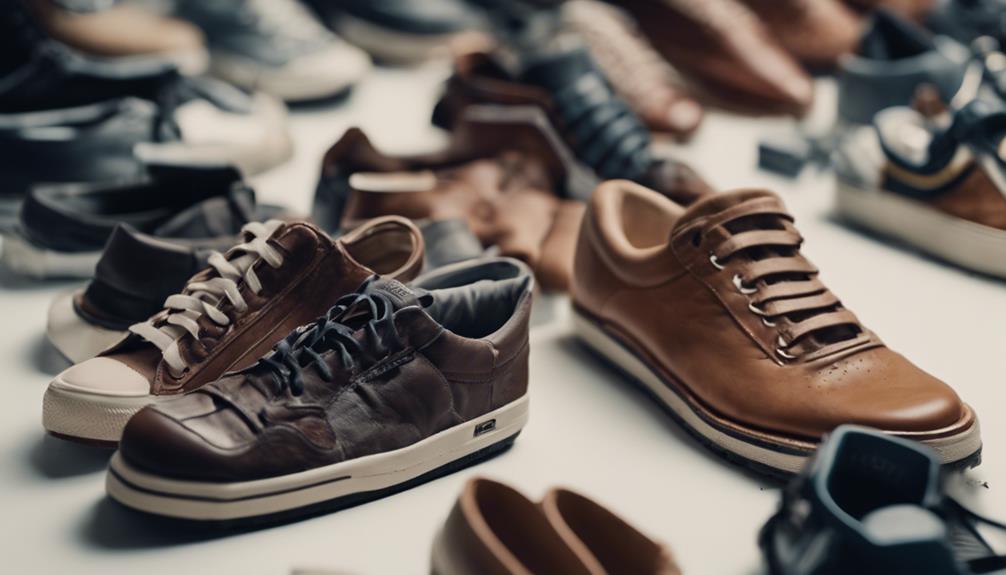

Shoe camera spy devices are compact cameras designed to be concealed within or attached to footwear. Their small size and hands-free operation have attracted interest from people researching surveillance technology, personal documentation, and investigative equipment. However, the discreet nature of these devices also creates serious legal and ethical responsibilities.
This overview explains how shoe cameras have developed, the features commonly associated with them, and the privacy issues that should be considered before anyone buys or uses one.
How Shoe Camera Devices Have Developed
Early concealed-camera concepts were generally limited by the size and capability of available recording equipment. Devices could be bulky, difficult to operate, and restricted in image quality or recording time. As cameras, batteries, and digital storage became smaller, manufacturers were able to create more compact designs that could be integrated into everyday objects, including footwear.
Modern shoe camera devices may be considerably smaller and more capable than earlier designs. Digital recording has replaced older film-based approaches, while wireless connectivity and compact storage have expanded the ways footage can be saved or reviewed. These developments have made discreet cameras easier to carry, but they have not removed the legal limits that apply to recording other people.
Common Features and Specifications
Specifications vary between models, so product descriptions should be read carefully rather than assuming that every device includes the same functions. Features commonly associated with shoe camera devices include:
- Digital video recording: Some models record high-definition video, although the actual image quality depends on the camera, lighting, lens, and recording settings.
- Internal or removable storage: A device may use built-in memory or support a memory card. Storage capacity affects how much footage can be retained.
- Wireless transmission: Certain models may send footage to another device, while others require the recording to be transferred after use.
- Live viewing: Some products advertise real-time monitoring, but this can depend on wireless range, battery life, network access, and compatible software.
- Low-light recording: Night-vision or low-light features may be available, though performance can vary significantly in dark or changing conditions.
- Motion detection: This function can start recording when movement is detected, potentially reducing unnecessary footage and conserving storage.
- Adjustable positioning: A movable lens or adjustable camera angle may help determine what appears in the frame.
Practical limitations also matter. Footwear provides a low mounting position, which can produce obstructed, unstable, or poorly framed video. Walking, bending, clothing, and floor-level obstacles may affect the recording. Battery duration, heat, durability, and the ease of retrieving files should also be considered when evaluating a device.
Legal Considerations
The legality of recording depends on the jurisdiction, the location, the purpose of the recording, and whether the people captured have consented. Rules can differ between public and private spaces, and audio recording may be subject to separate requirements. A location that is open to the public does not automatically make every type of recording lawful.
Recording someone without permission in a place where they reasonably expect privacy can lead to civil claims, criminal penalties, or other legal consequences. Additional restrictions may apply to workplaces, schools, changing areas, bathrooms, bedrooms, and similar private settings. Because laws vary, anyone considering a camera of this type should obtain location-specific legal advice instead of relying on a general online summary.
Privacy and Ethical Responsibilities
Covert recording can undermine a person’s ability to make an informed choice about being filmed. Even when a recording might be technically lawful, it may still be unfair, invasive, or harmful. Ethical use begins with a clear, legitimate purpose and respect for the boundaries of everyone who may appear in the footage.
Consent is the safest foundation for recording. People should understand what is being recorded, why it is being recorded, and how the footage will be stored or shared. Extra care is necessary when recordings could reveal sensitive information or involve children, vulnerable people, or private conversations.
Guidelines for Responsible Use
- Check the laws and rules that apply where the device will be used.
- Get informed consent whenever recording could identify another person.
- Never use the device in bathrooms, changing rooms, bedrooms, or other places where privacy is expected.
- Avoid recording confidential conversations unless every required participant has agreed.
- Use the narrowest camera angle and shortest recording time needed for a legitimate purpose.
- Protect stored footage with appropriate access controls and do not share it casually.
- Delete recordings when they are no longer necessary, subject to any lawful retention requirement.
- Stop using the device if someone objects or if the situation becomes unclear.
Final Considerations
Shoe camera spy devices combine compact design with features such as digital video, storage, wireless transmission, and motion detection. Those capabilities can be useful in lawful, transparent situations, but their discreet form also makes misuse particularly concerning. Understanding the device’s limitations, checking applicable regulations, obtaining consent, and protecting recorded information are essential steps toward responsible use.