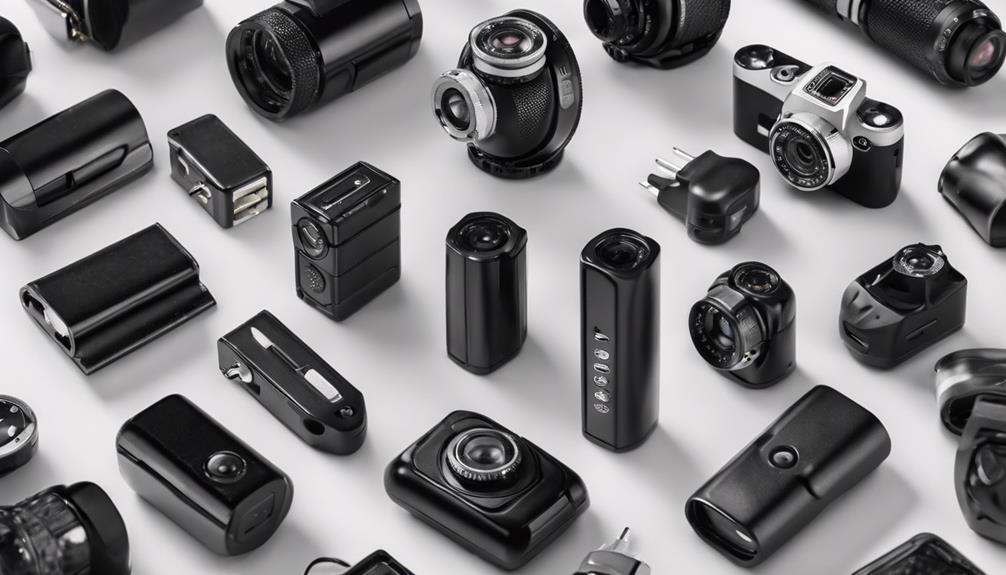

Battery-operated hidden cameras are designed for situations where a visible camera is impractical, wiring is unavailable, or a compact form factor is important. The best option depends on where the device will be placed, how long it must operate, whether motion-triggered recording is needed, and how footage will be stored.
Before using any concealed camera, check the laws that apply to your location. Recording people without appropriate notice or consent may be illegal, particularly in private areas or when audio is captured. Use these devices only for legitimate, lawful purposes, and avoid bedrooms, bathrooms, changing areas, and other places where people reasonably expect privacy.
10 Battery-Operated Hidden Camera Options
1. Miniature Spy Camera
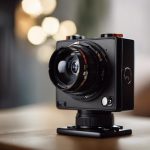
A small standalone camera can be useful when the device must be positioned discreetly or carried between locations. Its compact size makes placement flexible, although smaller cameras may have limited battery capacity. Look for straightforward controls, secure mounting options, and storage that can be checked without disturbing the camera.
2. Wireless Motion-Activated Camera
A motion-activated model begins recording when movement is detected, helping conserve battery power and storage space. Wireless connectivity may also allow remote viewing or notifications, depending on the model and network setup. Check whether the camera continues operating during connection interruptions and how reliably it detects movement in the intended area.
3. Night-Vision Hidden Camera
Night vision is useful for monitoring areas with poor lighting. Infrared illumination can help a camera capture footage in darkness, but performance varies with distance, angles, and nearby reflective surfaces. Confirm whether infrared lights are visible and whether night mode affects battery life or image detail.
4. Disguised Clock Camera
A clock-style camera is designed to blend into an ordinary room setting. It may be suitable for a shelf, desk, or other location where a clock would look natural. Placement matters: the lens needs a clear view, while the clock should not appear unusually positioned or obstructed. Make sure the device’s timekeeping and recording functions can operate independently.
5. USB Charger Camera
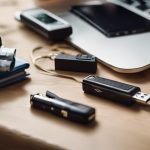
A camera built into a USB charger or similar power accessory can be convenient in areas where such an object belongs naturally. Because charger-style products may be used near outlets or electronics, inspect the device carefully and follow electrical safety guidance. Do not use an unfamiliar charger with valuable equipment unless its power specifications are suitable.
6. Smoke Detector-Style Camera
Smoke detector-style devices are intended to mount overhead and provide a broad view. However, they must never replace a certified, functioning smoke alarm. If a camera is installed near a safety device, keep the actual alarm unobstructed and operational. Avoid using a disguised camera in shared or private spaces without clear legal authority and appropriate notice.
7. Covert Pen Camera
A pen camera combines a familiar object with a small recording system. It can be practical for authorized documentation in professional settings, but its use around other people requires particular care. Battery life, video resolution, button placement, and the ability to transfer files are the main features to compare.
8. Button or Pinhole Camera
Button and pinhole cameras are built for installations where a very small lens is required. They may be integrated into clothing, equipment, or a fixed enclosure. The lens must remain unobstructed, and the camera should be tested from the intended angle before use. A tiny lens does not guarantee good footage, especially in low light.
9. Bookshelf Speaker Camera
A speaker-style camera can blend with home or office equipment while providing a fixed viewing position. If the device includes a microphone, treat audio recording as a separate legal issue; audio laws can be stricter than video laws. Disable audio when it is unnecessary, and make sure the object does not block its own lens.
10. Alarm Clock Camera
An alarm clock camera is intended to sit naturally on a bedside table or desk. Its appearance may make it less conspicuous than a traditional camera, but that does not make recording in a private area automatically lawful. Consider battery duration, loop recording, time stamps, and whether footage can be retrieved without moving the device.
What to Compare Before Buying
- Battery runtime: Check expected recording time, especially when motion detection, wireless access, or night vision is enabled.
- Storage: Determine whether footage is saved to removable storage, internal memory, or a connected service. Review overwrite and file-export settings.
- Video quality: Resolution alone is not enough; lens angle, lighting, focus, and compression also affect usable footage.
- Motion detection: Test detection range and sensitivity to reduce missed events and unnecessary recordings.
- Placement: Choose a stable location with a clear view and avoid areas where people expect privacy.
- Security: Protect stored footage and change default passwords on any connected device.
Use Concealed Cameras Responsibly
A battery-operated hidden camera can support lawful property protection, authorized documentation, or monitoring in clearly permitted circumstances. It should not be used to stalk, harass, invade privacy, or secretly record conversations. When consent or notice is required, provide it, and retain only footage that serves a legitimate purpose.