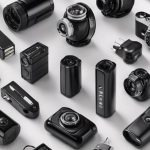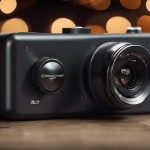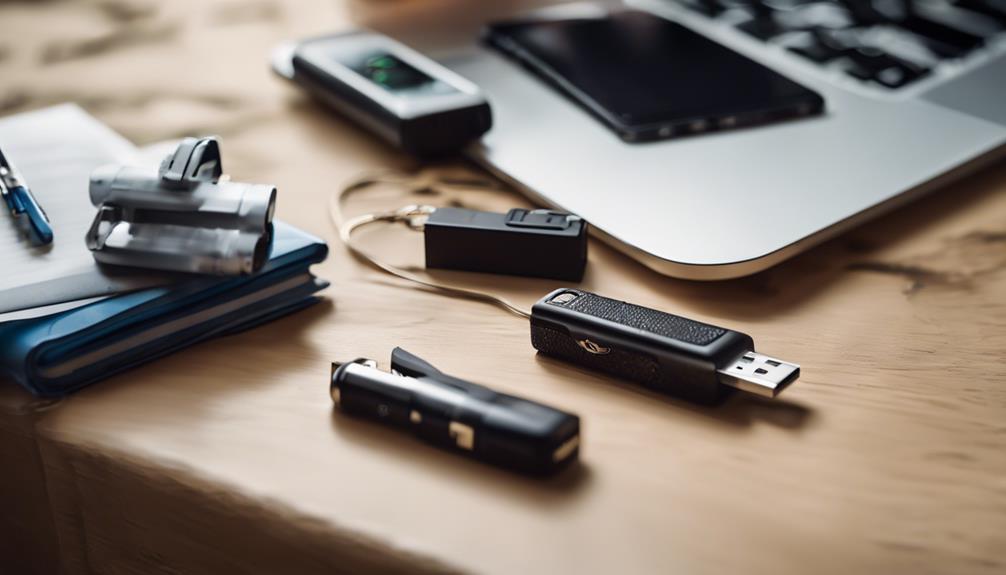

USB spy cameras are small surveillance devices designed for situations where portability, simple setup, or remote access matters. The right choice depends on how you plan to use the camera, whether you need live viewing, and whether recording will take place in low-light conditions.
Because these cameras can capture people without their knowledge, use them only where monitoring is lawful and appropriate. In many situations, recording audio or video without consent may be restricted. Check the rules that apply to your location, respect private spaces, and inform people when disclosure is required.
Three common types of USB spy cameras
1. Keychain USB camera
A keychain-style USB camera is built around portability. Its compact form makes it easy to carry, and the USB connection can simplify charging or transferring recorded files, depending on the model. This type may suit users who need a small camera available for occasional recording rather than a permanently installed monitoring system.
Its main advantages are convenience and discreet size. Before buying, check how recording is started, how files are stored, and whether the device captures audio as well as video. Battery life and available storage are also important, especially if the camera will be used away from a computer or charger.
- Useful for portable, occasional recording
- Small design that is easy to carry
- May offer straightforward USB charging or file transfer
- Best suited to short sessions unless battery and storage capacity are sufficient
2. Wi-Fi USB hidden camera
A Wi-Fi USB camera adds network access to the compact USB format. Compatible models can connect to a wireless network and provide live viewing through a smartphone or computer. This can be useful when you need to check a monitored area without being in the same room.
Many Wi-Fi models also include motion-triggered recording. Instead of recording continuously, the camera can begin recording when movement is detected, which may reduce unnecessary footage and conserve storage. Performance depends on the strength and reliability of the wireless connection, so placement and network coverage should be considered during setup.
- Can support remote viewing over a Wi-Fi connection
- Motion detection may reduce the amount of irrelevant footage
- Requires suitable network access and device configuration
- Should be secured with strong account and network credentials
3. Miniature USB surveillance camera
A miniature USB surveillance camera focuses on a small footprint and ongoing monitoring. Models with motion detection can begin recording when activity occurs, while night vision can help capture video in dim or dark conditions. These features may be useful for monitoring a defined area, provided the camera is positioned lawfully and people are not recorded in circumstances where they reasonably expect privacy.
Night vision does not necessarily mean that every scene will be equally clear. Image quality, distance, available light, and the camera’s viewing angle all affect the result. If the camera is intended for extended use, also review its power requirements and how recorded footage is stored.
How to choose the right USB camera
Start with the setting and purpose rather than the camera’s appearance. Consider the following questions:
- Do you need a portable camera or a device that stays in one location?
- Is local recording enough, or do you need live remote viewing?
- Will the camera operate in daylight, low light, or both?
- Would motion detection be more practical than continuous recording?
- How will the camera receive power, and where will footage be stored?
- Does the design make its intended use clear and comply with local privacy requirements?
Final considerations
Keychain, Wi-Fi, and miniature USB cameras serve different monitoring needs. A keychain model prioritises portability, a Wi-Fi camera adds remote access and motion-triggered recording, and a miniature model may combine compact placement with motion detection and night vision. Compare the actual specifications of each device rather than assuming every camera offers the same features, and use any recording equipment transparently and lawfully.