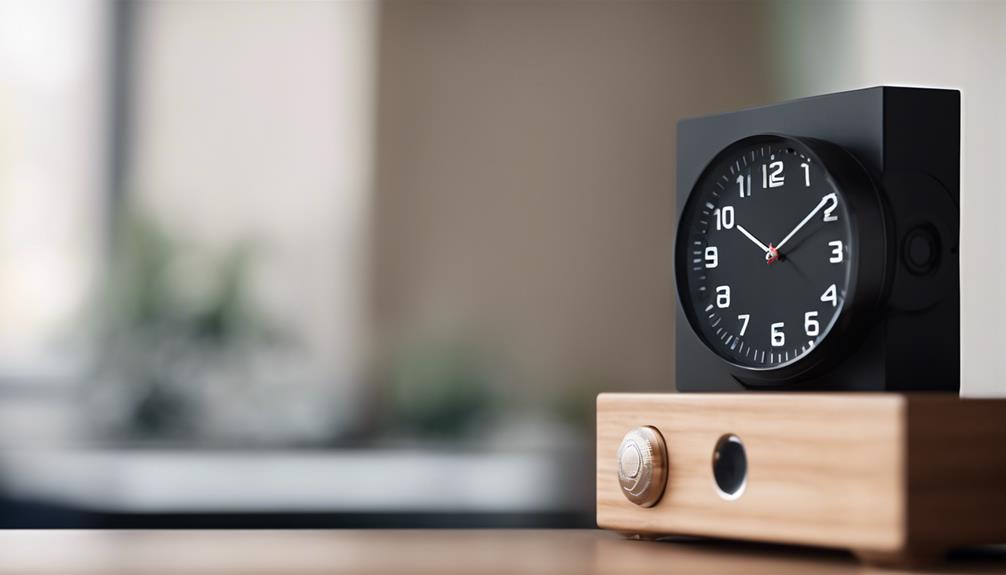

Clock-style cameras are designed to combine everyday decor with video monitoring. Their appearance can make them less visually intrusive than a conventional security camera, but that does not remove the privacy and legal responsibilities that come with recording people. The right choice should balance image quality, reliable operation, ease of use, and responsible placement.
What to Look for in a Clock Camera
Before comparing models, decide what you actually need the device to do. A camera intended for occasional room monitoring may have different requirements from one used for continuous security observation. Pay attention to the following features rather than choosing based on appearance alone.
Clear video and dependable audio
High-definition video can make recorded footage easier to review, particularly when lighting is good and the subject is within a suitable distance of the lens. Look for clear imaging and a recording system that suits your intended use. If audio is included, check whether it can capture understandable sound without excessive background noise.
Audio recording deserves special care. Laws governing recorded conversations vary by location, and recording people without the required consent may be unlawful. If you do not specifically need sound, disabling audio can reduce both privacy risks and unnecessary data collection.
Wireless access and app quality
Wireless connectivity can allow you to view a live feed or review recordings from a phone or tablet. This is useful when you need to check a room while away, but convenience should not come at the expense of security.
A well-designed app should make everyday controls easy to find. Useful controls may include live viewing, playback, alert settings, motion sensitivity, and recording schedules. Check that the app provides a clear user experience and that the camera receives software or firmware updates. Use a strong, unique account password and secure home network to help limit unauthorized access.
Motion detection and alerts
Motion detection can trigger recording or send an alert when movement occurs. It may also reduce the amount of footage that needs to be stored compared with continuous recording. However, sensitivity settings matter: a setting that is too high can create repeated alerts from harmless movement, while a setting that is too low may miss important activity.
Choose a camera that lets you adjust motion detection when possible. Test the alert behavior in the room where the camera will be used, and avoid monitoring areas where people reasonably expect privacy.
Low-light performance
Night vision or other low-light capability is important if the camera must operate after dark. Review the quality of nighttime images rather than assuming that a night-vision label guarantees useful footage. The camera’s position, surrounding light, and distance from the subject all affect the result.
Discreet Design Without Misleading Anyone
A clock-style housing can blend into a room more naturally than a traditional camera, but discreet design should not be treated as permission to record secretly. Use the device only where monitoring is appropriate, and inform people who may be recorded when consent or notice is required.
Place the clock where it has a clear, useful view without pointing it toward private spaces such as bedrooms, bathrooms, or changing areas. Avoid positioning it to capture neighbors, shared areas, or visitors beyond the purpose of your security setup.
Battery Life, Power, and Storage
Long battery life can help when a camera cannot remain connected to a power outlet, while continuous power may be more suitable for extended monitoring. Check how the device behaves when its battery is low and whether it continues recording while charging.
Also consider how recordings are stored. A system that supports motion-based recording may conserve storage, while continuous recording may provide a more complete timeline. Review retention settings regularly and delete footage that is no longer needed. Keeping less personal data reduces the impact of unauthorized access or accidental sharing.
A Practical Buying Checklist
- High-definition video with usable performance in the intended lighting.
- Wireless viewing with a straightforward, dependable mobile app.
- Adjustable motion detection and practical alert controls.
- Night vision or low-light recording if monitoring continues after dark.
- Battery capacity or power options that match the expected recording schedule.
- Secure account controls, software updates, and sensible storage settings.
- A clock design that fits the room without being aimed at private areas.
- Clear information about audio recording, notification, and consent requirements.
Final Considerations
The best clock-style camera is not simply the one with the most features. It should provide clear footage, manageable alerts, reliable access, and enough power for the way you plan to use it. Most importantly, operate it transparently and within applicable privacy rules. Responsible placement and careful data handling are just as important as resolution, connectivity, or night vision.