
Monitoring a loved one in a nursing home can provide reassurance and help families understand whether care needs are being met. However, camera use in a care setting requires more than choosing the smallest or most discreet device. Consent, lawful placement, resident dignity, staff privacy, and secure handling of recordings should guide every decision.
Start with the monitoring goal
Before choosing a camera, decide what you need to observe. A camera intended to check activity near a doorway has different requirements from one used to review a shared living area. Consider whether you need live viewing, recorded footage, motion alerts, night vision, or simply occasional visual check-ins.
- Live remote viewing: Useful when an authorised family member needs to check a room or shared area from a phone or computer.
- Motion detection: Can reduce unnecessary recording by capturing activity when movement occurs.
- Night vision: Helpful for viewing in low-light conditions, provided the camera is placed lawfully and appropriately.
- High-definition video: Produces clearer footage, which may make it easier to understand what happened.
- Audio recording: Requires particular caution because conversations may be protected by additional privacy or consent rules.
Camera styles to consider
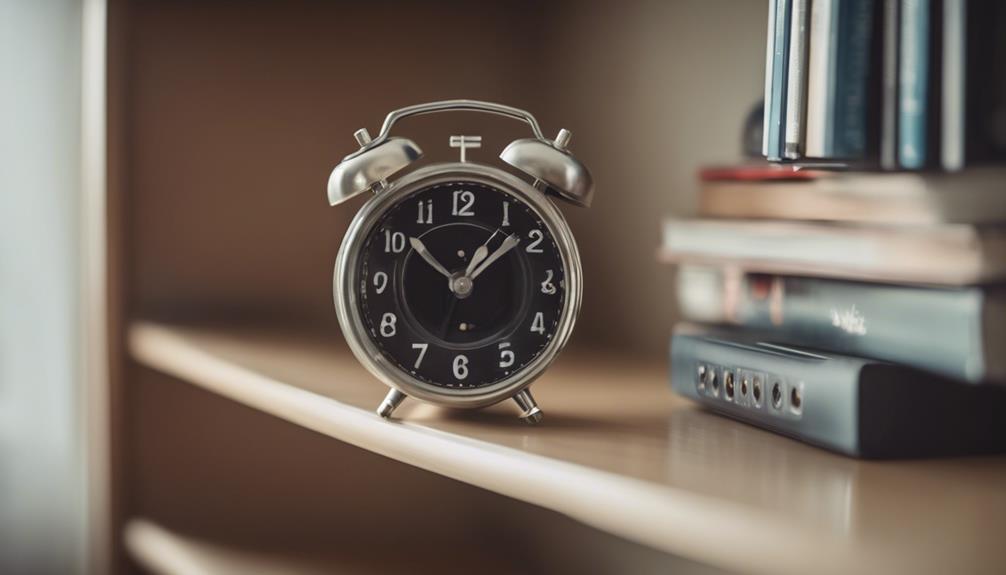
Clock and picture-frame cameras
A camera built into an alarm clock or picture frame can blend into ordinary room furnishings. These designs may be less visually intrusive than a conventional security camera, but their discreet appearance does not remove the need for consent. They are most appropriate only where the resident and other relevant parties have been informed and the placement is permitted.
Outlet and USB-charger cameras
Wall-outlet and USB-charger cameras combine recording equipment with a familiar household item. If a device is allowed, installation should not interfere with the outlet, charger, wiring, or other equipment. Follow the manufacturer’s instructions and ask the facility whether privately supplied electrical devices are permitted.
Smoke-detector-style cameras
A smoke-detector-style camera may provide a broad view while blending into the room. It must never be confused with, substituted for, or installed in a way that compromises an actual fire-safety device. Confirm the location with the facility before considering this type of equipment.
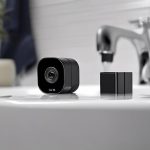
Mini Wi-Fi cameras
Mini Wi-Fi cameras are compact and may offer remote viewing, motion detection, and high-definition recording. They can be easier to position than disguised products, making it more straightforward to explain their purpose to residents and staff. A stable Wi-Fi connection is generally needed for remote access, and the camera should be secured with strong account credentials.
Where cameras should and should not be placed
Shared areas such as living rooms, entrances, or hallways may present fewer privacy concerns than personal spaces, but they are not automatically unrestricted. Obtain agreement from the resident, facility, and any other people whose rights may be affected.
Do not place a camera in a bathroom, changing area, or another location where residents reasonably expect complete privacy. Bedrooms require particular care because they are personal spaces, even when the camera is intended to protect a vulnerable resident. A disguised object such as a teddy bear, pen, pair of glasses, or clock can make monitoring less transparent rather than more acceptable.
Legal and ethical checks
Surveillance rules differ by location, and requirements may also depend on whether video, audio, staff, visitors, or shared areas are recorded. Some situations may require consent from the resident, a legal representative, or other parties. Ask the nursing home for its camera policy and obtain qualified legal advice before recording, especially when audio is involved.
- Tell the resident and relevant caregivers that monitoring equipment is present.
- Agree on the camera’s purpose, viewing area, access permissions, and recording schedule.
- Keep recordings secure and limit access to people who genuinely need it.
- Set a retention period and delete footage that is no longer needed.
- Review whether the camera remains necessary and appropriate over time.
Choosing the most suitable option
The best camera is not necessarily the most concealed model. For many families, a visible mini Wi-Fi camera or another clearly disclosed device offers a better balance between safety, transparency, and resident dignity. If a camera is approved, prioritise reliable video, motion alerts, low-light performance, secure remote access, and simple installation over novelty features.
Camera monitoring should support—not replace—regular communication with the resident and the care facility. A clear agreement about purpose, placement, consent, and access can help protect both safety and privacy.