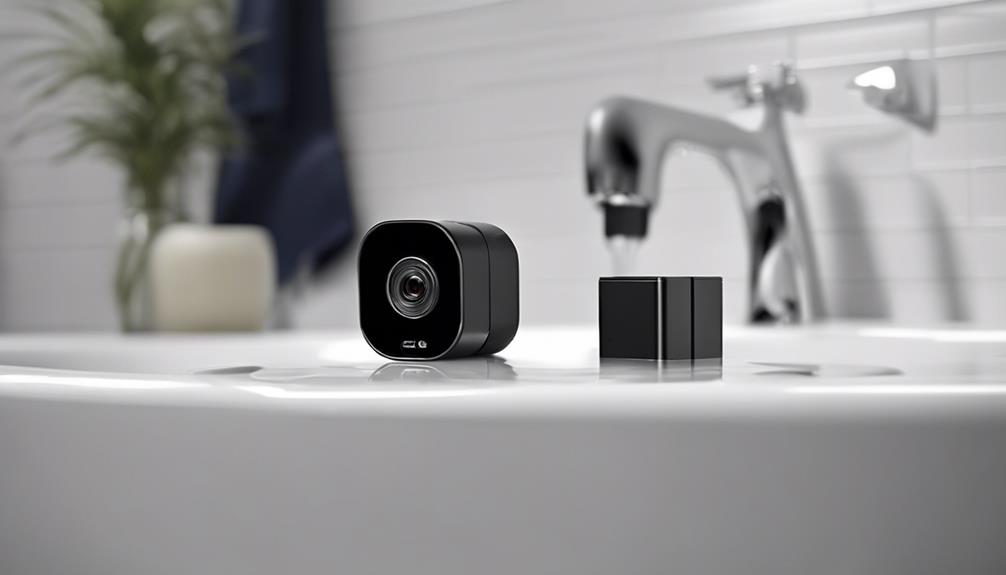

Wireless and miniature cameras are often marketed as convenient security tools, but a bathroom is an especially sensitive place for surveillance. People reasonably expect privacy while using a bathroom, whether it is in a home, workplace, rental property, hotel, or public facility. Installing an invisible, concealed, or remotely accessible camera in that setting can violate personal privacy and may breach applicable laws.
Why hidden bathroom cameras are a serious privacy risk
A camera disguised as a mirror, shower accessory, light, or other bathroom fitting can record people without their knowledge or consent. Wireless connectivity may also allow footage to be viewed remotely, increasing the risk of unauthorized access, copying, or distribution. Motion activation and night vision do not remove these concerns; they can make recording more discreet and extend it into low-light conditions.
Even if the stated goal is security, covert recording in a bathroom is difficult to justify ethically. Visitors, employees, tenants, children, and other occupants may have no meaningful way to understand what is being recorded or how the footage is handled. Waterproofing and compact design make a device easier to place in damp areas, but they do not make its use appropriate.
Better ways to improve bathroom security
Security can usually be improved without filming inside a private bathroom. Consider measures that protect the surrounding property while preserving the privacy of people using the room:
- Use visible cameras outside the bathroom. A clearly identified camera can monitor an entrance, hallway, or approach without viewing the interior.
- Improve lighting. Motion-activated lighting near entrances and corridors can deter unwanted activity without collecting intimate footage.
- Secure doors and access points. Reliable locks, controlled access, and regular maintenance may address the underlying security concern more directly than surveillance.
- Use an alarm or alert system. Door contacts, emergency buttons, or other non-camera sensors can provide notifications while limiting personal data collection.
- Inspect fixtures for tampering. Routine maintenance checks can help identify damaged fittings or unauthorized changes without creating a new privacy risk.
Appropriate placement for wireless security cameras
If a wireless camera is needed, place it only in an area where recording is reasonable and clearly disclosed. Suitable locations may include an exterior doorway, a building entrance, a garage, or a common hallway, provided the camera is aimed narrowly and does not capture bathroom interiors, changing areas, or neighboring private spaces.
Choose visible equipment rather than a disguised device. Post clear notice where recording occurs, restrict access to authorized users, and avoid collecting more footage than necessary. Features such as high-definition video, motion detection, local storage, or remote viewing should be evaluated in terms of data security as well as convenience.
Privacy and legal checks before installation
Rules concerning recording, audio capture, consent, workplace monitoring, rental properties, and public facilities vary by location. Before installing any camera, confirm the requirements that apply to the property and obtain appropriate permission from the owner or responsible authority. Do not assume that a security motive makes hidden recording lawful.
It is also wise to review who can access recordings, how long they are retained, whether cloud storage is involved, and how footage will be deleted. Avoid recording audio unless it is clearly permitted and necessary, since audio may create additional privacy concerns.
A responsible security standard
The strongest bathroom security plan is one that protects people without observing them in an intimate setting. Visible cameras positioned outside the room, better lighting, secure access, and privacy-conscious sensors can provide useful protection without the risks associated with invisible bathroom spy cameras. When surveillance is considered, necessity, transparency, consent, and limited data collection should come before concealment or convenience.