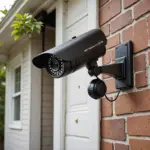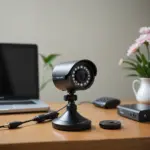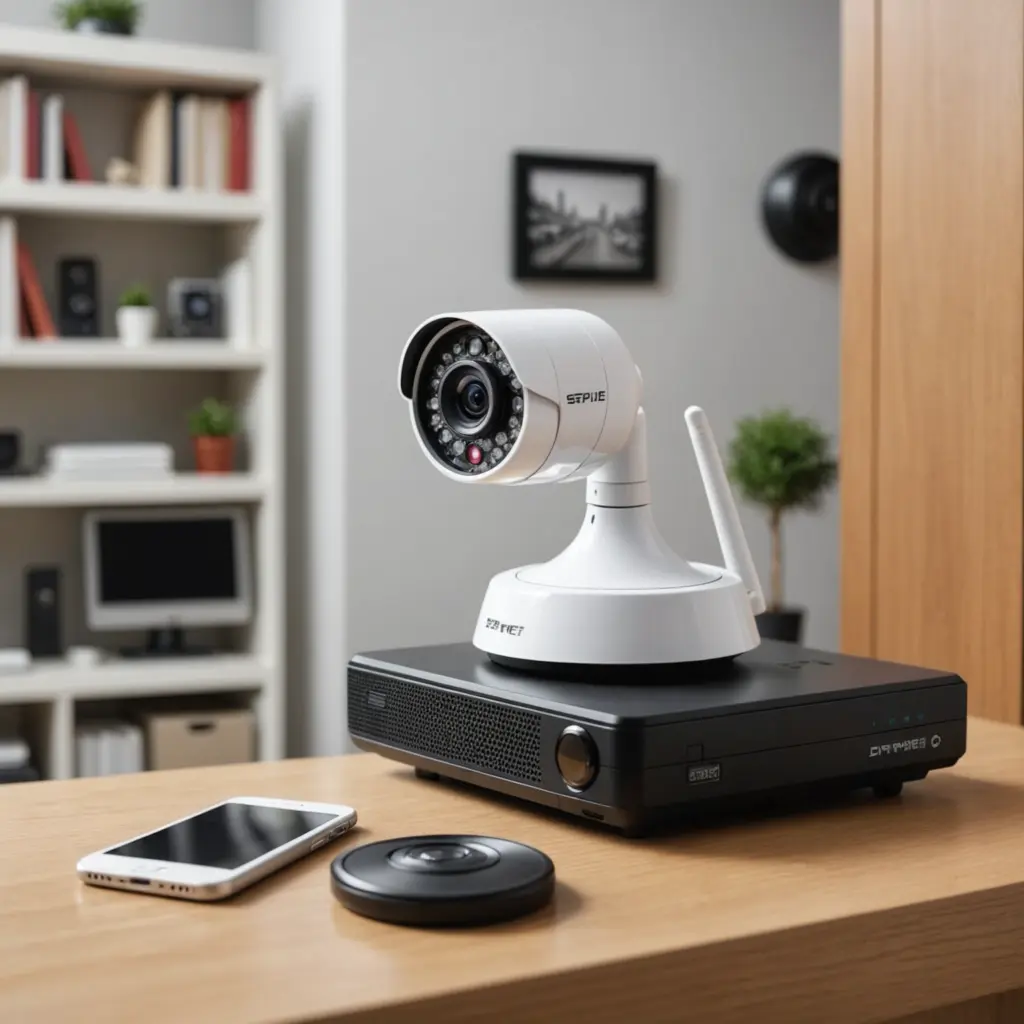

Discreet cameras can strengthen a home security setup when a visible camera is impractical or does not provide the right viewing angle. They may help you check an entryway, monitor a vulnerable area, or understand what happened after an unexpected event. However, a hidden camera should complement—not replace—visible security measures such as exterior cameras, alarms, locks, and appropriate lighting. Explore choosing discreet monitoring options to compare features, placement considerations, and privacy practices for home protection.
What to look for in a discreet home security camera
The right camera depends on where it will be used, how often it needs to record, and whether you need remote access. Before buying, compare the following features:
- Video quality: A camera capable of recording clear footage is more useful than one that is merely small. Resolution, lens quality, and the ability to identify faces or other details in the scene all matter.
- Low-light performance: Night vision or strong low-light capability is important for rooms, hallways, and entrances that are poorly lit after dark.
- Motion detection: Adjustable sensitivity can help reduce unnecessary recordings and alerts caused by pets, curtains, or changing light.
- Storage: Cloud storage may make remote access convenient, while local storage can provide more control over recorded files and avoid recurring service fees. Check how recordings are protected and how long they remain available.
- Power: Battery-powered models are easier to place discreetly, but they require regular charging. Plug-in or hardwired cameras are better suited to locations with a dependable power source.
- Network security: Use strong, unique account credentials and choose products that support secure connections and firmware updates.
- Field of view: A wide-angle lens can cover more of a room, but excessive width may make important details appear smaller. Match the lens to the distance and area you need to monitor.
Common types of discreet cameras
Compact indoor cameras
Small standalone cameras can be positioned on a shelf, desk, or other suitable surface. They are often simpler to aim and maintain than cameras built into household objects, while still remaining relatively unobtrusive.
Pinhole and peephole-style cameras
These designs can suit an entryway where a narrow, discreet viewing point is useful. Before installation, confirm that the camera captures the intended area without pointing into a neighbour’s property or an area where people reasonably expect privacy.
Battery-operated cameras
Wireless models provide flexibility when there is no nearby outlet. Their practical usefulness depends on battery life, motion activity, signal strength, and how easily the device can be accessed for charging. A camera placed out of sight should still be reachable for maintenance.
Where to place a hidden camera
Choose a location with a natural sightline to the area of concern. Doorways, hallways, and common living areas may provide useful coverage, provided monitoring is lawful and appropriate. Test the camera before final installation to check the angle, lighting, motion detection, and wireless connection. When comparing home surveillance options, explore offline monitoring options to understand how these devices function during internet outages.
Avoid bathrooms, bedrooms used by other people, changing areas, and any other place where occupants or visitors may expect substantial privacy. Do not conceal a camera in a way that blocks ventilation, creates a fire or electrical hazard, or prevents you from checking its condition. Exterior coverage should generally use weather-appropriate equipment rather than an indoor device placed in an exposed position.
Privacy and legal responsibilities
Rules governing video and audio recording vary by location. Video may be treated differently from audio, and recording a conversation can require consent even when a camera is installed inside your own home. Requirements may also differ when monitoring employees, caregivers, tenants, roommates, guests, or children.
Before installing a covert device, check the laws that apply to your location and intended use. Do not record in private areas, and consider informing people who may regularly enter the monitored space unless there is a specific, lawful safety reason not to do so. Keep recordings secure, limit access to people who need it, and avoid retaining footage longer than necessary.
Installation and maintenance checklist
- Test the camera in its intended position during both daylight and darkness.
- Confirm that the view is useful and that important areas are not obstructed.
- Use a secure account password and enable available security protections.
- Install firmware updates from the manufacturer when appropriate.
- Check battery condition, cables, mounts, and storage capacity regularly.
- Review sample recordings to ensure that motion events are being captured clearly.
- Keep important footage in a secure location and document when it was collected if it may be relevant to a dispute or report.
Choosing the right approach
The best spy camera for home security is not necessarily the smallest model. Prioritize dependable video, suitable night performance, secure storage, reliable power, and a placement that serves a legitimate purpose. For broader protection, combine discreet indoor monitoring with visible exterior cameras, good lighting, secure doors and windows, and an alarm system. Used carefully and lawfully, a discreet camera can add useful context without compromising the privacy and safety of the people in your home.