
Spy cameras, also called discreet or hidden security cameras, can add another layer to a home security plan. Their small size and unobtrusive design may help document activity at entrances, hallways, home offices, or areas where valuables are stored. However, discreet surveillance also creates significant privacy and security responsibilities. The best setup is not simply the smallest camera; it is one that provides useful footage, is installed lawfully, and is protected against unauthorized access.
When a discreet camera may be useful
A visible security camera can deter unwanted activity, while a discreet device may be useful when a conventional camera would be impractical or would change the appearance of a room. Possible applications include monitoring an entryway, checking activity near stored valuables, or observing a room when there is a specific safety concern.
Recorded footage can help establish what happened during a suspicious incident and may be useful when reporting an event to the appropriate authorities or making an insurance claim. A camera should nevertheless be treated as one part of a broader plan that can also include locks, lighting, alarms, and secure doors and windows.
Common types and their practical differences
Discreet cameras are available in several formats. The right choice depends on the location, power supply, lighting, and how often footage needs to be reviewed.
- Mini or pinhole cameras: Small units can fit into limited spaces, but they still need a suitable viewing angle and a dependable power or charging arrangement.
- Peephole-style cameras: These are designed for viewing activity near a door and can be more appropriate than placing a camera inside a private room.
- Battery-powered cameras: They are easier to move and install temporarily, although battery life depends on settings, usage, and connectivity.
- Plug-in disguised cameras: Continuous power can support longer monitoring, but the device must be positioned so that its lens is not blocked.
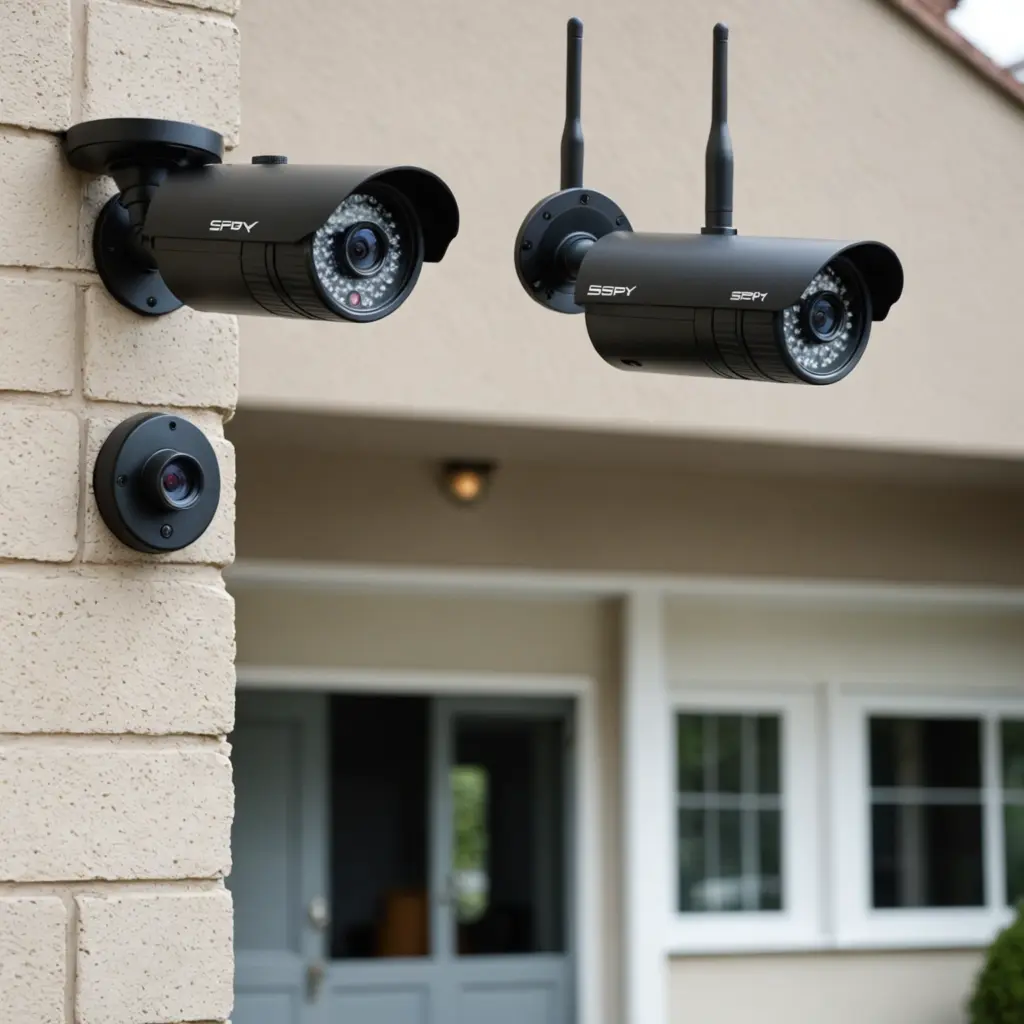
- Outdoor-capable models: Outdoor use requires suitable weather protection, careful power planning, and a placement that does not intrude on neighboring properties.
Disguising a camera inside an everyday object does not make its use legal or automatically appropriate. The location and the people being recorded matter more than the appearance of the device.
Features worth comparing
Prioritize features that improve the usefulness and security of recordings rather than choosing solely by size or price.
- Video quality: Clearer footage makes it easier to distinguish relevant details. Resolution alone is not enough; lighting and camera placement also affect results.
- Low-light performance: Night vision or infrared support can help in dark areas, but test whether the image remains useful at the intended distance.
- Motion detection: Activity-based recording can reduce unnecessary footage and conserve storage or battery power.
- Storage: Local memory and cloud storage have different costs, access arrangements, and failure risks. Check how footage is exported and how long it is retained.
- Connectivity: Wi-Fi access may allow remote viewing, but it also makes account and network security especially important.
- Power and reliability: Consider charging frequency, cable placement, recording interruptions, and whether the camera resumes operation after a power loss.
- Security controls: Look for password changes, encrypted connections, software updates, and account protections such as multifactor authentication where available.
Placement and installation principles
Choose a location with a clear view of the area that actually matters, such as an entrance or the route leading to it. Avoid aiming directly at bright windows or lights, since strong backlighting can make people difficult to identify. Mounting the camera high enough to reduce tampering may help, but excessive height can also make faces harder to see.
Before relying on the device, test daytime and nighttime views, motion alerts, audio settings, storage, and remote access. Check for blind spots and confirm that the timestamp is accurate. Keep cables secure, avoid blocking smoke detectors or other safety equipment, and do not alter electrical fixtures unless the installation is suitable and permitted.
Privacy, consent, and responsible use
Surveillance laws differ by location, particularly concerning audio recording, consent, shared homes, employees, caregivers, and visitors. Recording in bedrooms, bathrooms, changing areas, or other places where people reasonably expect privacy may be unlawful and is generally inappropriate. Before installing a camera, review applicable local rules and consider obtaining informed consent from household members, caregivers, contractors, or other regular occupants when required or appropriate.
Use clear household rules covering where cameras are located, what they record, who can view footage, and how long recordings are kept. Disable audio or remote access if it is not necessary for the stated safety purpose. Do not use a security camera to monitor people beyond the legitimate scope of protecting the home.
Protecting the camera and its recordings
Change default passwords immediately and use a unique, strong password for the camera account. Keep the camera, mobile app, router, and related software updated. If practical, place security devices on a separate network and review account access regularly. Limit shared users to people who genuinely need access.
For cloud storage, examine encryption claims, retention periods, download options, subscription terms, and account-recovery procedures. For local storage, protect the memory card and any computer or drive that contains recordings. Delete footage when it is no longer needed, especially when it includes visitors or household members.
A sensible decision checklist
- Define the safety problem before choosing a camera.
- Confirm that the proposed location respects privacy and local law.
- Choose power, storage, night performance, and connectivity for the actual environment.
- Test the viewing angle, alerts, recording, and access controls before relying on the system.
- Tell appropriate household members and regular occupants how surveillance is being used.
- Review footage access and delete recordings that are no longer necessary.
A discreet camera can support home security when its purpose is specific, its placement is lawful, and its data is handled carefully. Responsible use balances useful monitoring with the privacy, safety, and trust of everyone who enters the home.