
Wearable cameras can be useful when you need hands-free documentation, a first-person record of an activity, or a compact device that is easier to carry than a traditional camera. The right option depends on where you will use it, how visible the device should be, how long you need to record, and whether you need wireless access to the footage.
Because wearable cameras can capture people without their knowledge, use them only for lawful purposes. Check local rules before recording, particularly when audio, private spaces, workplaces, schools, or other people’s personal information are involved. In many situations, clear notice and consent are the safest approach.
What to consider before choosing a wearable camera
- Recording quality: Choose a resolution and lens angle suited to your intended use. A wider view can capture more of a scene, while a narrower view may make the subject easier to identify.
- Battery life: Short recording sessions may work with a small internal battery, but longer activities require extended runtime or a practical charging plan.
- Storage: Check whether the camera uses removable storage, internal memory, or a connected phone. Estimate storage needs before an important recording.
- Audio: Built-in microphones can make recordings more useful, but audio laws are often stricter than video rules. Disable audio when it is not necessary.
- Ease of operation: A reliable physical record button, status indicator, and simple file-transfer process are often more valuable than a long list of extra features.
- Comfort and stability: The camera should remain secure while you move and should not obstruct your vision or create a safety hazard.
Common types of wearable cameras
Glasses and sunglass cameras
Camera-equipped glasses provide a first-person viewpoint while leaving both hands free. They may suit activities such as documenting a demonstration, recording a personal point of view, or keeping a visual record during fieldwork. Look for a comfortable fit, a lens position that matches your line of sight, and a clear way to show when recording is active. Avoid using them where recording would reasonably be expected to be private.
Button and clothing-mounted cameras
Small cameras designed to attach to clothing can provide a stable chest-level perspective. They are generally more practical than trying to hide a device inside clothing, which can obstruct the lens, reduce audio quality, or create legal and safety concerns. A visible camera and clear notice may be preferable for interviews, inspections, event documentation, or other accountable uses.
Pen cameras
Pen-style cameras are compact and easy to carry, making them suitable for notes, demonstrations, or short documentation tasks when recording is permitted. Their small size can also make controls and battery indicators less convenient. Test the writing function, camera angle, file transfer, and charging process before relying on one.
Watch cameras
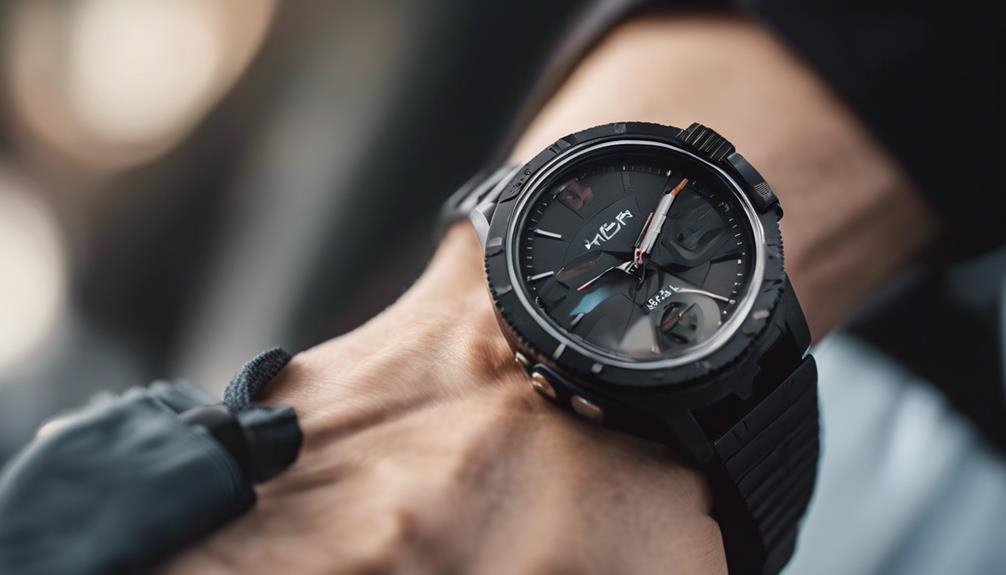
A watch-style device offers a hands-free format that is easy to carry throughout the day. It may be useful for brief clips or situations where holding a phone is inconvenient. Consider whether the display and controls are readable, whether the camera points in the desired direction, and whether the device can record for the required duration.
Hat and head-mounted cameras
Hat-mounted cameras can provide a forward-facing view while keeping the camera steady as you move. Baseball caps, visors, and other headwear may offer different levels of comfort and stability. Head-mounted recording can produce distracting motion, so use a secure mount and review sample footage before an assignment or activity.
Necklace and other accessory cameras
Necklace, badge, bracelet, or similar wearable formats can be convenient when a chest-level viewpoint is appropriate. The main considerations are camera alignment, movement, clothing interference, and whether the accessory clearly indicates that recording is taking place. These designs should be treated as ordinary wearable equipment, not as a way to bypass consent.
Keychain cameras
Keychain cameras are among the most portable options and can be useful for quick, authorized recordings. Their small size usually means compromises in battery capacity, controls, and image stability. They are better suited to short clips than extended documentation unless you have confirmed their runtime and storage capacity.
Belt-mounted and body cameras
Belt-mounted body cameras provide a stable, hands-free setup for longer activities. Some models include motion-triggered recording or wireless connectivity, while others simply save files locally. Wi-Fi-enabled devices may support remote viewing or file transfer, but wireless features can consume more battery and introduce security concerns. Protect accounts and recordings with strong passwords, updated software, and secure storage.
Choosing the best option for your use
For a first-person view, consider glasses or a head-mounted camera. For a stable chest-level perspective, a clothing, belt, or body-mounted model may be more practical. Choose a pen or keychain design when portability matters most, and consider a watch-style camera when you need a device that is easy to carry during short activities.
Before recording, confirm permission, test the framing and sound, charge the battery, and decide how files will be stored and deleted. A wearable camera is most useful when it produces reliable footage without compromising the privacy, safety, or rights of the people around you.