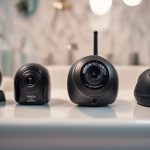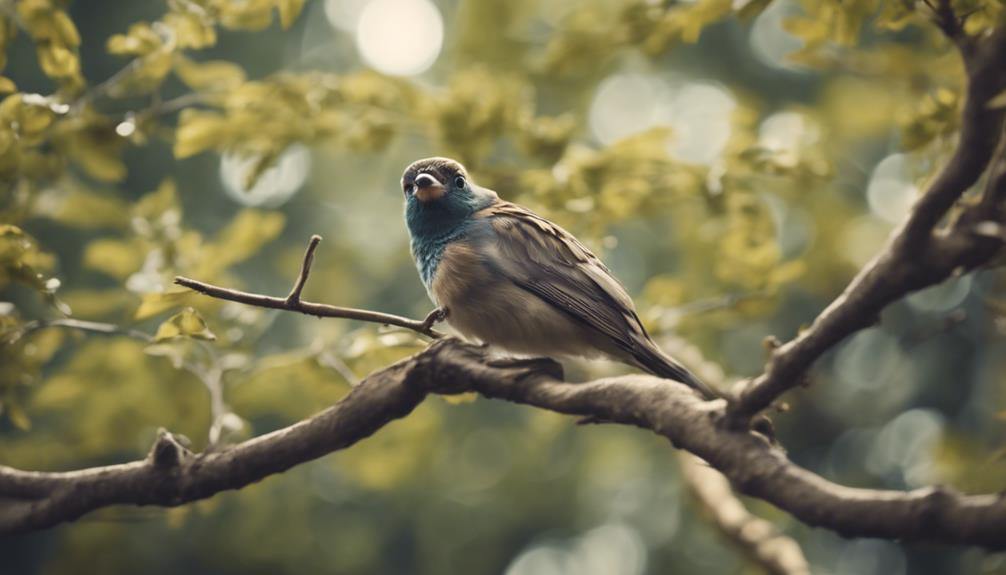

Bird spy cameras are designed to document avian behavior with as little disruption as possible. Their small form factor, automatic recording, low-light performance, outdoor durability, and remote access make them useful for backyard observation, wildlife study, and conservation-related monitoring. The right combination of features can reveal activity that is easy to miss during occasional, in-person viewing.
Discreet, Compact Design
A discreet camera is less likely to alter the behavior it is being used to observe. Bird-focused cameras are often compact and may be designed to blend into natural surroundings, including shapes or finishes that resemble branches, leaves, or other outdoor elements. This allows the device to be positioned near feeding areas, nesting sites, or regular perches without becoming the main focus of the scene.
Small dimensions also make placement more flexible. A compact camera can be installed in locations where a larger security camera would be difficult to conceal or would interfere with the view. When positioning any camera, it is important to avoid blocking an entrance, changing the structure of a nest, or placing the device so close that birds are disturbed.
Motion-Activated Recording
Motion detection allows the camera to begin recording when movement enters its viewing area. Instead of creating long stretches of footage with no activity, the camera can focus storage and battery power on moments when birds are present.
This feature is particularly useful for observing behaviors such as:
- Feeding and visits to a bird feeder
- Nest building and other nesting activity
- Courtship displays and interactions
- Arrivals, departures, and movement around a regular perch
Motion-triggered clips can also make reviewing footage more manageable. Sensitivity and detection range may vary between models, so the camera should be positioned to limit false triggers from moving branches, passing animals, or changing shadows.
Night Vision for Low-Light Activity
Bird activity does not always take place in daylight. Cameras with infrared night vision can record in dim conditions and may continue monitoring after sunset. In low light, footage commonly changes from daytime color imaging to a monochrome view produced with infrared assistance.
Night vision is valuable when the goal is to monitor activity across an entire day rather than only during daylight hours. It can also help reveal visits or movements that would otherwise be difficult to see. Performance depends on the camera and the surrounding conditions, including the available ambient light, the distance to the subject, and the camera’s infrared range.
Weatherproof Construction
Outdoor cameras need protection from rain, humidity, dust, and changing temperatures. Weather-resistant housing helps shield the internal components and supports reliable operation when the device is mounted in a garden, woodland, or other exposed location.
Look for a securely sealed enclosure and materials intended for outdoor use. Weatherproof construction does not mean a camera can be placed anywhere without preparation. Avoid locations where water pools, check that mounting points are stable, and follow the manufacturer’s instructions for protecting connections and power sources. Periodic inspection can also identify moisture, dirt, or damage before it affects recording.
Remote Viewing and Camera Control
Some bird spy cameras support remote viewing, allowing users to check footage or watch a live feed without approaching the observation site. This can reduce the need to repeatedly visit a nest or feeding area and helps preserve a quiet environment for the birds.
Remote control features can provide additional flexibility. Where supported, pan and tilt functions allow the viewing direction to be adjusted from a distance. This can help follow activity across a wider area, although remote movement should be used thoughtfully near nesting birds to avoid unnecessary disturbance or abrupt changes in the camera’s position.
Choosing and Using a Bird Spy Camera
The most useful feature set depends on the location and purpose of the observation. Before installation, consider whether you need daytime or nighttime recording, motion-triggered clips, remote access, or a housing built for continuously exposed outdoor use. Storage capacity, battery life, viewing angle, and mounting options are also practical factors to check in the camera’s specifications.
Used responsibly, a discreet bird camera can provide a detailed record of behavior while allowing people to observe from a respectful distance. Its value comes not only from recording more footage, but from making observation less intrusive and easier to review over time.