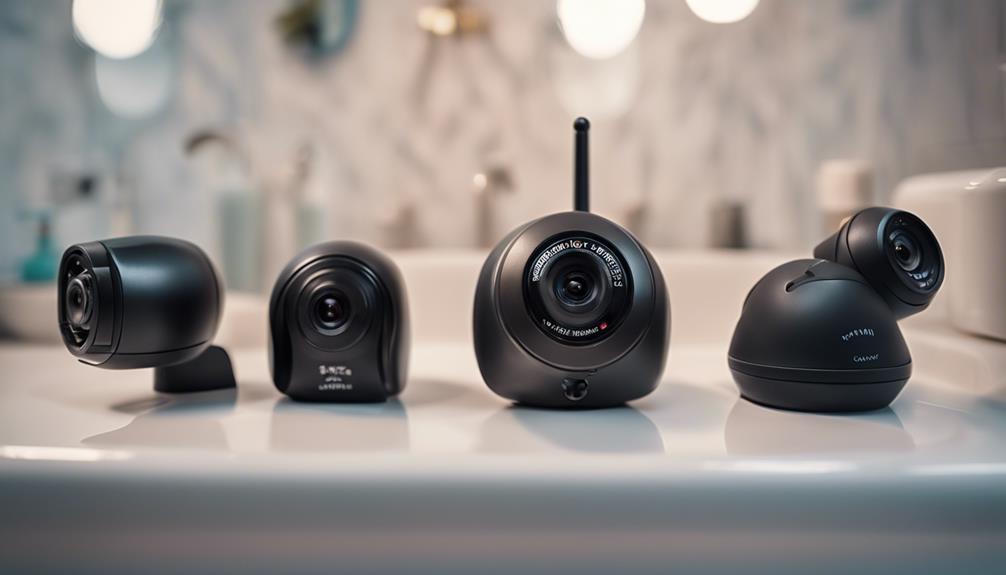

Searching for the smallest spy camera for a bathroom raises an important issue: bathrooms are private spaces where people have a strong expectation of privacy. Hidden recording in a bathroom, toilet area, shower, changing area, or similar location can be unethical and illegal, particularly when people are recorded without their knowledge or consent. For that reason, covert bathroom cameras should not be used for home, rental, workplace, or public-restroom monitoring.
Why hidden bathroom cameras are a serious privacy concern
Devices disguised as chargers, clocks, household objects, or toilet accessories may be marketed as discreet surveillance tools. In a bathroom, however, concealment is precisely what creates the greatest risk. Recording video or audio of guests, family members, tenants, employees, or members of the public without informed consent may violate privacy and surveillance laws, with rules varying by location.
Even when the goal is security, placing a camera inside a bathroom is not an appropriate solution. Do not assume that a small device, motion activation, local memory card, or Wi-Fi connection makes recording lawful. If surveillance is genuinely necessary, obtain qualified legal advice before installing any recording equipment.
Safer ways to protect a bathroom or nearby property
Most security concerns can be addressed without filming anyone in a private space. Consider alternatives that monitor access, the surrounding area, or a specific hazard rather than people while they are using the bathroom.
- Visible cameras outside the bathroom: A clearly disclosed camera can monitor an exterior hallway, entrance, or other non-private area. Aim it narrowly and avoid capturing the inside of the bathroom or changing area.
- Door and entry sensors: Contact sensors can notify you when a door opens without recording personal activity.
- Occupancy or access indicators: A simple occupied/vacant indicator can help manage shared facilities without collecting images.
- Leak and flood sensors: Water sensors under sinks, near toilets, or beside appliances can alert you to leaks while protecting privacy.
- Better locks and lighting: Secure doors, repair faulty latches, and improve lighting outside entrances to reduce unauthorized access.
If you are concerned about a hidden camera
If you suspect that a bathroom contains a concealed camera, avoid dismantling or damaging a device if doing so could destroy evidence. First, leave the space if you feel unsafe and contact the property owner, venue manager, or appropriate authorities. In a private residence, you may also wish to consult a qualified security professional.
A careful visual inspection can include unfamiliar chargers, clocks, vents, smoke-detector-style objects, decorations, or unusual holes with a clear view of the room. Some people use phone-camera checks or radio-frequency detectors, but these methods are not definitive: a device may be wired, inactive, shielded, or designed not to transmit. Professional inspection is more reliable when the stakes are high.
Privacy-respecting camera guidelines
Use cameras only in locations where recording is justified, proportionate, and clearly disclosed. Keep the field of view limited, disable audio when it is unnecessary, secure stored footage, restrict access to authorized users, and set a short retention period. Never place a covert camera in a bathroom, toilet area, shower, changing room, or other space where people reasonably expect privacy.
The smallest camera is not necessarily the best security choice. In or around a bathroom, privacy-safe sensors, visible equipment, and strong physical security provide protection without turning a private space into a recording area.