
Bluetooth-enabled cameras come in many forms, from compact modules to everyday objects designed to blend into a room. They may be useful for personal security, documenting permitted activities, or monitoring property that you own. However, recording people without their knowledge can violate privacy laws and workplace or residential policies. Before using any camera, obtain consent where required, display notices when appropriate, and check local regulations governing audio and video recording.
Bluetooth is generally used for setup, control, or transferring footage to a nearby device. It should not automatically be treated as a long-range remote-viewing connection. Actual capabilities vary by model, so check the manufacturer’s specifications for range, storage, battery life, audio recording, and app support.
1. Mini Bluetooth Camera
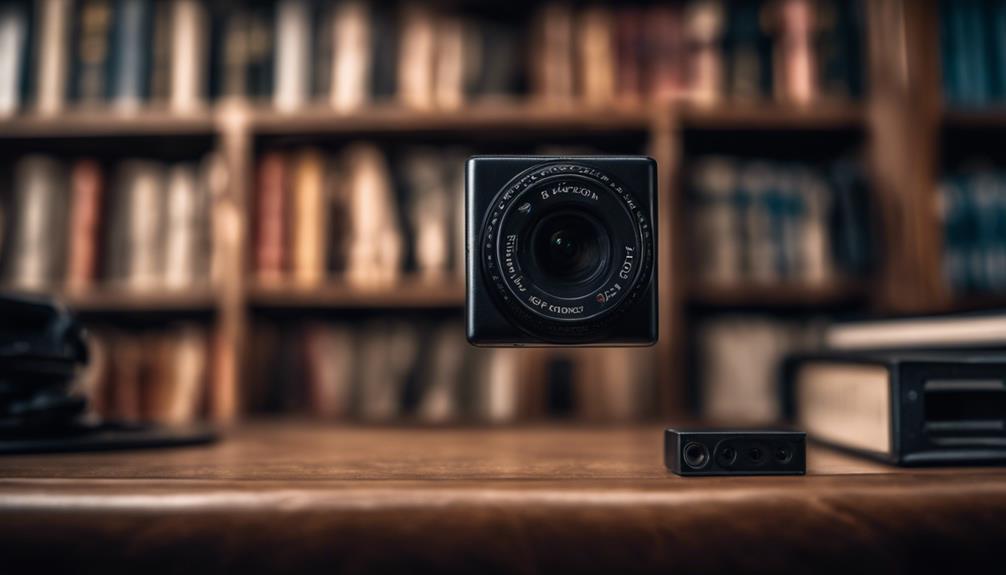
A miniature camera module can be useful when you need a small device for a permitted security or documentation task. Its compact size makes it easier to place on a shelf, inside equipment, or near an entry point on property you control.
- Small form factor for flexible placement
- Wireless setup or control on compatible devices
- Video and, on some models, audio recording
- Rechargeable or replaceable battery options
Because small cameras can be easy to overlook, use clear notice or direct consent whenever other people may be recorded.
2. Camera Pen
A camera pen combines an ordinary writing instrument with a built-in camera. This format may be suitable for recording your own notes, demonstrations, inspections, or interviews when everyone involved understands that recording is taking place.
When comparing models, look for a clearly documented lens position, simple controls, adequate storage, and a design that does not obstruct normal writing. Claims such as night vision, motion detection, or live viewing should be verified rather than assumed, since features differ widely between devices.
3. Alarm Clock Camera
An alarm clock camera is designed to sit on a bedside table, desk, or shelf while serving a normal timekeeping function. It may be considered for monitoring an entrance, a room, or personal belongings in a home or office where recording is permitted.
Important considerations include how the camera is aimed, whether the display remains readable in low light, how footage is stored, and whether the device continues recording when connected to power. Avoid placing any recording device in private areas such as bathrooms or changing spaces.
4. Wearable Camera Glasses or Hat
Wearable cameras can provide a hands-free view for activities such as property inspections, accessibility documentation, training, or personal safety records. Glasses and hats are less intrusive than holding a camera, but their appearance can make it harder for others to know when recording is active.
Choose equipment with an obvious recording indicator when possible, and tell nearby people about the device before capturing conversations or images. Pay particular attention to audio rules, which may be stricter than video rules in some locations.
5. Bluetooth Speaker with Camera
A speaker camera combines ordinary audio playback with a camera housed in the same enclosure. In a lawful, disclosed setting, this type of device can reduce the number of separate gadgets needed for a room or presentation area.
Evaluate the speaker and camera as separate functions. Check sound quality, camera placement, recording controls, battery performance, and whether the device clearly indicates when it is capturing footage. A familiar-looking object should never be used to conceal recording from people who have not agreed to it.
6. Wall Clock Camera
A wall clock camera is intended to resemble a standard timepiece while providing a fixed view of a room. It may be useful for visible, authorized monitoring in a home office, workshop, reception area, or other property where occupants have been informed.
Before installation, consider the camera’s field of view, mounting position, power cable, storage method, and access security. Keep the lens directed only at areas relevant to the stated security purpose, and avoid capturing neighboring properties or private spaces.
7. Portable Bluetooth Camera Module
A portable camera module is a flexible option for short-term inspections, equipment checks, travel documentation, or monitoring personal belongings. Some compact designs can be attached to a keychain, button, or other accessory, while others are intended to stand independently.
Portability is useful, but it also makes battery life, file transfer, physical durability, and accidental activation especially important. Test the controls before use and protect recordings with a secure passcode or storage method.
What to Check Before Choosing One
- Purpose: Select a visible, proportionate setup that matches your legitimate security or documentation need.
- Consent and notice: Confirm that recording is allowed and inform anyone who may be captured.
- Connectivity: Determine whether Bluetooth is used for control, file transfer, or another function.
- Storage: Check memory capacity, file formats, overwrite behavior, and backup options.
- Power: Compare battery runtime, charging time, and whether continuous power is supported.
- Privacy: Restrict the camera’s view, secure the app or files, and delete footage when it is no longer needed.
Final Considerations
Mini cameras, pens, clocks, wearables, speakers, and portable modules each suit different lawful monitoring tasks. The best choice is not necessarily the smallest or least noticeable device; it is the one that meets the security requirement while respecting consent, privacy, and applicable recording rules. Use discreet equipment responsibly, disclose recording when required, and keep captured footage secure.