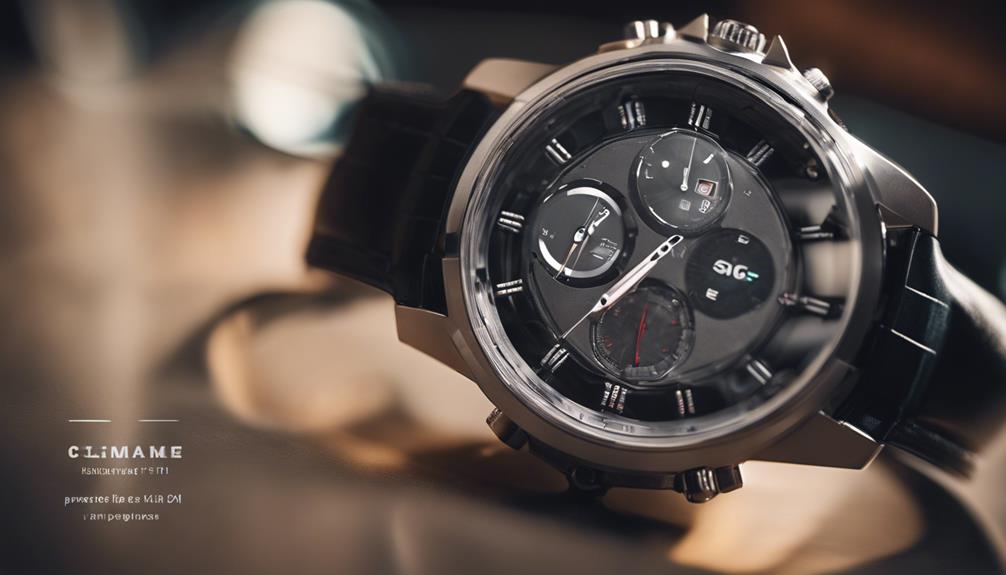

Spy camera watches combine an ordinary-looking timepiece with a small camera and, in some models, audio-recording or file-transfer features. Their appeal is straightforward: the device can be worn on the wrist and used without carrying a separate camera. However, the most important considerations are not just image quality or appearance. Battery life, storage, usability, reliability, and privacy laws all affect whether a camera watch is suitable for a particular purpose.
What to Look for in a Spy Camera Watch
Camera watches vary considerably in design and performance. Before choosing one, consider how and where it will be used, how recordings will be reviewed, and whether the watch can be operated without becoming distracting or obvious.
Camera and video quality
Resolution is only one part of recording quality. A camera may advertise high-definition video, but the final result also depends on lighting, lens placement, stabilization, compression, and the viewing angle. A useful model should produce clear footage in ordinary indoor and outdoor conditions rather than relying solely on impressive specifications.
- Resolution: Higher resolution can preserve more detail, but it usually creates larger files and may use more battery power.
- Frame rate: A higher frame rate can make moving footage look smoother, although it may reduce recording time or increase storage requirements.
- Low-light performance: Check whether the camera produces usable images indoors. Do not assume that “night vision” means clear video in complete darkness.
- Lens position: The camera should have an unobstructed view when the watch is worn naturally. A poorly positioned lens can record the wearer’s sleeve or hand instead of the intended scene.
Recording, Storage, and Battery Life
A camera watch is only useful if it can record for an appropriate amount of time and save the footage safely. Look for simple controls, clear recording indicators, and a dependable method for transferring files to a computer or mobile device.
Storage capacity affects how much footage can be retained before files must be copied or deleted. Video recorded at higher quality consumes storage quickly, so advertised recording times should be treated as estimates. Battery performance can also vary depending on resolution, screen use, wireless connectivity, and motion-triggered recording.
Motion detection may help reduce unnecessary recording and conserve storage, but it is not infallible. It can miss movement, activate because of changes in light, or begin recording after an important event has already started. For important documentation, test the watch in advance rather than relying on this feature without checking its results.
Design and Everyday Usability
The best camera watch is not necessarily the one with the longest feature list. It should be comfortable to wear, easy to charge, and simple to operate. A bulky case, weak strap, noisy buttons, or a difficult file-transfer process can make the device impractical.
- Choose a strap and case that are comfortable for extended wear.
- Check whether the camera remains aligned when the wrist moves.
- Confirm how recording starts and stops, especially if the watch has a small display.
- Review how files are named, transferred, and deleted.
- Look for clear status indicators so you know when recording is active.
Live streaming, wireless transfer, and companion applications may be convenient, but they also introduce additional battery, security, and connectivity concerns. If a model uses an app or wireless connection, protect the account and avoid transferring sensitive footage over unsecured networks.
Privacy and Legal Responsibilities
A discreet camera does not make recording automatically lawful. Rules can differ depending on the country, state, or region, and may cover video, audio, private conversations, workplaces, homes, and public locations separately. Audio recording is particularly sensitive because consent requirements may apply even when a camera is visible or recording video.
Use a camera watch only for legitimate, lawful purposes and follow applicable consent and notice requirements. Do not use it to record people in places where they reasonably expect privacy, to capture confidential conversations without permission, or to monitor someone secretly. When recording at work, in schools, during meetings, or on private property, obtain the necessary authorization first.
How to Choose Responsibly
Start with the intended task rather than the product’s marketing language. For personal documentation where everyone involved understands that recording is taking place, prioritize dependable video, comfortable wear, and straightforward file management. If you need evidence, accurate notes and openly recording with a conventional camera may be more appropriate and less likely to create privacy problems.
Before relying on any camera watch, perform a short test in the same lighting and surroundings where it will be used. Check image framing, sound quality, battery drain, storage capacity, and the process for reviewing files. Treat the device as a compact wearable camera—not as a guaranteed surveillance solution—and use it with respect for consent, privacy, and local law.