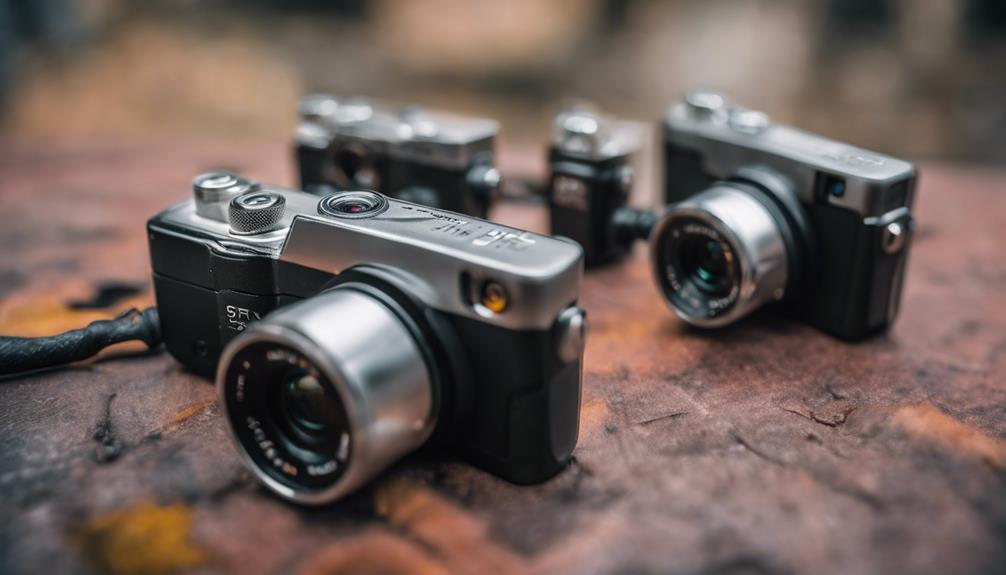

Micro HD spy cameras are designed for situations where a small footprint and discreet appearance matter. Their compact size can make them useful for observing an entrance, checking on property, documenting an area, or monitoring a space while you are nearby or away. However, a camera should be used responsibly: record only where you have permission, respect privacy, and check local rules before capturing video or audio.
Rather than choosing a camera based on size alone, compare the features that affect image quality, reliability, setup, and everyday use. The following seven categories provide a practical starting point.
1. Video resolution and image quality
HD recording can make footage easier to review, especially when you need to identify a person, object, or event. Look for clear image quality in both well-lit and dim environments. Resolution is only one part of the result; lens quality, image processing, and the camera’s field of view also influence how useful the footage will be.
2. Low-light and night recording
If the camera may operate in the evening or in rooms with limited lighting, check whether it includes night vision or another low-light mode. Ask how far the camera can see in darkness and whether the image remains detailed enough for your purpose. A wide viewing angle may cover more of a room, while a narrower angle can provide more detail in a specific area.
3. Local storage and recording options
Micro cameras may record to internal memory, a removable memory card, or another connected device. Local recording can be useful when an internet connection is unavailable, but storage capacity determines how long footage can be retained. Check whether the camera records continuously, saves clips when motion is detected, or requires manual activation.
4. Wireless viewing and remote access
Wireless connectivity can allow live viewing from a smartphone or computer, depending on the camera’s design and companion software. Remote access is convenient for checking a property or receiving an alert, but it also introduces security considerations. Use strong, unique account credentials, keep software updated when updates are provided, and avoid exposing a camera to the internet unnecessarily.
5. Motion detection and alerts
Motion detection can reduce the amount of empty footage and make important clips easier to find. Some systems can send an alert when movement is detected, while others simply begin recording. Before relying on this feature, consider false alarms caused by pets, changing light, moving curtains, or activity outside the intended area.
6. Battery life and power
A pocket-sized camera may be easy to position, but its operating time depends on battery capacity, recording resolution, wireless use, and motion-alert settings. For temporary monitoring, a rechargeable battery may be sufficient. For longer sessions, continuous power may be more practical. Make sure cables and power adapters can be installed safely without creating a trip or fire hazard.
7. Size, placement, and everyday practicality
Small cameras can be placed in more locations than larger security devices, but concealment should never be used to bypass someone’s reasonable expectation of privacy. Choose a stable position with a clear view and avoid bedrooms, bathrooms, changing areas, or other private spaces. A camera that is easy to position, start, recharge, and retrieve is generally more useful than one that is merely smaller.
Responsible use matters
Before recording, confirm that you are allowed to monitor the location and inform people when disclosure or consent is required. Audio recording may be subject to additional restrictions. Store footage securely, limit access, and delete recordings that are no longer needed. If the purpose is home or office security, visible placement and clear notice can often provide protection without creating unnecessary privacy concerns.
How to choose a micro HD camera
Start with the situation you need to cover: indoor or outdoor use, daytime or low light, short-term or extended recording, local storage or remote viewing. Then compare video quality, power options, motion detection, wireless security, and ease of use. The best micro HD camera is not necessarily the smallest model; it is the one that records reliably, protects the footage, and fits the legal and ethical requirements of your monitoring task.