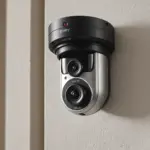

A building video surveillance system can improve awareness, support incident investigations, and help security teams respond more effectively to problems. Its value depends less on the number of cameras than on thoughtful planning: each device should serve a defined purpose, produce usable footage, and operate within clear legal and privacy boundaries. For comprehensive building coverage, consider covert monitoring techniques that integrate discreet devices into existing surveillance networks.
Start with security and operational goals
Before selecting equipment, identify what the system needs to accomplish. Common objectives include deterring unauthorized access, documenting incidents, monitoring entrances, protecting valuable equipment, and supporting responses to safety emergencies. Building managers may also use video to understand activity in shared spaces or investigate reported damage and maintenance concerns.
Different objectives require different designs. A camera intended to identify a person entering through a doorway may need a narrower, more detailed view than one used to observe activity across a lobby. Define the required coverage, lighting conditions, viewing distance, and recording schedule before choosing cameras or storage.
Plan coverage around people, assets, and access points
Effective placement begins with a review of how people and materials move through the property. Typical areas for consideration include:
- Main entrances, reception areas, and other public access points
- Loading docks, delivery entrances, and service doors
- Parking areas, garages, and paths leading into the building
- Elevator lobbies, stairwell entrances, and high-traffic corridors
- Storage rooms, equipment areas, and other locations containing valuable property
- Restricted zones where access should be verified or investigated after an alert
Check each proposed camera view for obstructions, glare, backlighting, and blind spots. Entrances often require attention to faces and access activity, while larger common areas may benefit from broader coverage. Cameras should be mounted and protected in ways that reduce tampering without creating unnecessary surveillance of private activities.
Use visible surveillance as the default
Visible cameras and clear notices can communicate the purpose of monitoring and help establish consistent expectations for occupants, employees, visitors, and contractors. Concealed-camera applications present additional legal and ethical risks and should not be treated as a routine substitute for properly placed visible equipment.
Any covert monitoring should be considered only for a specific, documented purpose and reviewed by appropriate legal or compliance personnel. Cameras must not be placed in areas where people reasonably expect privacy, such as restrooms, changing areas, or similar personal spaces. Local rules may also govern consent, employee monitoring, audio recording, notice requirements, and access to recorded material.
Connect video with access and alarm systems
Surveillance becomes more useful when it is coordinated with other building systems. For example, an access-control event or forced-door alarm can direct an operator to the relevant camera view and help narrow the time period for review. Connections with alarms, intercoms, or building management tools should be designed around practical workflows rather than added simply because integration is available. A four-camera wireless setup can simplify coverage planning when building a scalable video surveillance system.
Define who receives alerts, which events require immediate action, and how incidents are escalated. Too many poorly configured notifications can overwhelm operators and reduce the value of genuine warnings.
Protect recordings and control retention
Video footage should be treated as sensitive business information. Establish written rules covering storage, retention, access, disclosure, deletion, and preservation of footage related to an investigation. Keep recordings long enough to meet documented operational or legal needs, but avoid retaining them indefinitely without a clear reason.
Access should be limited to authorized personnel, with account permissions and audit records reviewed regularly. Encryption, secure authentication, software updates, and protected network design can reduce the risk of unauthorized access. Whether footage is stored locally, at the network edge, or through a cloud service, the organization should understand how copies are created and recovered if equipment fails.
Make the system useful during investigations
Good image quality is only part of an effective surveillance program. Consistent time settings, searchable recordings, meaningful camera names, and documented procedures make footage easier to locate and interpret. When an incident occurs, preserve relevant files in their original form, record who handled them, and follow established procedures for sharing or exporting evidence.
Staff who review video should know how to protect sensitive information, limit unnecessary disclosures, and document their actions. If footage may support legal proceedings, obtain guidance on preservation and chain-of-custody requirements.
Maintain and reassess the system
Regular inspections should check camera alignment, focus, lighting, connectivity, storage capacity, and recording status. Firmware and other system components should be updated through a controlled process. Test alarms and integrations instead of assuming they continue to work after building or network changes.
Reassess coverage whenever the property’s layout, tenants, access patterns, or security risks change. A well-managed building video surveillance program combines purpose-driven placement, secure data practices, trained operators, and ongoing privacy oversight. That approach supports safety and accountability without turning surveillance into an unmanaged collection of personal information.