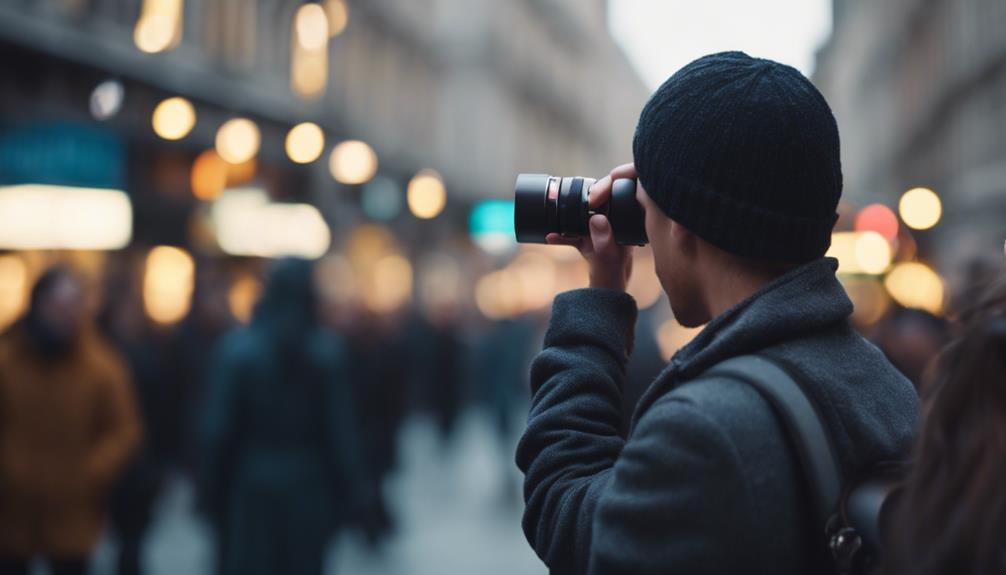

A button spy camera is designed for situations where a conventional camera would be too visible or impractical. Its small, clothing-friendly form can make recording equipment less conspicuous while still providing video and audio capture in a portable package. Depending on the model, users may also benefit from selectable recording modes, low-light support, and simple controls.
These features can be useful for legitimate personal-safety, documentation, and security purposes. However, recording people without their knowledge may be restricted by privacy and consent laws. Before using any discreet recording device, check the rules that apply where you live and obtain permission whenever required.
Discreet and Portable Design
The main reason people consider a button-style camera is its compact design. Instead of carrying a larger handheld camera, the user can wear or position a small device that is less visually prominent. This can be helpful when overt filming would be distracting, uncomfortable, or unsuitable for the setting.
A discreet camera can also be easier to carry during safety-related documentation or field work. Its small size may allow it to fit naturally with everyday clothing or accessories, although the exact appearance, attachment method, and level of concealment vary by product.
Video Recording for Clear Documentation
Video quality is an important consideration when choosing any compact recording device. Clear footage can make it easier to review events, identify relevant details, and understand what happened. When comparing button cameras, look at the recording resolution, image stability, field of view, storage method, and battery performance rather than focusing only on the camera’s size.
Lighting also affects the usefulness of recorded footage. Some models include a low-light or night-vision mode, which may help in darker surroundings. This feature does not guarantee perfectly clear images in every environment, so it is still important to consider where the camera will be used and how much available light can be expected.
Audio Recording and Microphone Performance
Video provides visual context, but audio can add important information about conversations and surrounding activity. A button camera with an integrated microphone may record sound alongside the video, creating a more complete record of an event.
Audio quality depends on factors such as microphone sensitivity, distance from the sound source, wind, room acoustics, and background noise. Some devices advertise noise-reduction features that may improve intelligibility, but no microphone can remove every unwanted sound. If audio matters as much as video, review the camera’s microphone specifications and test recordings before relying on it for important documentation.
Simple Controls for Quick Recording
A discreet recording device is most useful when it can be operated without a complicated setup. Straightforward controls can make it easier to start, stop, or check recording status quickly. This is particularly valuable when the user needs to concentrate on an unfolding situation rather than manage several technical settings.
Before use, become familiar with the device’s controls, charging process, storage capacity, and file-transfer method. A short test can confirm that the camera is recording properly, that the lens is unobstructed, and that the microphone is capturing usable sound.
Recording Options for Different Situations
Button cameras may offer several ways to manage recordings. Depending on the model, available options can include:
- Different video resolutions or frame rates for balancing image quality and storage use
- Continuous recording for an uninterrupted record of an event
- Motion-activated recording to reduce unnecessary footage
- Low-light or night-vision support for darker environments
- Separate audio or video settings to suit the intended use
These options can affect battery life, file size, and the amount of footage that must be reviewed. Choose settings based on the situation rather than automatically selecting the highest available quality.
What to Check Before Buying
A compact appearance is only one part of the decision. Consider whether the camera offers adequate battery life, dependable storage, easy file access, suitable image quality, and reliable audio capture. It is also worth checking how the device attaches to clothing or another surface and whether its design is practical for extended use.
Most importantly, use a button camera responsibly. Do not place it in private spaces or use it to record people unlawfully. When used with appropriate consent and within applicable regulations, a discreet camera can provide a convenient way to document events while keeping the equipment portable and unobtrusive.