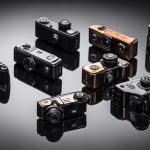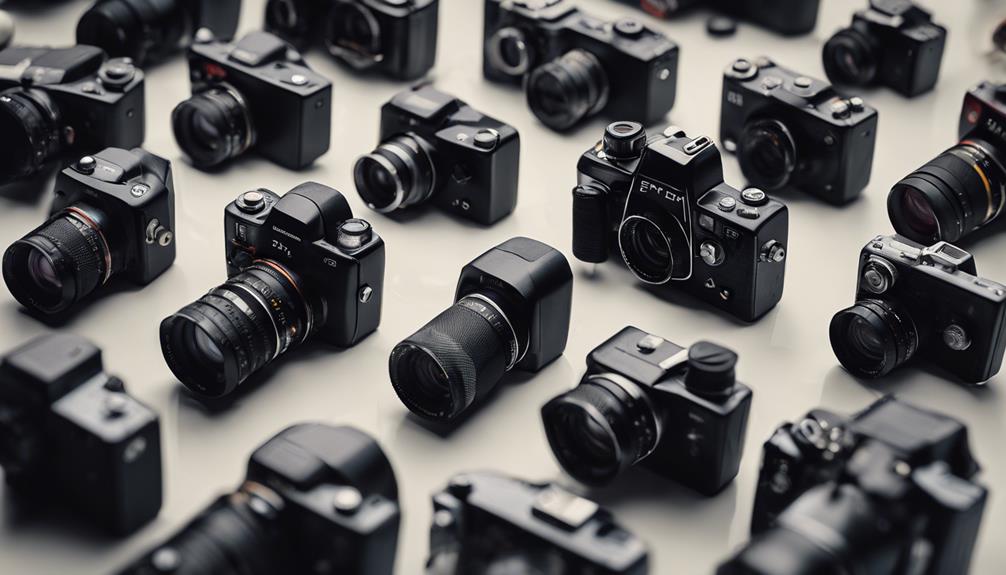

Spy cameras come in many forms, from compact standalone devices to cameras built into familiar everyday objects. The right choice depends on where recording will take place, how visible the device can be, whether remote viewing is needed, and how much battery or storage capacity is required.
Before using any camera, check applicable laws and obtain consent where required. Recording people without their knowledge may be restricted, especially in private spaces or when audio is captured. These products should be used responsibly for legitimate security, documentation, or monitoring purposes.
1. Mini Spy Camera
A mini spy camera is designed for situations where a small footprint matters. Typical features may include high-definition video, audio recording, motion detection, night vision, and Wi-Fi connectivity. Its compact design can make it easier to position discreetly, but small cameras may also have limited battery life and storage capacity. Check how footage is saved and whether the device needs a constant power source.
2. Hidden Camera Pen
A camera pen combines a writing instrument with a small recording device. It can be convenient for brief, portable recordings and usually operates with a simple button control. When comparing models, pay attention to video clarity, audio performance, recording duration, charging time, and whether the pen remains practical to use as a writing tool. Its usefulness is limited if the camera lens is easily obstructed by clothing or hand placement.
3. Wireless Spy Camera
Wireless models offer more flexible placement than traditional wired cameras. Depending on the device, wireless connectivity may support remote viewing, live streaming, motion alerts, or access through a phone or computer. Night vision can help in low-light environments, while motion-triggered recording may reduce unnecessary files. A stable network connection, secure password, and reliable power supply are important considerations.
4. USB Charger Camera
A USB charger camera is built into a charger-style housing and is intended to blend into an ordinary setting. Commonly promoted features include motion detection and loop recording. Motion detection can help focus storage on activity, while loop recording overwrites older files when available space runs out. Confirm that the charger is safe, compatible with the intended outlet, and legally appropriate for the location where it will be used.
5. Clock Camera
Clock cameras integrate recording hardware into a clock enclosure, making them suitable for rooms where a clock would not look unusual. Their main appeal is a familiar form factor rather than portability. Buyers should assess image quality, viewing angle, low-light performance, storage method, and whether the clock functions properly when the camera is not recording.
6. Smoke Detector Camera
A smoke-detector-style camera is designed to resemble a standard safety device. While this can provide a discreet appearance, it must never interfere with a real smoke detector’s operation or replace required safety equipment. Look for clear recording, motion detection, and dependable power. Because these devices may be installed in shared or private areas, privacy and disclosure requirements deserve particular attention.
7. Picture Frame Camera
A picture frame camera incorporates recording into wall or shelf decor. It can be useful when a permanent-looking installation is preferred. Motion detection may start recording when activity occurs, and night vision can extend coverage into darker conditions. Before choosing one, consider the frame’s placement, camera angle, cable management, storage limits, and whether the device can be identified or accessed easily for maintenance.
8. Keychain Camera
Keychain cameras prioritize portability. Their small size makes them convenient to carry, although that often means shorter recording times and smaller batteries than larger cameras. Useful features may include motion detection, audio recording, night vision, and removable or internal storage. Accessories such as a protective case or small stand can improve handling, but they should not obstruct the lens or microphone.
9. Glasses Camera
Glasses cameras record from a first-person viewpoint and may be presented as sunglasses or ordinary eyewear. This perspective can be useful for hands-free documentation, but it also creates significant privacy concerns because people may not realize they are being recorded. Consider comfort, lens placement, recording controls, battery life, and how easily files can be transferred. Use wearable cameras only where recording is permitted and appropriate.
10. Button Camera
A button camera is intended to be worn on clothing for hands-free video capture. It may suit documentation tasks where carrying a conventional camera is impractical. Important checks include image stability, lens alignment, audio quality, battery duration, and secure handling of recorded files. Password protection, encryption, and regular backups can help protect sensitive footage, when those features are available.
How to Choose Responsibly
- Recording purpose: Choose a design that fits legitimate security or documentation needs rather than focusing only on concealment.
- Power and storage: Compare battery duration, charging requirements, memory capacity, and loop-recording behavior.
- Lighting: Night vision and low-light performance vary, so consider the actual environment.
- Connectivity: Wireless viewing can be convenient, but it requires secure network and account settings.
- Privacy: Follow local rules, respect private spaces, and avoid recording audio or people without the required permission.
The best option is not necessarily the smallest camera. Reliability, clear footage, secure storage, suitable power, and lawful use matter more than an inconspicuous design alone.