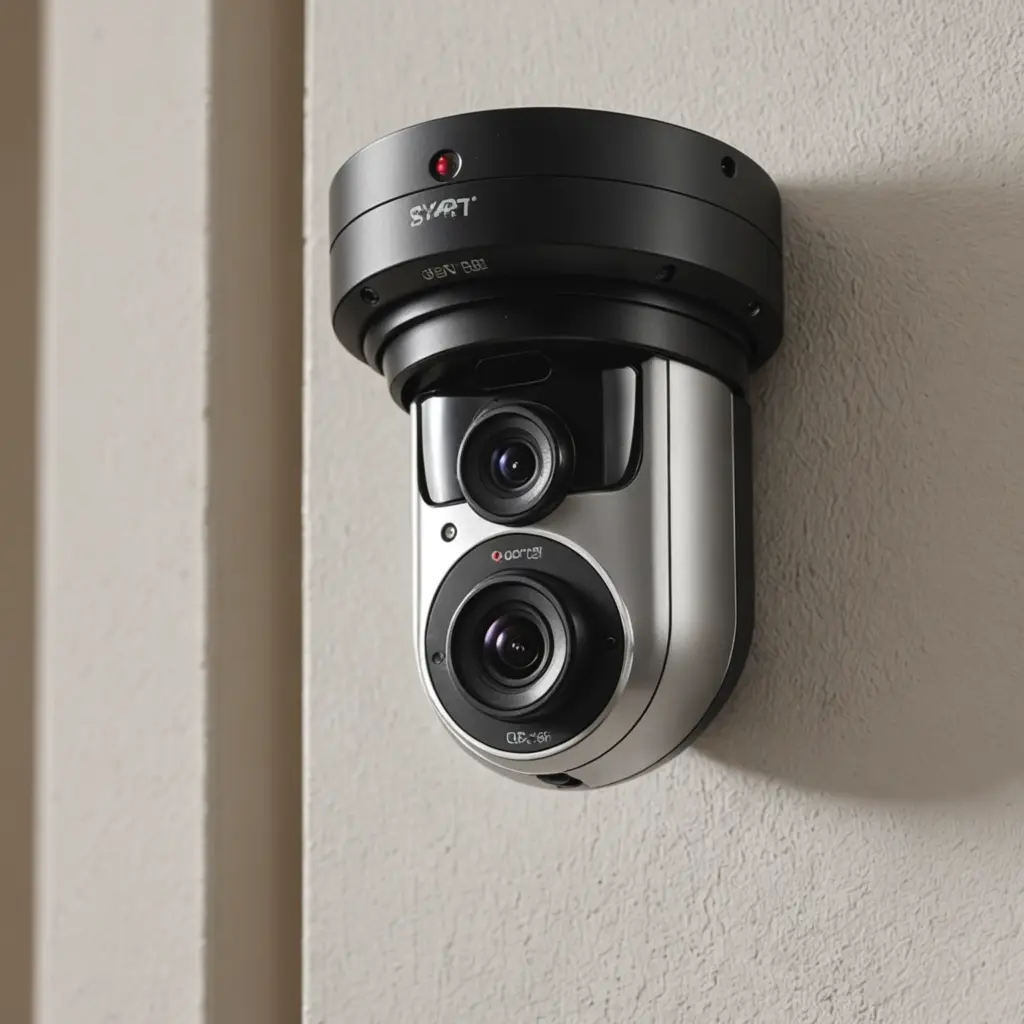

Moisture is one of the biggest risks for any camera installed outdoors or in a damp environment. Rain, splashes, humidity, condensation, and exposure to salt water can damage electronics, cloud the lens, and shorten the useful life of a device. A waterproof camera video system is designed to reduce those risks while continuing to capture usable footage in changing conditions. Learn how waterproof casing options affect durability and image quality in covert surveillance feature design.
The right choice depends on more than a waterproof label. Protection rating, housing construction, image quality, power, storage, installation, and legal requirements all affect how well a camera performs in the real world.
Why waterproof protection matters
Outdoor cameras may be exposed to heavy rain, wind-driven moisture, fog, or accidental splashes. Even when water does not enter the housing immediately, repeated humidity and temperature changes can affect circuit boards, connectors, batteries, and image sensors.
A properly sealed camera can help reduce maintenance and protect equipment left in places such as porches, gardens, boats, docks, or other exposed locations. Waterproof protection is also useful for wildlife observation and temporary monitoring where the equipment cannot be checked frequently.
Understanding IP ratings
IP ratings provide a standard way to describe protection against dust and water. Common ratings for outdoor cameras include IP65, IP67, and IP68. The water-resistance portion of the rating indicates the type and degree of exposure the device is designed to withstand under specified test conditions.
- IP65: Suitable for protection against water jets and outdoor weather, but not intended for immersion.
- IP67: Designed to withstand temporary immersion under the conditions specified by the manufacturer.
- IP68: Intended for more demanding immersion protection, with the permitted depth and duration defined by the manufacturer.
An IP rating is useful, but it is not a guarantee that a camera will remain sealed forever. Gaskets, lens seals, battery covers, cable glands, and connector doors can wear or become damaged. Salt water is particularly demanding because it can accelerate corrosion, so equipment used near the sea may require suitable materials and additional cleaning.
Features to evaluate beyond the housing
Water resistance only protects the camera; it does not ensure that the recorded video will be useful. Evaluate the complete system before choosing a device.
- Image resolution: Higher resolution can make details easier to identify, provided the lens and lighting are also suitable.
- Low-light performance: Infrared illumination or a capable low-light sensor may be important for nighttime recording.
- Dynamic range: This can help preserve detail when bright sky and darker foreground areas appear together.
- Motion detection: Event-based recording can reduce storage use and conserve battery power.
- Storage: Check whether the camera uses removable storage, local recording, cloud backup, or a combination of these options.
- Power: Sealed batteries are convenient for temporary installations, while wired power is better suited to continuous operation when weatherproof cabling is available.
- Size and mounting: Compact housings are easier to position discreetly, while larger outdoor cameras may offer sturdier mounts and more adjustment options.
Common applications
Waterproof camera video equipment can support outdoor home security around entrances, driveways, yards, and outbuildings. It can also be used to observe docks, boats, and waterfront property where splashes and humidity are unavoidable. For discreet outdoor monitoring, a waterproof audio tracker can complement video equipment with location-aware listening.
For wildlife monitoring, a small weather-resistant camera can be positioned near water sources or in garden areas without requiring constant supervision. Commercial, industrial, and construction locations may also benefit from moisture-resistant equipment where dust, rain, or damp working conditions could affect ordinary indoor devices.
When a camera is intended for covert or discreet use, its small size should not take priority over safe installation, reliable recording, and lawful use. A concealed device still needs adequate protection for its environment and a clear, unobstructed view.
Installation and maintenance
Correct installation is essential to preserving water resistance. Mount the camera without twisting or stressing the housing, and inspect seals before closing access panels. Keep O-rings clean and use silicone grease only when the manufacturer recommends it. Cable connections should use weatherproof connectors or watertight junctions rather than improvised coverings.
Condensation can develop inside a sealed housing when equipment moves quickly between warm and cold conditions. Allowing the camera to acclimate can help reduce this risk. After exposure to salt water, follow the manufacturer’s cleaning instructions; rinsing with fresh water and drying the exterior may help limit corrosion when appropriate.
Legal and practical considerations
Surveillance laws vary by location. Privacy expectations, audio recording rules, and restrictions on recording private areas should be considered before installation. Use cameras only for legitimate purposes, avoid areas where people reasonably expect privacy, and disable audio recording when it is not necessary or legally permitted.
Choosing the right waterproof camera
Start by identifying the environment: occasional rain, constant outdoor exposure, splashing, or possible immersion. Then match the protection rating and housing materials to that risk. Compare image quality, night performance, storage, power, mounting, and maintenance requirements as part of the same decision.
A well-matched waterproof camera video system can provide dependable footage in moisture-prone locations, but its performance depends on the entire installation. Selecting suitable equipment, protecting cable connections, maintaining seals, and using the camera responsibly are all necessary for reliable long-term results.