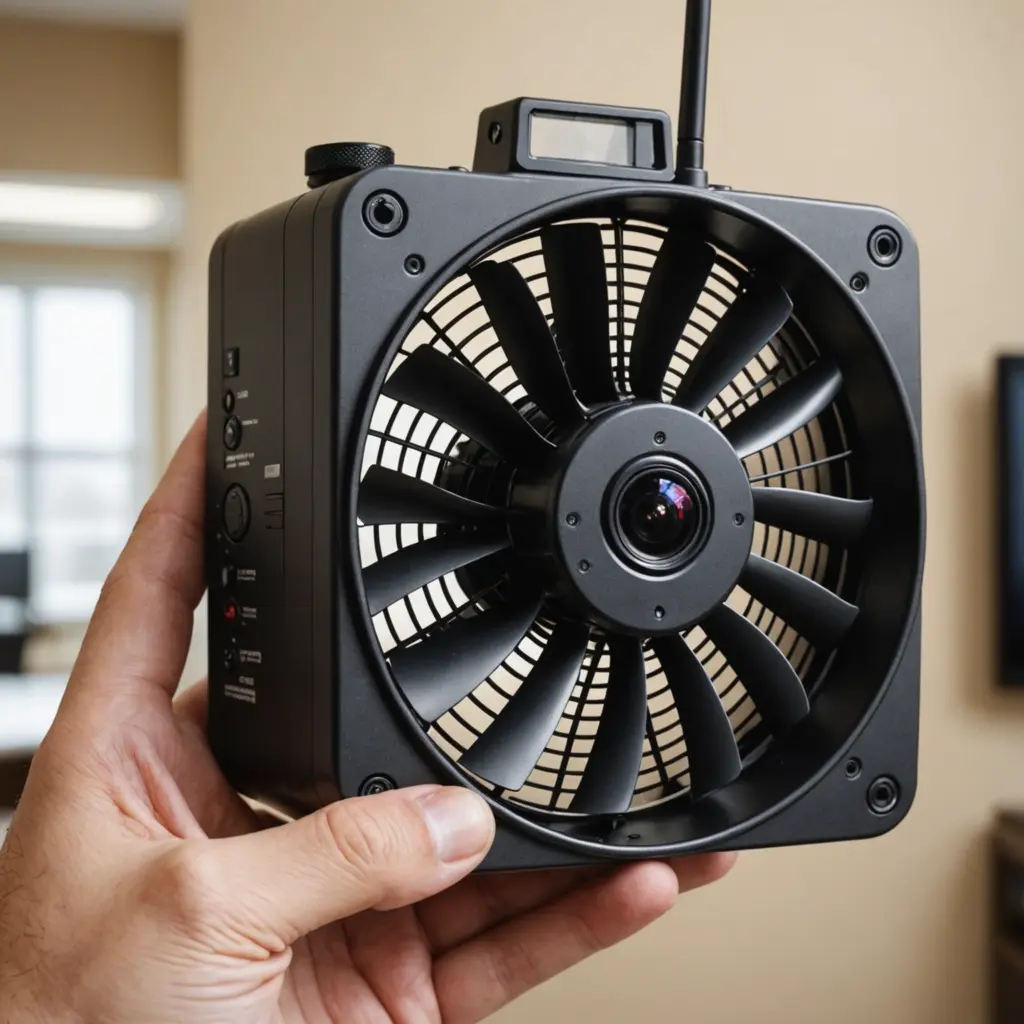

A motion sensor security system combines movement detection with a camera, alarm, light, or mobile notification. Instead of recording continuously, the system can respond when activity is detected, helping reduce unnecessary footage and making important events easier to find. Integrating motion sensor security systems with covert recording applications can improve incident detection and evidence collection reliability.
These systems can be useful for monitoring entrances, garages, stockrooms, and unoccupied properties. When a camera is placed discreetly, however, privacy and legal responsibilities become especially important. The goal should be focused, proportionate security—not recording people where they reasonably expect privacy.
How motion detection works
A motion detector identifies a change in its surroundings and sends a signal to another device. Depending on the equipment, that signal may start a recording, save a video clip, activate a light, sound an alarm, or send an alert to a phone.
Common sensor technologies
- Passive infrared (PIR): Detects changes in infrared energy, often caused by a moving warm body. PIR sensors are widely used in residential security equipment.
- Microwave sensors: Use radio waves to detect movement and can be useful in some larger or more specialized installations.
- Dual-technology sensors: Combine two detection methods to help reduce false triggers, depending on the design and installation.
- Camera-based detection: Uses the camera’s image to identify movement. Performance can vary with lighting, shadows, weather, and the software’s settings.
A sensor’s detection range and reliability depend on its technology, placement, sensitivity, and surrounding conditions. No motion detector is completely immune to false alarms, so testing and adjustment are essential.
Using motion sensors with cameras
Some cameras include a built-in motion sensor, while others connect to a separate detector through a cable, wireless hub, or security platform. An integrated camera is usually simpler to install. A separate sensor may provide more flexibility when one detector needs to trigger several cameras or cover an area that is difficult for the camera itself to monitor.
Motion-triggered recording can provide shorter, more useful clips than continuous recording. Many systems can also add a brief pre-event period, where supported, so the recording includes activity immediately before the trigger. Storage options may include a memory card, a local recorder, network storage, or a cloud service. Each option has different implications for capacity, access, reliability, and privacy.
Practical applications
A motion sensor security system can support a variety of legitimate monitoring needs:
- Watching exterior doors, driveways, garages, and other access points.
- Receiving an alert when movement occurs in an unoccupied property.
- Recording after-hours activity in a small business or storage area.
- Monitoring equipment, inventory, or restricted areas where access is authorized.
- Reducing the amount of footage that must be reviewed after an incident.
For homes and businesses, visible security equipment can act as a deterrent and makes the purpose of monitoring clear. If a camera must be placed discreetly for a legitimate reason, its use should still comply with applicable law and the expectations of everyone being recorded. Pair motion sensors with compact surveillance cameras to monitor confined areas and verify activity more reliably.
Installation and setup tips
Good placement often matters as much as the sensor’s specifications. Position a PIR sensor across the likely path of movement rather than pointing directly toward it, where appropriate for the device. Avoid aiming sensors at radiators, heating vents, bright sunlight, or rapidly changing outdoor conditions, since these can contribute to unwanted triggers.
For cameras, choose an angle that clearly covers the relevant entrance or area without capturing more of a person’s private activity than necessary. Before relying on the system, test it during daytime and nighttime conditions and walk through the expected detection zones.
- Adjust sensitivity and detection zones to exclude roads, trees, or other sources of repeated movement.
- Check night vision and low-light performance after dark.
- Confirm that alerts arrive reliably on the intended devices.
- Use strong passwords and restrict account access to authorized users.
- Keep cameras, hubs, and related software updated when updates are available.
- Check batteries, cables, storage capacity, and network connectivity regularly.
Privacy, consent, and responsible use
Recording laws differ by location, and requirements may also vary between homes, rental properties, workplaces, and care settings. Areas such as bathrooms, changing rooms, and bedrooms generally involve a particularly high expectation of privacy and should not be monitored without a clear lawful basis and appropriate consent.
Before installing a camera, consider who may be recorded, whether notice or consent is required, how long footage will be retained, and who can view it. In shared homes, rented spaces, workplaces, or childcare environments, communicate the monitoring arrangement clearly and follow any applicable rules. Limit recording to what is necessary, protect stored footage, and delete it when it is no longer needed.
Choosing a suitable system
The right setup depends on the area being monitored and the response you need. A compact wireless camera with built-in motion detection may be suitable for a single entry point. A larger property may benefit from separate sensors, a central hub, and multiple cameras that can respond to the same event.
When comparing systems, consider detection performance, night vision, alert controls, recording methods, power requirements, local or cloud storage, two-way audio, and the security of the associated account. A well-configured motion sensor security system should capture relevant events reliably while limiting false alarms, unnecessary footage, and intrusion into personal privacy.