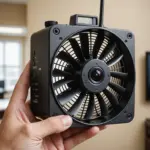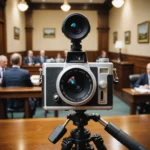

A hidden camera and voice recorder combines video and audio capture in a compact device. These products may be considered for legitimate purposes such as property monitoring, documenting incidents, or observing activity in areas where recording is lawful. Because they can capture people without their immediate awareness, choosing and using one requires careful attention to privacy, security, and local recording laws. If you work with hidden camera and voice recorder setups, review covert recording features to improve reliability and concealment.
What these devices typically include
Most combined audio-video recorders contain a small image sensor, microphone, processor, storage system, and power source. Some are designed as standalone units that save files locally, while others connect to Wi-Fi for alerts, remote viewing, or backup. The hardware may be built into an ordinary-looking object, but the appearance of the device should never be used to justify recording where people reasonably expect privacy.
Common recording modes include:
- Continuous recording: Captures footage for as long as power and storage are available.
- Motion-activated recording: Starts when movement is detected, helping conserve battery and storage.
- Scheduled recording: Operates during selected periods rather than throughout the day.
- Loop recording: Replaces older files when storage becomes full.
Important features to compare
Video and audio quality
Resolution affects how clearly a recording shows faces, objects, and other details. A higher specification does not automatically guarantee useful footage, since lighting, camera placement, movement, and lens quality also matter. For sound, consider microphone sensitivity, background-noise handling, and whether voices remain understandable at the intended distance. Test both components before relying on the device.
Power and storage
Battery-powered models are easier to place but may operate for only a limited period before recharging. Mains-powered equipment can support longer recording sessions, provided the installation is lawful and appropriate. Check whether the device uses internal memory, a microSD card, or another storage method, and determine how much footage it can retain before files are overwritten.
Connectivity and access
Local storage avoids the need for an internet connection and can reduce exposure to remote attacks. Wi-Fi models may provide motion notifications, live viewing, or remote file access, but these conveniences introduce additional security responsibilities. Review the manufacturer’s access controls, encryption options, update process, and data-storage practices before connecting a device to a network.
Legitimate applications
Audio and video recording can be useful when both context and sound are relevant. Examples may include monitoring a property for safety concerns, documenting an incident where recording is permitted, or supervising a space under a clearly defined workplace or household policy. Researchers and wildlife observers may also use compact equipment where it does not disturb the environment or violate access rules.
Recording should be limited to a specific, lawful purpose. It should not extend into areas such as bathrooms, changing rooms, or other places where privacy is expected. Workplace use may require notice, consent, or a documented monitoring policy, depending on the location and circumstances. For broader visual inspiration, explore action camera photos alongside discreet recording techniques.
Legal and ethical boundaries
Audio-recording and surveillance rules differ between jurisdictions. Some places require the consent of everyone taking part in a conversation, while others apply different standards to audio and video. A device that is legal to own may still be unlawful to use in a particular situation. Before recording, confirm the applicable rules and seek legal advice when the purpose, location, or consent requirements are uncertain.
Responsible use also means informing people when notification is required, collecting only necessary footage, controlling who can access it, and deleting recordings when they are no longer needed. Avoid using a hidden recorder to harass, intimidate, secretly monitor private conversations, or obtain information without a legitimate basis.
Protecting recordings and the device
Connected recording equipment can create a security risk if its account or network is poorly protected. Change default passwords, use strong unique credentials, enable two-factor authentication when available, and install firmware updates from the manufacturer. If possible, place internet-connected devices on a separate network from computers and other sensitive equipment.
- Restrict access to the recording app and stored files.
- Check that date and time settings are accurate before use.
- Test video, audio, motion detection, and file playback regularly.
- Inspect batteries, cables, and storage cards for signs of failure.
- Securely erase recordings before selling, transferring, or disposing of the device.
Making a sensible choice
Start with the lawful purpose, recording duration, lighting conditions, sound requirements, and available power. A short-term situation may call for local storage and a rechargeable battery, while longer monitoring may require continuous power and carefully controlled access. Avoid selecting a product solely because it is small or difficult to notice; reliability, privacy safeguards, and transparent operation are more important.
A hidden camera and voice recorder can support legitimate documentation when used proportionately and securely. Understanding the device’s limitations, protecting recorded data, and respecting consent and privacy will help ensure that the technology serves a valid purpose without creating unnecessary legal or ethical harm.