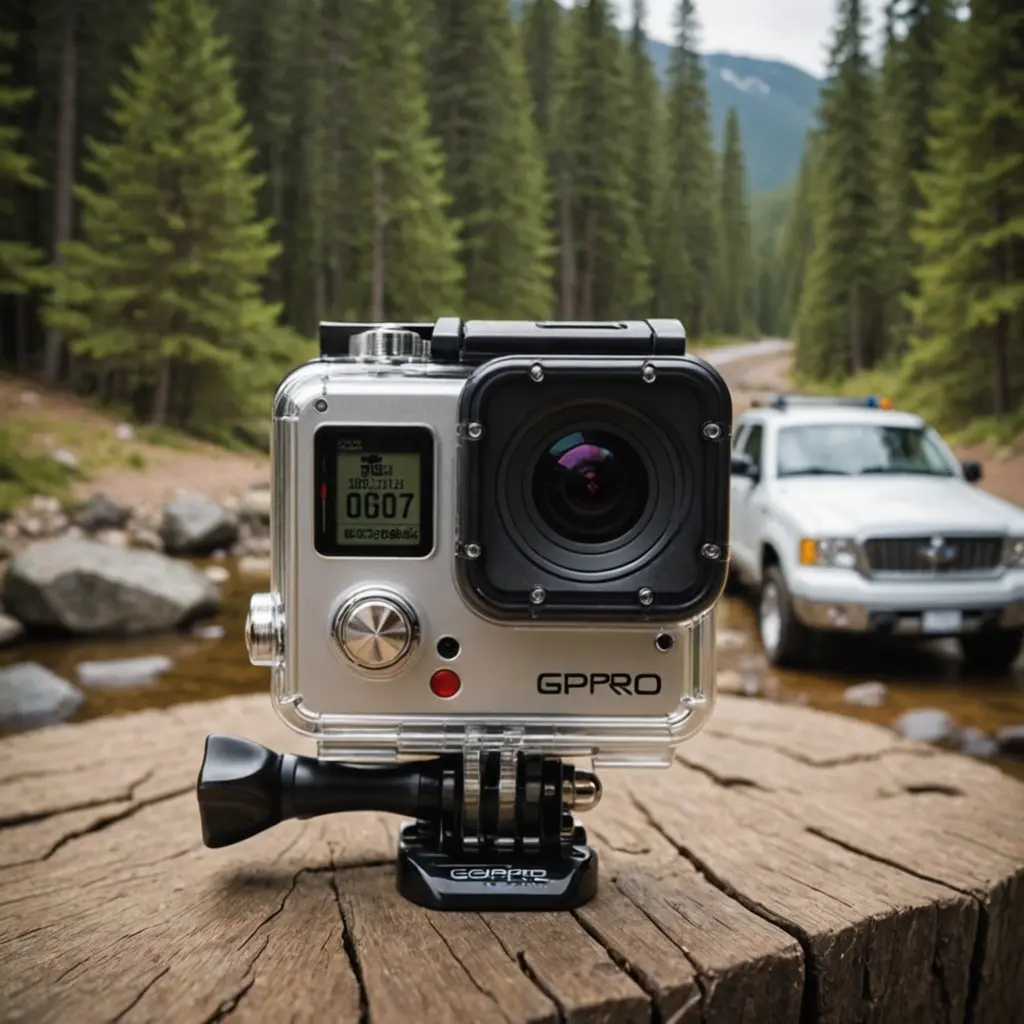

GoPro cameras are best known for action video, but they can also produce useful still photographs in situations where a compact, rugged camera is more practical than a conventional interchangeable-lens model. Their wide-angle perspective, weather-resistant design, mounting options, and simple controls make them suitable for travel, field documentation, outdoor work, time-lapse projects, and activity photography. If you enjoy shooting GoPro photos, explore covert recording tech to learn compact sensor and stabilization differences.
They are not a universal replacement for a dedicated still camera. Small sensors, limited lens options, and wide-angle distortion can affect image quality, especially in dim lighting or when a subject is far away. Understanding those trade-offs will help you decide whether GoPro photos fit your project.
What makes GoPro cameras useful for still photography?
A GoPro can be placed in locations where a larger camera would be inconvenient or vulnerable. Its compact body and range of mounting systems make it practical for helmets, vehicles, equipment, exterior structures, and other temporary setups. Weather-resistant construction and protective housings can also help when photographing in wet, dusty, or physically demanding environments.
Depending on the model and settings, common still-image options include:
- Single photos: Useful for straightforward documentation and scenic images.
- Burst photography: Captures a rapid sequence when timing is difficult.
- Time-lapse photography: Records gradual changes in a location, project, or environment.
- Night or long-exposure modes: Can improve results in low light, although they require a stable camera and careful exposure.
Image quality and lens characteristics
GoPro photos typically have a broad field of view, which is helpful when the surrounding context matters. A single frame can show more of a scene than a narrow lens, making the camera useful for documenting work areas, outdoor conditions, equipment placement, or action sequences.
The same wide perspective can create problems. Objects near the edges may appear stretched, while faces, signs, and straight architectural lines can look distorted. When accuracy matters, use a narrower field-of-view setting if available, keep important subjects near the center of the frame, and correct lens distortion during editing.
JPEG files are convenient for quick sharing and routine records. Some GoPro models and shooting modes also support RAW capture, which provides greater flexibility when adjusting exposure, shadows, and color in post-production. RAW files require more storage and editing time, so they are most useful when the image may need substantial correction.
Lighting, movement, and mounting
Good lighting has a major effect on GoPro image quality. In bright conditions, the camera can produce sharp, detailed photographs with strong color. In low light, its small sensor is more likely to show noise and motion blur than a larger-sensor camera. Night modes may help, but longer exposures make a steady mount especially important. For quick editing and sharing, Android camera tools can complement your GoPro photo workflow.
Choose a firm mounting point and check the camera’s angle before beginning a session. Electronic stabilization is primarily designed for video, but a stable setup remains valuable for still photography. Keep the lens clean, especially after exposure to water, dust, or fingerprints, and make sure the protective housing is not introducing glare or reducing contrast.
Storage, power, and image management
High-resolution photos, bursts, and time-lapse sequences can use storage quickly. Before a long shoot:
- Use a compatible, sufficiently fast microSD card.
- Charge the camera and carry an appropriate power solution for extended sessions.
- Test the chosen resolution, field of view, and exposure settings.
- Plan how files will be transferred, backed up, and named.
- Review a few test images at full size to check focus, reflections, and composition.
Depending on the model and configuration, image files may include metadata such as capture time, location, or camera orientation. Treat that information carefully: metadata can help organize documentation, but it can also reveal where an image was made if files are shared publicly.
Appropriate applications
GoPro photos are well suited to action and outdoor documentation, travel records, site progress, equipment inspections, environmental observations, and time-lapse work. They can also complement video by providing individual frames that are easier to print, compare, or include in a report.
For tasks requiring discreet or hidden recording, consider privacy before equipment. Do not place a camera where people reasonably expect privacy, and obtain permission wherever local law or the circumstances require it. Recording audio may be subject to additional rules. Use visible, authorized setups when possible, limit collection to what is necessary, protect stored files, and avoid sharing identifiable images without a legitimate reason.
Is a GoPro the right still camera?
A GoPro is a strong choice when portability, ruggedness, a wide perspective, and flexible mounting matter more than interchangeable lenses or maximum low-light performance. It is less suitable when you need highly discreet hardware, strong background separation, long-range detail, or the cleanest possible images in darkness.
Used within those limits, GoPro photos can provide a practical and adaptable way to document fast-moving activities, changing environments, and hard-to-reach locations while keeping image capture simple and portable.