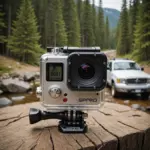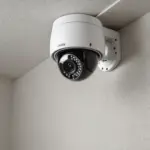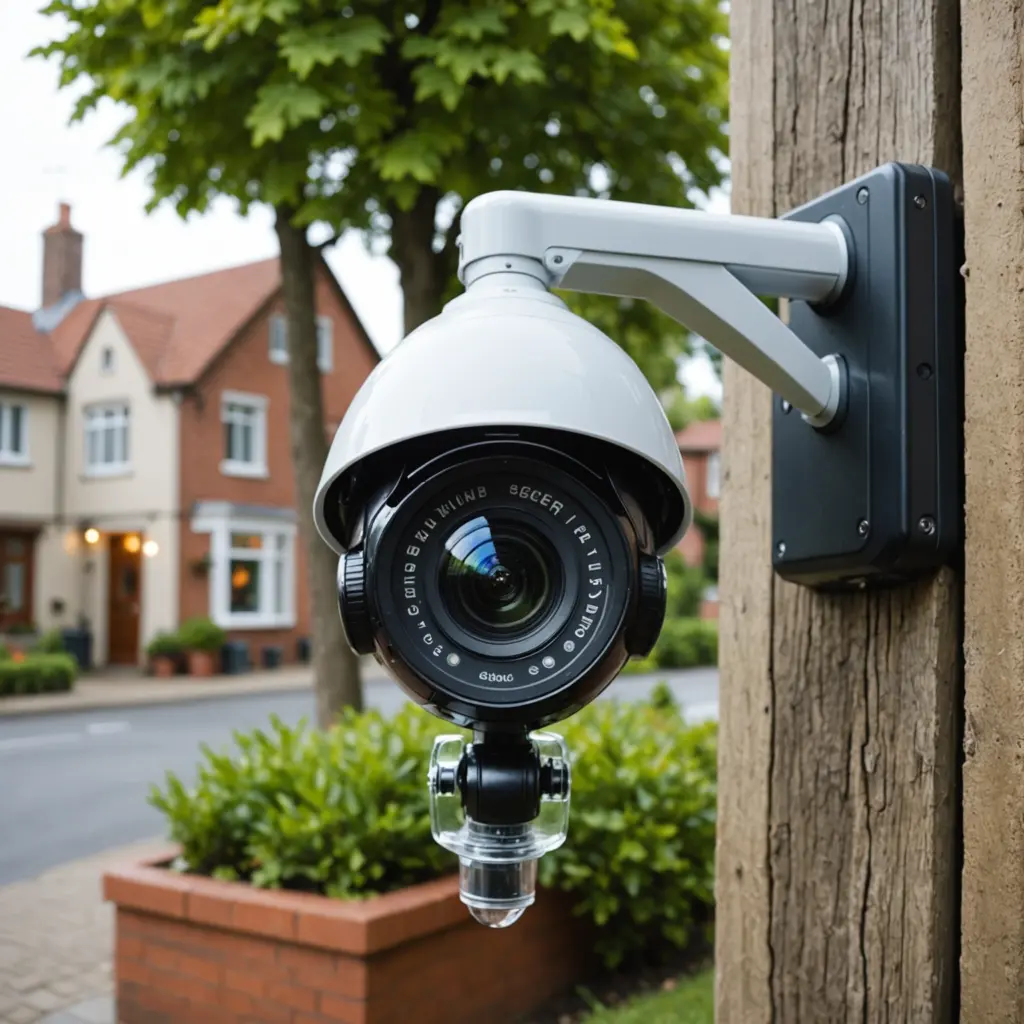

Outdoor cameras must cope with rain, dust, temperature changes, and the risk of tampering. A waterproof or weather-resistant model can provide dependable monitoring around homes, businesses, farms, construction sites, and storage areas. The best choice depends not only on image quality, but also on placement, power, storage, maintenance, and the privacy rules that apply where the camera will operate. Consider waterproof concealment strategies to deploy discreet devices outdoors for varied covert monitoring applications.
Where outdoor cameras can be useful
A discreet outdoor camera may be appropriate for protecting property or documenting activity in areas you own or manage. Common uses include monitoring:
- Driveways, gates, entrances, and delivery areas
- Detached garages, sheds, and equipment storage
- Commercial parking areas and maintenance zones
- Construction sites and remote tools or materials
- Gardens, agricultural areas, and wildlife habitats
In each case, aim the camera at the specific area that needs protection rather than recording more of the surrounding environment than necessary. A camera should not be used to watch a neighbor’s property, private windows, or other places where people reasonably expect privacy.
Weather resistance and construction
Outdoor exposure can damage electronics quickly if water enters the housing or cable connections. Look for a camera designed for outdoor use and check its stated ingress-protection rating. Models described as IP65, IP66, or higher are intended to offer protection against dust and water under the conditions specified for that rating.
The rating is only part of the picture. Examine the quality of the housing, lens cover, mounting bracket, and cable seals. A camera may be weather-resistant while its power connector or network connection remains vulnerable. Use the manufacturer’s recommended installation method and avoid placing the unit where water can collect around openings.
Image quality and night recording
Resolution affects the amount of detail recorded, but it does not guarantee useful footage in every situation. A 1080p camera may be adequate for a nearby doorway or driveway, while a 4K model can provide more detail across a larger scene. Position, lighting, lens angle, and distance are equally important.
For monitoring after dark, consider infrared night vision or a sensor designed for low-light conditions. Test the camera at night from its intended location. Reflections from walls, glass, foliage, or nearby surfaces can reduce clarity or create glare. Motion detection and adjustable activity zones can also reduce unnecessary recordings and make important events easier to find.
Power, connection, and storage
Your location will largely determine the most practical power option. Compare weatherproof surveillance options with current CCTV pricing details before choosing an outdoor monitoring setup.
- Wired power: Suitable for a fixed installation where continuous operation is important, provided cables are protected from weather and tampering.
- Battery power: Easier to place in locations without wiring, but it requires a schedule for recharging or battery replacement.
- Solar assistance: May help extend operation in suitable locations, although performance depends on available sunlight and the equipment used.
Wi-Fi cameras can provide remote access but may perform poorly at the edge of a wireless network. Cellular models can help in remote locations, while local storage such as a microSD card allows footage to remain on the device during an internet outage. If footage is transmitted online, review the camera’s security settings and use strong, unique account credentials.
Placement and installation
Install the camera high enough to discourage easy interference, while keeping the lens pointed at the intended approach or activity area. Avoid aiming directly toward the sun or strong lights. Eaves, soffits, and other sheltered locations can reduce exposure to rain, but they should not block the lens, microphone, motion sensor, or wireless signal.
Discreet placement should mean unobtrusive—not hidden in a way that encourages recording people without their knowledge where disclosure or consent is required. Do not place cameras in private areas or inside objects that could create an unexpected privacy risk. Before finalizing the mount, test the viewing angle, motion alerts, night image, and connection during the conditions in which the camera will be used.
Maintenance checklist
Even a weather-resistant camera needs periodic attention. Inspect the housing, seals, cables, and mounting hardware for damage. Clean the lens carefully with a suitable soft cloth, check that drainage paths are clear, and confirm that recordings and alerts are working. Battery-powered units need planned charging or replacement. Keep software and firmware updated when updates are provided, particularly for cameras connected to a network.
Privacy and legal responsibilities
Rules for outdoor surveillance vary by location. Recording your own property may be treated differently from capturing public areas, shared access routes, or neighboring land. Audio recording can have separate consent requirements, and some settings may require notice or signage.
Before installation, check the laws and property rules that apply to your situation. Limit the field of view to a legitimate security purpose, disable audio if it is unnecessary, protect stored footage, and retain recordings only as long as needed. Responsible installation helps protect property without unnecessarily intruding on other people’s privacy.