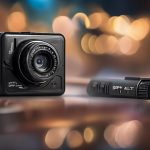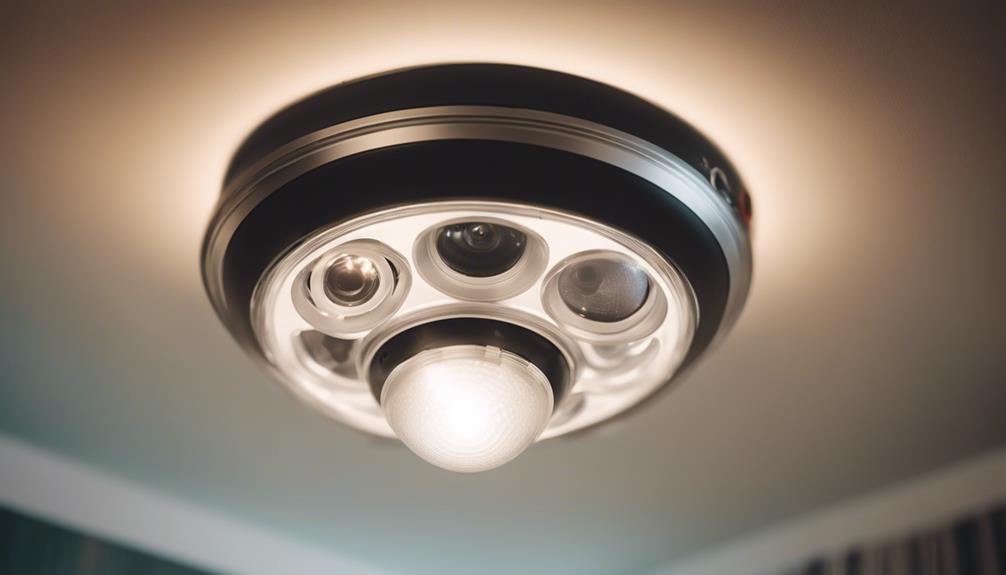

Ceiling-light cameras combine the appearance of a conventional light fixture with video-monitoring hardware. Their usefulness comes from more than concealment alone: placement, viewing angle, image quality, motion detection, and remote access all affect how well they perform in a room.
Although these devices are often described as “spy cameras,” they should be used only for lawful security purposes. Recording people without appropriate notice or consent may violate privacy or surveillance laws, depending on the location and circumstances. Before installing one, make sure its use is permitted and appropriate for the space.
Discreet, Ceiling-Mounted Placement
A camera built into or styled like a ceiling light can attract less attention than a conventional wall-mounted security camera. Its position overhead also provides a practical vantage point, particularly in rooms where furniture, shelving, or partitions could obstruct a camera installed at eye level.
The most effective designs fit naturally with the room’s existing fixtures. A slim profile and an appearance that resembles an ordinary light can help the unit avoid becoming a visual distraction. However, discreet placement should not be confused with permission to record secretly. In workplaces, shared homes, rental properties, and customer-facing areas, clear policies and appropriate notice remain important.
Broad Coverage From an Elevated Position
Ceiling-mounted cameras can monitor a broad section of a room when installed in a suitable central location. A wide field of view may cover entrances, walkways, and activity areas at the same time, reducing the number of cameras needed for basic observation.
Coverage still depends on the camera’s viewing angle and the shape of the room. A wide-angle lens may show more of the surroundings, but objects near the camera can appear distorted and distant details may be harder to identify. Before installation, consider:
- Whether the lens can see the main entry and exit points
- Possible obstructions such as beams, cabinets, signs, or light fittings
- Areas that may remain outside the camera’s view
- Whether the lighting fixture can be positioned without creating glare
Video Quality in Different Lighting Conditions
Clear footage is essential if a recording needs to show movement or identify what happened during an incident. Resolution is one consideration, but it is not the only one. Performance in dim conditions, exposure handling, and the position of nearby lights can have a significant effect on the final image.
A ceiling-light camera may be especially useful in rooms that are not consistently bright, provided its low-light performance is suitable for the environment. Test the image during both daytime and nighttime conditions. Bright windows, reflective surfaces, and the fixture’s own illumination can also produce glare or washed-out areas.
Motion Detection and More Relevant Recordings
Motion detection can make monitoring more efficient by triggering recording or alerts when movement occurs. Instead of reviewing one uninterrupted stream, users can focus on periods when activity was detected. This may also reduce the amount of stored footage, depending on how the camera handles recording and storage.
Motion alerts are most useful when sensitivity and detection zones can be adjusted. Otherwise, passing shadows, changing light, pets, or activity outside the important area may generate unwanted notifications. Positioning the camera carefully and reviewing its alert settings can help make notifications more meaningful.
Remote Viewing and Alerts
Many ceiling-light camera systems are designed to provide access to a live feed from a phone or another connected device. Remote viewing allows an authorised user to check the monitored area without being physically present. Motion notifications can also draw attention to an event so the user can decide whether further action is needed.
Remote access is most valuable when the connection is reliable and the viewing process is straightforward. A camera should be installed with account security and access permissions in mind, since unauthorised access to a live feed or stored recordings could create a privacy risk.
Installation and System Compatibility
Integration with an existing security setup can make a ceiling-light camera easier to manage. Depending on the design, installation may involve replacing a light fitting, connecting to a network, configuring an application, or setting up local or remote storage. The electrical requirements and mounting location should be checked before work begins.
A suitable system should also fit the user’s monitoring routine. Consider how footage is stored, how long it is retained, who can view it, and what happens if the network connection fails. These practical details often matter as much as the camera’s appearance or headline features.
Choosing the Right Features
Ceiling-light cameras are effective when their design matches the space and the intended security task. A broad viewing angle can improve room coverage, clear video can make recordings more useful, and motion detection with remote alerts can support timely monitoring. Discreet installation adds convenience, but responsible placement, lawful use, and careful access control are equally important.