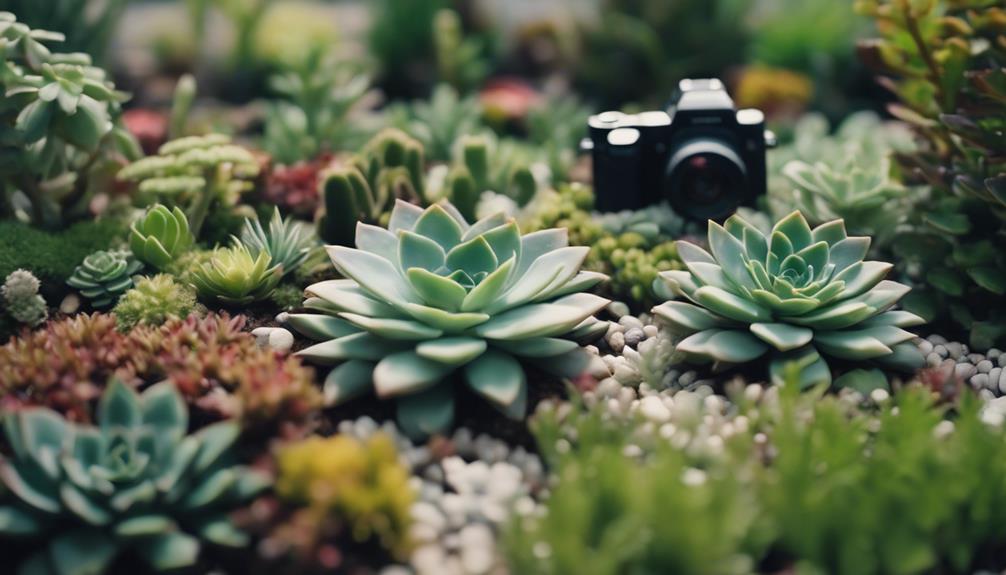

Plant spy cameras are small security cameras designed to blend into indoor plants, outdoor greenery, or garden decor. They can be useful for monitoring entrances, shared areas, gardens, and other parts of a property without making the camera the visual focus. However, discreet placement should never come at the expense of privacy, informed consent, or compliance with local recording laws.
What Is a Plant Spy Camera?
A plant spy camera is typically a compact camera concealed within or styled to resemble part of a plant or decorative arrangement. Depending on the model, it may provide live viewing, local or remote recording, motion detection, and night-time visibility.
These devices are best viewed as small security cameras with a plant-based design rather than as a replacement for a complete home security system. Their usefulness depends heavily on placement, lighting, power, network coverage, and the area being monitored.
Why Use One?
- Discreet appearance: A camera integrated into a plant or planter can be less visually distracting than a conventional security device.
- Remote access: Compatible cameras may let you view a live feed or review recordings from a connected phone, tablet, or computer.
- Flexible placement: Small cameras can work in locations where larger equipment would be impractical.
- Activity awareness: Motion detection may help identify movement without requiring you to watch a continuous video feed.
Use these benefits to support ordinary security and safety needs, such as checking an entryway or observing a private garden. Do not use a concealed camera to secretly record people in spaces where they expect privacy.
Types of Plant-Style Cameras
Indoor plant cameras
Indoor models are usually intended for areas such as living rooms, offices, hallways, or other shared spaces. Their size, lens position, and appearance matter because leaves, stems, or nearby furniture can easily block the view.
Outdoor plant and garden cameras
Outdoor cameras need protection appropriate to the conditions where they will be installed. Check the product’s stated weather resistance rather than assuming that a camera designed to look like a plant can withstand rain, temperature changes, or direct sunlight. Night vision and low-light performance may also be important for an outdoor location.
What to Check Before Buying
Start by identifying the area you need to monitor and the type of coverage required. Then compare the following features:
- Video quality: Choose a resolution that makes relevant details easy to see, while remembering that higher-quality recording can require more storage and bandwidth.
- Viewing angle: A wider angle covers more space, but may make distant subjects appear smaller.
- Recording options: Check whether footage is stored on the device, on a memory card, through a connected service, or by another method.
- Connectivity: Confirm that the camera can reliably connect from its planned location.
- Power: Battery operation can simplify placement but requires recharging or replacement. A wired model may provide more consistent operation but limits positioning.
- Motion alerts: These can reduce unnecessary viewing, though sensitivity may need adjustment to avoid alerts caused by pets, moving leaves, or changing light.
- Audio controls: If the camera includes a microphone, look for a way to disable audio. Audio recording may be subject to additional privacy rules.
Installation and Positioning
Place the camera where it has a clear, useful view without aiming into private areas or neighboring property. Keep the lens unobstructed, and test the image from the camera’s actual position before completing the installation. A plant that looks suitable from across the room may still block the lens when its leaves move or grow.
For wireless cameras, check the connection at the intended location rather than beside the router. For outdoor installations, protect cables and power connections as directed by the manufacturer. Secure the camera so that it will not fall, become exposed to water, or be easily damaged.
Making Monitoring More Effective
Review a short test recording during both daytime and low-light conditions. Adjust the angle, lighting, motion sensitivity, and recording settings until the footage is useful without generating excessive alerts. Establish a reasonable review routine if the camera records continuously, and remove footage that is no longer needed.
Keep the lens clean and check the power source, storage capacity, and network connection regularly. If the image becomes unclear or remote viewing stops working, begin with these basic checks before changing other settings.
Privacy and Legal Responsibilities
Before installing any plant spy camera, consider who may be recorded and whether they have been informed. Avoid bedrooms, bathrooms, changing areas, and other places where people reasonably expect privacy. Be especially careful when monitoring shared homes, workplaces, rental properties, visitors, employees, children, or areas that can capture activity beyond your property.
Privacy and recording requirements vary by location, and audio rules may differ from video rules. Check the laws that apply where the camera will be used, obtain consent where required, use signs or other notice when appropriate, and limit recording to what is necessary. Secure accounts with strong, unique passwords and restrict access to footage.
Final Considerations
A plant spy camera can provide a compact way to monitor a suitable area, but responsible placement matters as much as image quality or remote access. Choose equipment that matches the environment, test it carefully, maintain it regularly, and use it transparently and lawfully. When privacy is treated as a core requirement, discreet design can support security without turning ordinary spaces into places of unwanted surveillance.