
DVR spy cameras are designed to blend into ordinary objects while recording video, and in some cases audio, for authorized security monitoring. The best choice depends on where the camera will be installed, how much of the room must be covered, and whether you need local recording, motion-triggered capture, or remote viewing.
Below are five discreet camera formats described in the original guide, along with the features that make each one suitable for different indoor settings. Always use recording equipment lawfully and respect privacy. Audio recording and concealed cameras may be subject to additional restrictions, particularly in homes, workplaces, rental properties, and shared spaces.
1. Mini Clock DVR Camera
A mini clock camera is intended to look like an ordinary desk or bedside clock. Its compact form can make it suitable for a room where a conventional security camera would be visually distracting. The original device description includes video and audio recording, motion-triggered recording, scheduled recording, continuous recording, and loop recording.
This type of camera may be useful when you want several recording modes rather than a single always-on setting. Motion detection can help limit unnecessary footage, while scheduled recording can be configured for particular times. Before choosing one, check how recordings are stored, how easily the device can be set up, and whether its view is suitable for the intended position.
2. USB Charger Hidden Camera
A USB charger camera is built into an object commonly found near a wall outlet, allowing it to blend into an office, living area, or other indoor space. The model described in the source material includes motion detection and Wi-Fi-based remote viewing, making it possible to check a live feed from a smartphone or computer when the camera is connected to a network.
Remote access can be convenient, but it also makes account security and network configuration important considerations. Review the setup process, protect the associated account with a strong password, and avoid placing a networked camera where recording would violate another person’s reasonable expectation of privacy.
3. Smoke Detector Surveillance Camera
A smoke-detector-style camera is intended for ceiling installation and is designed to provide a broad view of the surrounding area. The source article describes a 360-degree perspective, motion detection, alerts to a connected device, and remote access to live footage.
This format can be considered when wide room coverage is more important than a narrow, targeted view. Ceiling placement may reduce obstructions, although the actual coverage will depend on the camera’s position and the room layout. It should never be installed in a way that interferes with a genuine smoke detector or creates confusion about fire-safety equipment.
4. Picture Frame Covert Camera
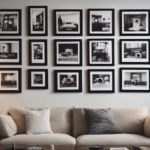
A picture-frame camera incorporates the lens into a decorative frame, helping it blend with existing home or office decor. This can be a practical format for users who want a less conspicuous installation without adding a visibly technical device to the room.
The original description presents this option as supporting discreet video and audio recording. When considering a frame-based camera, pay attention to the viewing angle, the frame’s position, lighting conditions, and whether furniture or wall decorations could obstruct the lens. It is also worth confirming that the frame can be accessed easily for configuration and recording management.
5. Wall Outlet Spy Cam
A wall-outlet camera is designed to resemble a standard electrical outlet while incorporating a concealed lens. The source article describes motion detection and live streaming, as well as use in homes, offices, and retail environments. Similar devices may also be positioned as part of a broader power-strip or outlet-based monitoring setup.
This format can provide a stable, fixed viewpoint and may be convenient where an outlet is already available. Installation requires particular care: the device must be compatible with the electrical environment, and it should not compromise outlet safety. Live streaming also requires attention to Wi-Fi reliability and secure remote access.
How to choose among these camera formats
- Room coverage: Choose a ceiling-mounted design for a broad perspective, or a clock, frame, charger, or outlet format for a more targeted view.
- Recording mode: Look for motion, scheduled, continuous, or loop recording according to how you plan to review footage.
- Remote access: If live viewing matters, verify network requirements and the security controls for the connected account.
- Installation: Consider whether the camera needs a wall outlet, ceiling position, desk placement, or a suitable decorative location.
- Privacy and compliance: Obtain consent where required, post notices when appropriate, and avoid recording private areas or conversations unlawfully.
Final considerations
These five DVR spy camera designs offer different approaches to discreet indoor monitoring: a clock for desk placement, a charger or outlet for fixed power locations, a smoke-detector form for broad coverage, and a picture frame for decorative integration. Rather than choosing solely on appearance, compare the viewing area, recording controls, remote-access needs, installation requirements, and legal responsibilities before using any concealed camera.