
A picture-frame camera can combine everyday decor with discreet monitoring, making it less visually obtrusive than a conventional security camera. The right model should not only blend into its surroundings but also provide useful footage, dependable alerts, secure access, and a setup process you can manage confidently.
Before choosing one, decide what you need to monitor, where the frame will be placed, and how you plan to review recordings. These five considerations can help you compare options more effectively.
1. Choose a Frame That Fits Your Room
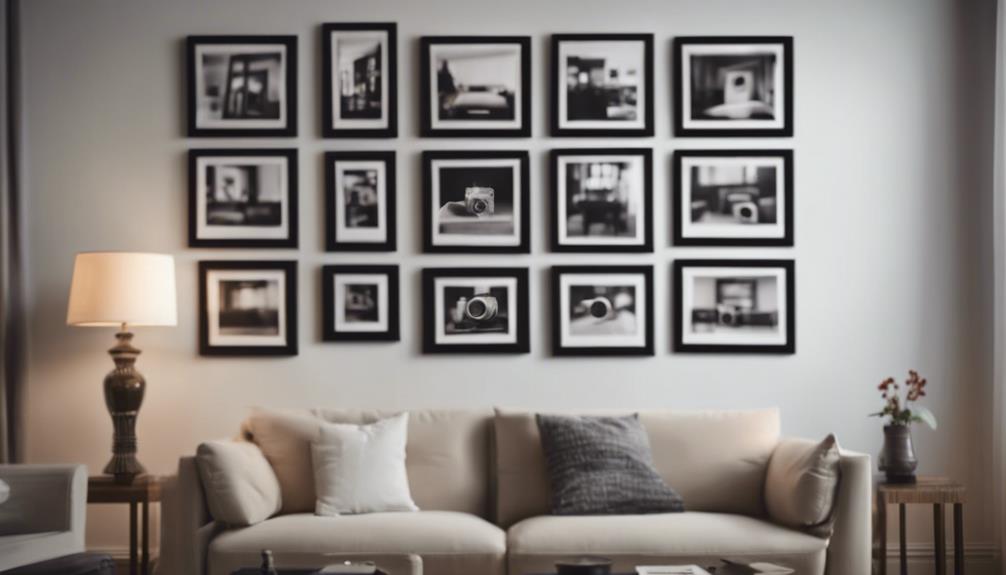
The main appeal of a camera picture frame is its ability to look like a normal decorative object. Look for a style that suits the room rather than attracting attention. Modern, classic, and minimalist designs can all work, depending on your existing furnishings.
Consider the frame’s size, orientation, power requirements, and placement before buying. A frame positioned too high, too low, or behind furniture may produce an incomplete view. It should be discreet without being obstructed, and the camera lens should have a clear line of sight toward the area you want to monitor.
2. Check Video and Audio Quality
Clear footage is essential if you need to identify activity or review an incident. A model offering 1080p video can provide detailed images, while a wide-angle lens may cover more of a room from a single position. However, resolution is only one part of performance. Lighting, lens position, and the distance between the camera and the subject also affect the usefulness of recordings.
If audio recording is included, check that the frame has a built-in microphone capable of capturing understandable sound. Keep in mind that audio surveillance can raise additional privacy and legal concerns, so use this function only where appropriate and permitted.
3. Look for Remote Viewing and Playback
Remote access can make a picture-frame camera more practical when you are away from home. Live streaming allows you to check the camera feed through a connected device, while playback lets you review recordings after an event has occurred.
Some systems use cloud storage for recorded footage. This can make recordings available even if the physical frame is damaged or removed, but it also means your footage is stored outside the home. Before relying on cloud recording, review the available security controls, account protections, storage limits, and any costs or restrictions associated with the service.
4. Evaluate Motion Detection and Alerts
Motion detection can help the camera focus on events instead of recording continuously. When movement is detected, the system may begin recording or send an alert to a connected device. This can reduce the time spent searching through footage and draw attention to activity as it happens.
Motion sensors are not perfect. Pets, changing light, curtains, or other harmless movement may create false alerts. Choose a system with adjustable sensitivity if possible, and position the frame carefully to avoid busy areas that generate unnecessary notifications. Motion-triggered recording can also affect battery life and storage capacity, so check how the camera manages both.
5. Prioritise Secure, Simple Setup
A user-friendly interface makes it easier to configure the camera, adjust settings, watch a live feed, and review recordings. Clear instructions and a straightforward installation process are especially useful if you plan to set up the frame yourself.
After installation, protect the camera account with a strong, unique password and use available security features such as password protection or encrypted storage. Keep the frame’s software and connected applications updated when updates are provided. These steps can help reduce the risk of unauthorised access to live video or saved recordings.
Use a Picture-Frame Camera Responsibly
Discreet design does not remove the need to respect privacy. Avoid placing cameras in bedrooms, bathrooms, or other areas where people reasonably expect privacy. If other people may be recorded, inform them where appropriate and check the laws that apply in your location, particularly when audio recording is enabled.
The best spy camera picture frame is one that suits the room, captures useful footage, provides dependable access, and can be operated securely. Compare the design, image quality, storage method, motion settings, and privacy controls together rather than choosing based on appearance alone.