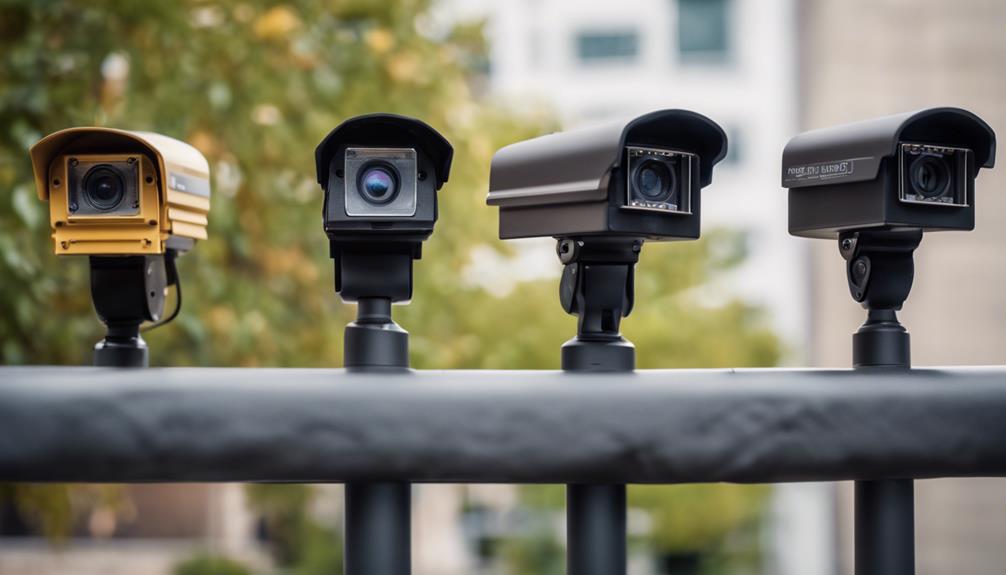

Outdoor security cameras do not need to be large or visually distracting to be useful. The right exterior spy camera can monitor entrances, driveways, pathways, and other exposed areas while blending into its surroundings. When comparing options, focus on discreet placement, weather resistance, image quality, night visibility, motion detection, and the practicalities of installation.
The three camera types below represent different priorities. One is designed for a compact and inconspicuous setup, another emphasizes outdoor durability, and the third focuses on detailed footage and active alerts.
1. Compact and Discreet Exterior Camera
A compact camera is a suitable choice when you want outdoor monitoring without making the equipment a prominent feature of the property. Smaller housings can be easier to position beneath an overhang, beside an entryway, or near another structure where the camera does not attract unnecessary attention.
Features to look for
- Small, unobtrusive housing: A neutral finish and a design that fits the surroundings can help the camera remain visually subtle.
- Wireless installation: Wireless connectivity may simplify placement where running a cable would be difficult or conspicuous. The camera still needs a dependable power source unless it is specifically designed for another power method.
- Night vision: Infrared capability helps the camera record in low-light conditions and during darkness.
- Motion detection: Movement-based recording or notifications can reduce unnecessary footage and draw attention to activity.
A discreet model should not sacrifice basic performance for size. Check its viewing angle, image resolution, storage method, and connection requirements before choosing a location. A camera that is difficult to reach may also be harder to maintain, so convenient access for cleaning and adjustments is worth considering.
2. Weatherproof and Durable Outdoor Camera
For exposed locations, durability is just as important as discretion. An exterior camera may face rain, snow, dust, temperature changes, and accidental knocks. A model intended for outdoor use should have a protective housing and an Ingress Protection, or IP, rating that indicates its resistance to dust and water ingress.
Important durability considerations
- Outdoor-rated construction: Look for a housing designed to withstand the environmental conditions where the camera will be installed.
- Strong materials: Aluminum and polycarbonate are examples of materials commonly associated with sturdy camera housings.
- Suitable mounting hardware: The bracket and fasteners should be appropriate for the wall, fence, soffit, or other surface supporting the camera.
- Reliable night visibility: Infrared LEDs can help illuminate the field of view when visible light is limited.
- Remote access: A network-connected model may let you view live footage or receive activity alerts through a phone or computer.
Weather resistance does not make a camera suitable for every location. Avoid positioning it where water can collect, where glare will obscure the lens, or where nearby branches and fixtures constantly trigger motion detection. The clearest view often comes from a sheltered position that still covers the intended area.
3. High-Resolution Surveillance Camera
If identifying details in recorded footage is the main priority, choose a high-resolution surveillance model. Higher resolution can produce sharper images of people, vehicles, and objects, although the final result also depends on lighting, lens quality, camera placement, and the distance from the subject.
Performance features worth comparing
- At least 1080p resolution: Full HD provides a useful baseline for clearer outdoor footage than lower-resolution alternatives.
- Night vision: Confirm that the camera can record in the lighting conditions expected at the installation point.
- Motion alerts: Notifications sent to a phone or email can make it easier to respond when movement is detected.
- Remote viewing: Live access can help you check an outdoor area without being physically present.
- Appropriate coverage: A wide field of view may cover more ground, while a narrower view can concentrate on a specific door, gate, or path.
High resolution alone does not guarantee useful evidence. Aim the camera toward areas where activity is likely to occur, avoid pointing it directly at bright lights, and test both daytime and nighttime footage. Also check how recordings are stored and whether the system provides enough capacity for the monitoring schedule you expect.
How to Choose Between the Three Options
Choose a compact model when appearance and simple placement matter most. Select a weatherproof, durable camera for a location exposed to harsh outdoor conditions. A high-resolution model is the better fit when detailed footage, motion alerts, and remote monitoring are the central requirements.
Whichever type you choose, install it responsibly. Respect privacy, avoid pointing cameras into areas where people reasonably expect privacy, and follow applicable rules for recording on or around your property. A well-positioned, weather-resistant camera with dependable night vision and motion detection can provide useful coverage without overwhelming the exterior of your home or business.