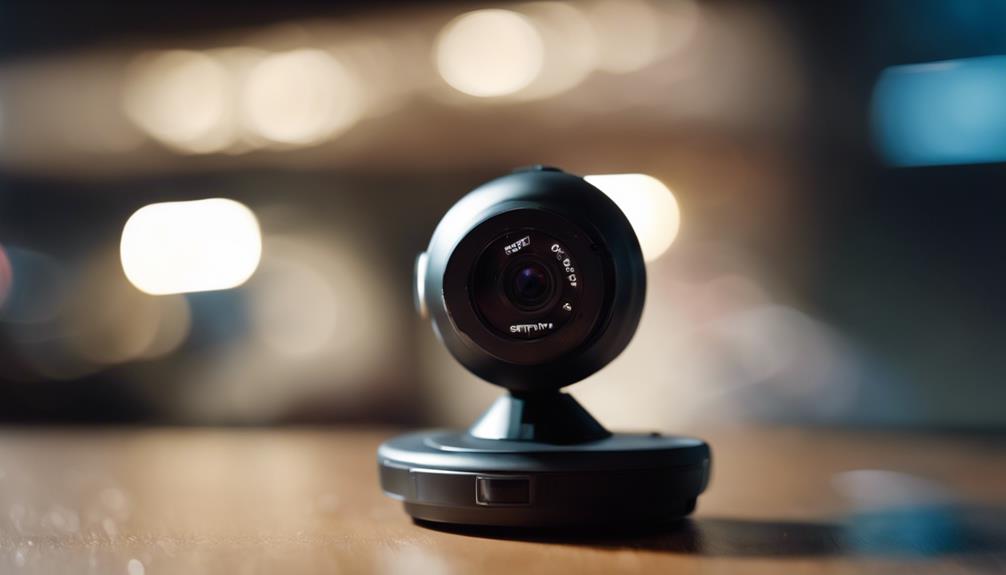

Fiber-optic spy cameras are designed for situations where a small, unobtrusive camera is needed. Their appeal comes from combining compact installation with features that make monitoring easier, including motion detection, remote access, and recorded-video playback.
Because hidden cameras can create serious privacy concerns, they should be used only where monitoring is lawful and appropriate. Always follow local regulations, obtain consent when required, and avoid recording in places where people reasonably expect privacy.
1. Motion Detection for More Relevant Alerts
Continuous recording can produce large amounts of footage and make important events difficult to find. Motion detection helps narrow the camera’s attention to periods when movement occurs.
More advanced systems use sensors and software algorithms to analyse movement. Some may be designed to distinguish likely human activity from changes such as shifting light, moving curtains, or other non-human motion. This can reduce unnecessary alerts, although performance depends on the camera, its software, lighting, and installation position.
Night vision is another useful consideration. A camera intended for monitoring in dim conditions needs a sensor and illumination system capable of producing usable footage after dark. When evaluating a model, check whether motion alerts and image quality remain effective in low-light environments rather than assuming that night-vision capability guarantees clear results.
- Motion-triggered recording: Saves footage when movement is detected.
- Activity alerts: Can notify a connected device when the camera registers motion.
- Human-activity detection: May help reduce alerts caused by non-human movement.
- Low-light monitoring: Supports observation when the available light is limited.
2. Remote Viewing and Recorded Playback
Remote access allows an authorised user to check a camera without being physically present. Depending on the system, a mobile or web interface may provide live streaming over an internet connection. This can be useful for checking a monitored room, reviewing a situation as it develops, or confirming whether an alert requires attention.
Playback is equally important. Recorded footage can help establish what happened before and after a motion event, while searchable or event-based recordings can make review faster than watching an uninterrupted stream. Storage arrangements vary, so it is worth checking whether a camera uses local storage, cloud storage, or both.
Cloud storage can make recordings accessible from more than one location, but it may involve account requirements, subscription terms, retention limits, and privacy considerations. Local storage can provide greater control over recordings, but the owner is responsible for protecting the device and preserving its files. In either case, use strong account credentials and keep connected equipment updated where possible.
3. Compact Design for Discreet Installation
The defining advantage of a fiber-optic camera is its ability to place the imaging component in a small, less conspicuous position while the remaining hardware can be located elsewhere, depending on the design. This can make installation more flexible than using a conventional camera with a larger visible body.
A compact camera may be installed in a carefully selected opening, enclosure, or other permitted location. However, discreet appearance should not be confused with permission to record secretly. The installation must still respect property rules, workplace policies, privacy laws, and the rights of people being recorded.
Before choosing a model, consider the camera’s viewing angle, cable length, power requirements, mounting method, and how easily the lens can be aligned. A tiny camera is not automatically effective: poor positioning, glare, obstructions, or insufficient lighting can all reduce the usefulness of the footage.
What to Compare Before Choosing
- Image quality in both daylight and low-light conditions
- Motion-detection settings and the quality of alert controls
- Live-view compatibility with your phone or computer
- Local and cloud-storage options, including retention and access terms
- Power source, installation requirements, and cable flexibility
- Account security and available privacy controls
- Whether the intended use complies with applicable laws and consent requirements
Final Considerations
Fiber-optic spy cameras can bring together three practical capabilities: targeted motion monitoring, remote viewing with playback, and a compact form suited to careful installation. The best choice depends on the environment and the type of monitoring required, not simply on the smallest camera or the longest feature list.
Used responsibly and lawfully, these systems can support legitimate security monitoring. Clear planning, secure storage, appropriate notification, and respect for privacy are just as important as the camera’s technical specifications.