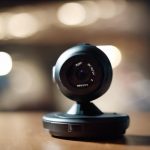

Spy camera jammers are devices designed to interfere with the signals used by some surveillance cameras. By creating signal interference, they may prevent a camera from transmitting video to a recorder, monitoring station, or other connected device. Their intended purpose is to reduce the risk of unwanted monitoring, but their use involves important technical, legal, and ethical considerations.
How Spy Camera Jammers Work
A wireless camera depends on a signal to send video or other data to a receiving device. A jammer emits interference in the relevant radio-frequency range, making it more difficult for the camera and receiver to communicate. The effect is similar to adding noise to a radio broadcast: the original signal may become unreliable or unavailable.
This process does not necessarily disable the camera itself. A camera may continue capturing footage locally even when its wireless connection is interrupted. A jammer may therefore stop or weaken transmission without erasing recordings, preventing physical access to the camera, or affecting systems that use a different communication method.
Performance can vary according to the camera’s technology, the frequencies involved, distance, obstacles, power levels, and the design of the surrounding system. For that reason, no jammer should be assumed to block every type of camera or surveillance device.
Why People Consider Using Them
The main appeal of a camera jammer is privacy protection. In a private room or sensitive meeting area, people may be concerned that an undisclosed camera is recording or streaming activity without permission. Interfering with a wireless connection may appear to offer an additional barrier against unauthorized monitoring.
However, jamming is only one possible response to a suspected privacy violation. It does not identify the camera, establish who operates it, or confirm whether recording is taking place. It may also affect nearby devices that rely on similar signals, including equipment unrelated to surveillance.
Legal and Ethical Considerations
Before considering any signal-jamming device, research the rules that apply in your location. Laws and regulations may restrict or prohibit intentional interference with radio communications. The fact that a device is being used in a private space does not automatically make its operation lawful.
Jamming can also interfere with legitimate security measures, communications, or other equipment. Disrupting a camera in a business, shared building, venue, or public setting could affect safety procedures or the rights of other people. It may also make it harder to investigate an incident by interrupting a security system or removing useful evidence.
Privacy concerns are valid, but they should be balanced with legal obligations and the potential consequences for others. If you suspect that a camera has been installed unlawfully, consider documenting the concern without tampering with equipment and contacting the property owner, venue management, law enforcement, or an appropriate privacy authority.
What to Evaluate Before Choosing a Device
If use is lawful in your circumstances, examine the device’s stated capabilities rather than relying on broad claims. Important questions include:
- Which types of signals or camera connections can it affect?
- Does it interfere with communications beyond the intended device?
- What operating area and battery life are claimed?
- Is the device portable, and can it be used without creating avoidable disruption?
- Does the manufacturer provide clear safety, compliance, and operating information?
Be cautious of products that promise universal protection. Wired cameras, locally recording cameras, and systems using different transmission methods may not be affected by a wireless jammer. In some situations, a jammer may provide a false sense of security while leaving the underlying privacy problem unresolved.
Safer Privacy-Protection Alternatives
Non-interference measures are often more appropriate. In accommodation or changing areas, inspect the space for suspicious objects, cover a camera only when doing so is lawful and safe, and report concerns to the responsible operator. For meetings, use a controlled room, limit access to personal devices, and establish clear recording rules. Businesses can also review their own equipment, access controls, and camera disclosures to ensure surveillance is transparent and properly managed.
Conclusion
Spy camera jammers work by creating interference that can disrupt communication between certain cameras and their receiving devices. They may appear useful for privacy protection, but they have technical limitations and can affect more than the intended camera. Most importantly, their legality and impact vary by location and situation. Understanding how the technology works is only the first step; responsible decisions also require checking applicable law, considering other people’s safety and privacy, and exploring non-disruptive alternatives.