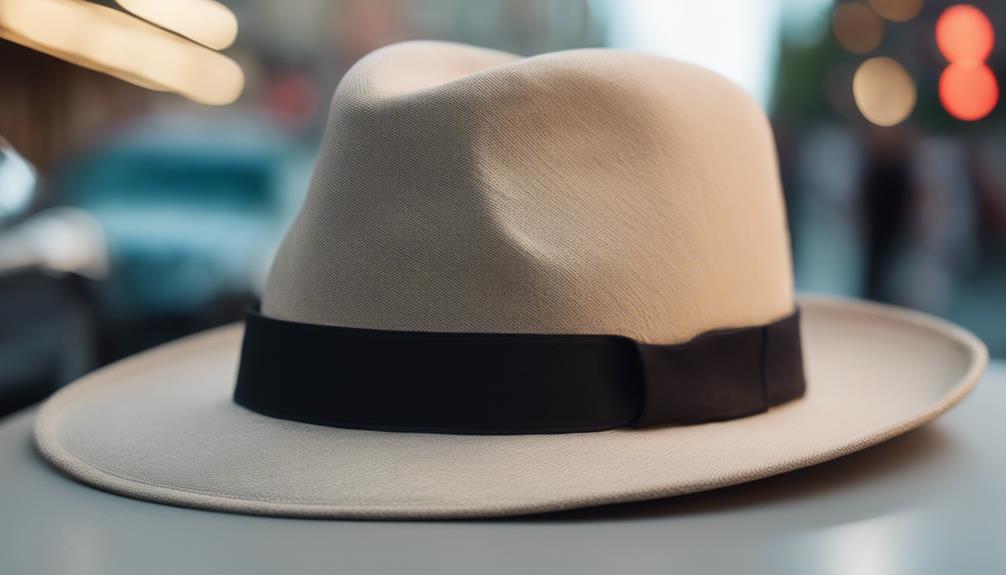

Hat camera spy devices combine a wearable hat with a small camera intended to record from a natural, hands-free viewpoint. Their discreet appearance can be useful for permitted documentation, personal safety, field notes, or security work. However, a concealed camera should never be used to invade someone’s privacy or to record people unlawfully. Before choosing or using one, check the rules that apply to video, audio, and recording in your location.
1. Discreet, Wearable Design
The main appeal of a hat-mounted camera is that it can be carried without holding a separate device. A practical design should feel comfortable, remain secure during movement, and avoid obstructing the wearer’s vision. Look for a camera housing that does not make the hat unusually heavy or difficult to wear.
Discretion should not be confused with permission. The fact that a camera is difficult to notice does not make recording acceptable in every setting. Avoid using wearable cameras in private spaces, confidential meetings, or situations where people reasonably expect not to be recorded.
2. Video and Audio Quality
Clear footage is more useful than a long list of advertised specifications. Resolution, image stability, lens quality, and lighting all affect whether a recording is easy to review. A wide field of view may show more of a scene, while a narrower view can make specific details appear larger.
Audio requires particular care. Some devices include microphones, but recording conversations may be restricted even when video recording is allowed. If sound is not essential, disabling audio can reduce privacy risks and simplify compliance with local requirements.
3. Wireless Connectivity
Depending on the model, wireless connectivity may allow files to transfer to a phone or computer, or may support remote viewing. This can make it easier to check recordings without removing the camera, but it also introduces security and reliability considerations.
- Use strong account passwords and device security controls.
- Prefer encrypted connections and update the companion app when updates are available.
- Consider whether remote access is genuinely necessary.
- Store recordings only on devices or services you trust.
A wireless connection can also consume more battery power and may be unreliable in areas with interference or limited connectivity.
4. Low-Light or Night Recording
Some hat cameras include infrared-assisted or other low-light recording modes. These features can help in dim conditions, but they do not guarantee clear footage in complete darkness. Image quality may vary with distance, movement, reflective surfaces, and the strength of available illumination.
If nighttime recording matters, review sample footage made in comparable conditions rather than relying only on a product description. Also remember that recording in a dark environment remains subject to the same privacy and consent responsibilities as recording during the day.
5. Battery Life and Storage
Battery capacity determines how long a camera can record before it needs charging. Continuous recording, wireless transmission, high-resolution video, and low-light modes can all affect runtime. A device with a removable or rechargeable battery may be more practical for extended, authorized use.
Storage is equally important. Check whether the camera uses removable media, internal storage, or a connected phone. Plan how files will be copied, protected, and deleted. Keeping recordings longer than necessary increases the consequences of loss, theft, or unauthorized access.
6. Wide-Angle Coverage
A wide-angle lens can capture more of the surrounding scene, which may help when the wearer cannot precisely aim the camera. The trade-off is that objects near the edges can appear distorted, and distant details may be harder to identify.
Test the camera while wearing the hat and walking naturally. The lens should point where expected without requiring awkward head movements. Stable positioning and a clear lens often matter more than an extremely wide viewing angle.
7. Motion Detection
Motion detection can start recording when movement enters the camera’s view, helping reduce unnecessary footage and conserve storage. Useful controls may include sensitivity, recording length, and whether the camera continues recording after movement stops.
Motion detection does not make surveillance automatically appropriate. It may capture bystanders, visitors, or private activity without their knowledge. Use it only in settings where recording is permitted, and provide notice or obtain consent when required.
Making a Responsible Choice
When comparing hat camera spy devices, focus on comfort, dependable video, battery performance, secure file handling, and controls that limit unnecessary recording. Treat claims about live streaming, night vision, and extended battery life as features to verify rather than guarantees.
Most importantly, establish a legitimate purpose before recording. Follow applicable privacy, workplace, property, and audio-recording rules; avoid sensitive locations; and secure or delete footage when it is no longer needed. Used transparently and lawfully, a wearable camera can support documentation without turning ordinary situations into unwanted surveillance.