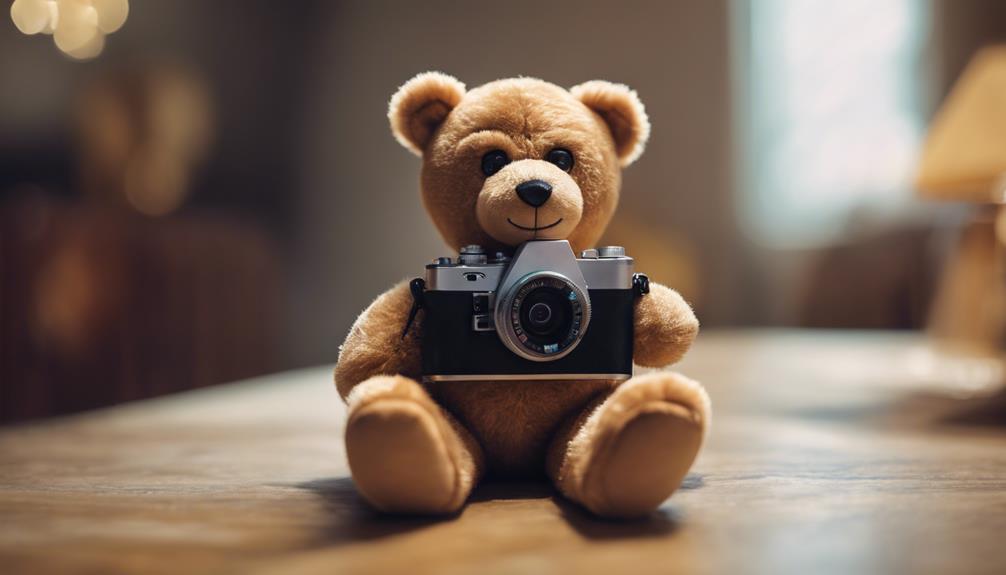

Spy teddy bear cameras are designed to blend a small recording device into a familiar household object. Their appearance may make them less noticeable than a conventional security camera, but discreet design should never replace responsible use. Before choosing one, consider where it will be installed, who may be recorded, how footage will be stored, and whether consent is required.
Features to Compare
Video quality and storage
Video resolution determines how much detail appears in recorded footage. Higher-definition video can make faces, movements, and objects easier to distinguish, but it also creates larger files and may fill a memory card more quickly. Look for a practical balance between image clarity, recording length, and available storage.
Check whether the camera records to a removable memory card, internal storage, or an online service. If cloud storage is offered, review how accounts are protected, what fees may apply, and how long recordings are retained. Important footage should be copied securely rather than left on the camera indefinitely.
Motion detection
Motion detection starts recording when movement is identified in the camera’s view. This can reduce unnecessary footage and conserve battery power compared with continuous recording. It may also make it easier to find relevant events in a long set of recordings.
Motion sensors are not perfect. They can miss activity outside the detection area or create unwanted clips when lighting changes, shadows move, or pets pass by. Adjustable sensitivity and activity zones can be useful where available.
Remote access and alerts
Some models can send a live view or notifications to a phone or computer over a wireless connection. Remote access may be helpful when monitoring an authorized space, but it also introduces account and network-security concerns. Use a strong, unique password, keep the camera’s software updated when updates are provided, and avoid sharing access credentials.
Real-time alerts can notify you when motion is detected, although frequent false alerts may reduce their usefulness. Consider whether notifications can be scheduled or limited to particular times.
Night vision and lens coverage
Infrared night vision can help a camera record in dim conditions without requiring visible lighting. Performance varies, so confirm how far the camera can see in darkness and whether the image remains clear at the edges of the frame.
A wide-angle lens captures more of a room, which may reduce blind spots. However, wider views can make subjects appear smaller or distort the edges of the image. Position the camera carefully and test the actual field of view before relying on it.
Power and portability
Battery-powered cameras are easier to place but require charging and may stop recording when the battery is depleted. Motion-triggered recording, scheduled operation, and disabled wireless features can help reduce power use. A continuously powered device may be more suitable for fixed monitoring, provided the cable and outlet can be installed safely.
A compact, lightweight design can make placement simple, but portability should not encourage recording in spaces where people reasonably expect privacy.
Setup Considerations
- Charge the camera fully and install storage according to the manufacturer’s instructions.
- Test the viewing angle, sound level, motion sensitivity, and night performance before using it.
- Secure wireless access and review any mobile-app permissions.
- Set recording schedules and retention limits so unnecessary footage is not kept.
- Place the device where it cannot be easily knocked over, covered, or accessed by children.
Privacy and Legal Responsibilities
A teddy bear camera can record people who do not realize they are being filmed. Laws and consent requirements differ by location, and audio recording may be subject to additional restrictions. Do not assume that a camera is lawful simply because it is sold for household use.
Use visible notice or obtain informed permission where appropriate, especially in shared homes, workplaces, rental properties, bedrooms, bathrooms, or other private areas. Avoid recording sensitive conversations or storing footage longer than necessary. If the goal is child, pet, or property monitoring, a clearly disclosed security camera may be a more appropriate and transparent option.
Choosing Responsibly
The best spy teddy bear camera is not necessarily the one with the most features. Prioritize dependable recording, suitable battery life, secure storage, a useful viewing angle, and controls that are easy to understand. Most importantly, make sure the intended placement respects privacy and complies with applicable rules. Used carefully, a discreet camera can support authorized monitoring; used secretly in private spaces, it can create serious ethical, legal, and security problems.