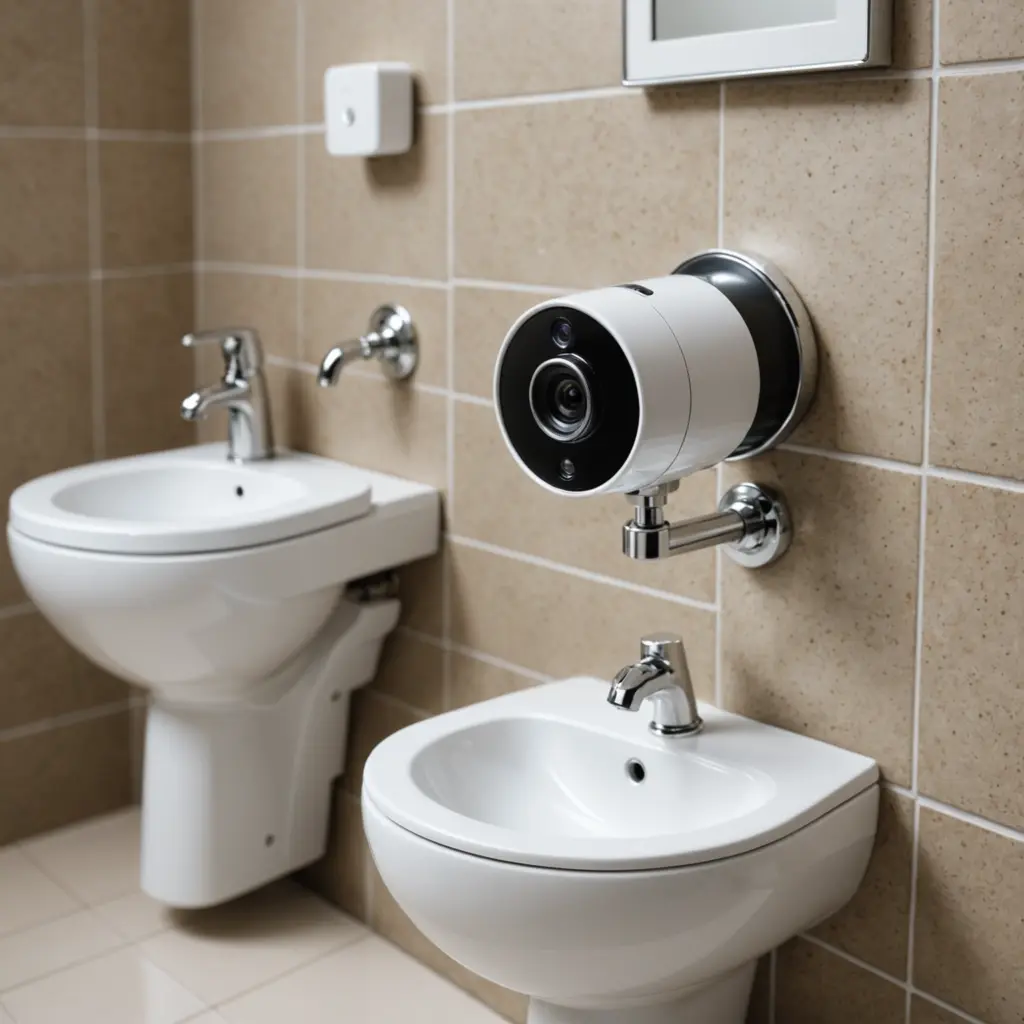

A bathroom is one of the places where people have the strongest expectation of privacy. A hidden camera in a bathroom violates that expectation and can create serious privacy, security, emotional, and legal concerns. Whether the location is a public restroom, workplace facility, rental property, hotel, or private home, suspected unauthorized recording should be treated seriously.
Why Hidden Cameras in Bathrooms Are So Harmful
Recording people without their knowledge in an intimate space is a profound invasion of personal boundaries. It removes a person’s ability to choose whether to be observed or recorded and can leave them feeling exposed, powerless, and unsafe.
The harm may continue even after a device is removed. People who learn they may have been recorded can become anxious about using bathrooms, staying in unfamiliar places, or trusting the people responsible for maintaining a property. The possibility that recordings were stored, shared, or viewed by others can add to the distress.
Privacy and Security Risks
A concealed recording device may be used to capture highly personal images or information. Depending on the device and how it is installed, recordings could potentially be stored locally or transmitted elsewhere. This creates risks beyond the initial intrusion, including unauthorized access, distribution, harassment, or blackmail.
Hidden cameras can also indicate that someone has deliberately tampered with a private area. Unusual wiring, modified fixtures, or objects placed where they do not belong may therefore raise both privacy and personal-safety concerns. However, an unusual object is not automatically a camera, so avoid making accusations based only on a suspicion.
Possible Psychological Effects
Discovering or suspecting that you were recorded in a bathroom can trigger shock, anger, fear, embarrassment, and a loss of control. Some people may experience continuing anxiety, difficulty sleeping, heightened alertness, or reluctance to use similar facilities.
These reactions are understandable. A privacy violation can affect a person’s sense of safety and trust, particularly when it involves a home, workplace, lodging provider, or someone they previously trusted. Support from a mental health professional, trusted friend, advocate, or other appropriate service can help with the emotional aftermath.
What to Do If You Suspect a Hidden Camera
- Prioritize your safety. Leave the room if you feel threatened, and do not confront a suspected perpetrator alone.
- Do not touch or dismantle the object. Altering it could destroy useful evidence or create an electrical hazard.
- Record what you observed. From a safe location, note the date, time, address or facility, object location, and names of people who may have been present. If lawful and safe, take photographs of the surrounding area without handling the device.
- Report the concern promptly. Notify the property manager, employer, venue operator, or another responsible authority. Contact local law enforcement when a device appears to be recording people or when you believe a crime may have occurred.
- Preserve related information. Keep messages, booking details, receipts, photographs, and other records. Avoid posting identifying details or suspected recordings publicly while the matter is being investigated.
- Seek medical or emotional support if needed. You do not have to manage the effects of a suspected violation alone.
Practical Privacy Precautions
When using an unfamiliar bathroom, pay attention to objects that seem newly installed, unusually positioned, or inconsistent with the room. Inspect visible fixtures without removing them, and be cautious about unexplained holes, lenses, or wiring. A basic visual check can help you notice obvious irregularities, but no inspection method guarantees that a concealed device will be found.
Use facilities in places you trust when possible, keep bathroom doors secured, and report damaged locks or signs of tampering. Do not rely solely on a phone application or consumer detector to confirm that a room is private; any suspected device should be assessed and documented safely by the appropriate authorities or qualified professionals.
Legal Considerations
The legality of hidden-camera recording depends on the jurisdiction and the circumstances, but bathrooms are generally treated as highly private spaces. Unauthorized recording may lead to criminal investigation, civil claims, or both. Potential consequences can include penalties for privacy violations and compensation claims related to emotional harm or other losses.
If you discover a device or believe you were recorded, consider obtaining advice from local law enforcement, a privacy advocate, or a qualified attorney. Do not assume that deleting a recording or removing a device resolves the issue; preserving evidence and reporting the matter may be important.
Protecting Your Right to Privacy
Hidden cameras in bathrooms are not a minor inconvenience. They can undermine personal safety, damage trust, and cause lasting emotional distress. Stay observant without putting yourself at risk, document reasonable concerns, report them promptly, and seek support after a suspected violation. Everyone deserves a private space where they can feel secure and free from unauthorized surveillance.