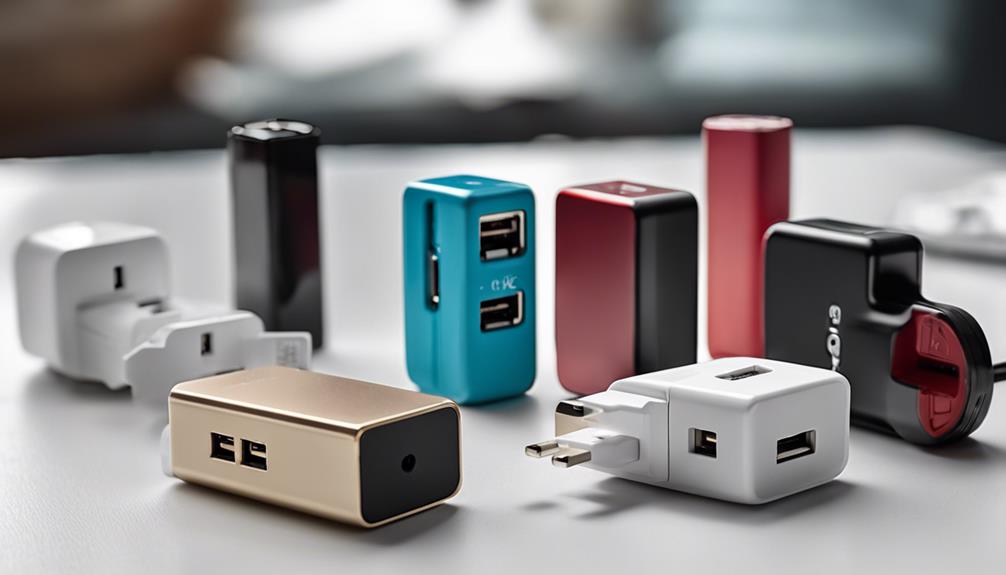

Spy camera USB chargers combine an ordinary charging accessory with a concealed camera. Their small size and familiar appearance may make them attractive for security monitoring, but they also create significant privacy, consent, and legal concerns. This guide explains the features commonly associated with these devices and the questions to consider before buying or using one.
What Is a Spy Camera USB Charger?
A spy camera USB charger is designed to look like a standard wall charger while containing a camera behind a small lens opening. Depending on the model, it may capture still images, record video, detect movement, store files on local memory, or transmit footage over a wireless connection.
Because the device resembles an everyday charger, it can be difficult for other people to recognize that recording is possible. For that reason, it should never be placed in a private area or used to record people without their knowledge where consent is required.
Seven Features to Evaluate
1. Video resolution
Resolution affects how clearly footage can be viewed, particularly when identifying objects or reviewing activity at a distance. Product descriptions may use terms such as high definition or high resolution, but these labels do not always describe real-world image quality. Check sample footage, viewing angles, and low-light performance where reliable information is available.
2. Motion detection
Motion detection can start recording when movement occurs, helping reduce unnecessary footage and conserve storage. Look for information about detection sensitivity, recording length, and whether the feature can produce repeated alerts or clips. False triggers may occur when lighting changes, shadows move, or pets pass through the frame.
3. Local storage and file access
Some charger cameras save recordings to removable or internal storage, while others transfer files through a connected app or network. Before choosing a model, confirm the supported storage method, maximum capacity, file format, and how recordings are retrieved. A device that is difficult to access or lacks clear instructions may be unsuitable for responsible security use.
4. Wireless and remote viewing
Wireless connectivity may allow an authorized user to view a live feed or receive notifications remotely. This convenience also introduces security risks. Use a strong, unique account password, enable available security protections, update the device when updates are provided, and avoid connecting an unknown camera to a sensitive home or office network.
5. Low-light performance
Some models advertise night vision or improved recording in dim conditions. Results depend on the camera sensor, infrared illumination, room layout, and distance from the subject. Do not assume that a small concealed camera will produce clear footage in complete darkness simply because night vision is listed in the specifications.
6. Charger safety
The device is still a mains-powered charger, so electrical safety matters as much as camera performance. Look for clear manufacturer information, appropriate voltage ratings, intact construction, and protection against overheating or short circuits. Do not use a charger that becomes unusually hot, smells of burning, shows damage, or comes from an unidentifiable source.
7. Audio recording
Audio can be more legally sensitive than video. In many places, recording a conversation without the required consent may be restricted even when the device is located in your own property. If audio is not essential, disable it. Review local rules before using any recording feature.
Appropriate Uses
A camera charger may be appropriate for clearly communicated security monitoring in an area where people understand that recording is taking place. It can also be used for testing or demonstration in a controlled space with the permission of everyone involved. Visible cameras, signage, and written policies are generally better choices for shared homes, workplaces, and public-facing areas.
Where It Should Not Be Used
- Bedrooms, bathrooms, changing areas, or other places where people reasonably expect privacy.
- Shared workplaces without a clear policy, notice, and a legitimate security purpose.
- Homes, hotel rooms, rental properties, or offices where occupants have not agreed to recording.
- Any situation involving stalking, harassment, intimidation, or recording private conversations without permission.
Questions to Ask Before Buying
- Does the product provide clear specifications and trustworthy safety information?
- Where are recordings stored, and who can access them?
- Can video and audio recording be disabled separately?
- How are accounts, wireless connections, and firmware updates protected?
- Will everyone affected by the camera receive notice and provide the consent required by local law?
Final Considerations
The most important feature of a spy camera USB charger is not its discreet appearance but its safe, lawful, and transparent use. Resolution, motion detection, remote access, low-light capability, storage, and charging performance can all affect suitability, yet none of them override privacy rights. For most home and office security needs, a visible camera with clear notice is easier to manage responsibly and less likely to create legal or ethical problems.