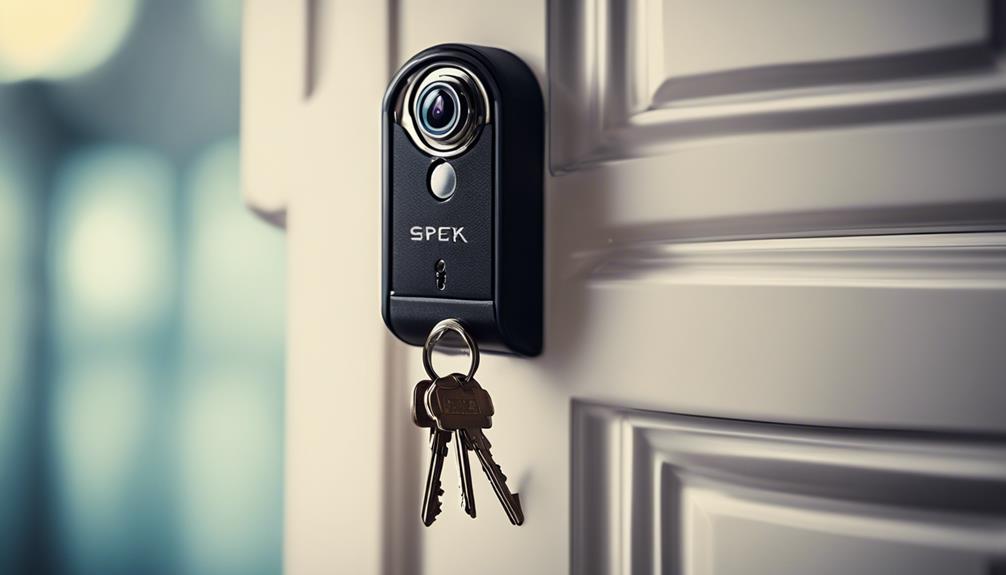

A key holder-style camera can combine an everyday household object with discreet monitoring, making it an option for watching an entryway, hallway, or another permitted area of the home. However, the best choice is not necessarily the smallest or least noticeable model. Video quality, storage, power, network security, and lawful use all matter when comparing key holder spy cameras.
Start with a Suitable and Lawful Placement
Before buying any concealed or compact camera, decide exactly what you need to monitor. A camera near a private entrance may help document activity around a doorway, while a hallway position can provide a view of movement through the home. Avoid locations where people reasonably expect privacy, such as bathrooms or bedrooms, and check applicable recording and consent laws before using the device.
The holder itself should look appropriate for its surroundings without obstructing the lens. A discreet design can reduce visual clutter, but it should not be used to record people secretly where doing so is unlawful or inappropriate.
Video Quality and Viewing Angle
Clear footage is more useful than a high-sounding specification alone. Look for a camera that produces sufficiently detailed video for the area being monitored. Image quality affects whether you can distinguish a person, recognize an object, or review what happened at an entryway.
An adjustable lens or mounting position can also be valuable. A wide view may cover more of a room, while a narrower angle can focus on a door or passage. Check for obstructions caused by the key holder’s frame, nearby walls, or decorative items before finalizing the placement.
Motion Detection and Recording Controls
Motion detection can start recording when movement occurs instead of saving continuous footage filled with uneventful periods. This may reduce storage use and make important clips easier to find. It is worth checking whether the sensitivity can be adjusted, since passing shadows, pets, or changing light can create unwanted alerts.
Recording controls are equally important. Depending on the model, you may need to choose between continuous recording, event-based clips, or manually saved footage. Review how alerts are delivered and whether the camera allows you to customize notification times.
Low-Light and Night Vision Performance
If the camera will operate after dark, look for a stated night vision capability. Infrared illumination can help a camera capture footage in low-light or dark conditions, but the useful range and image clarity may vary with the room, placement, and available light.
Test the camera at night after installation. Reflections from glass, glossy surfaces, or nearby walls can affect infrared footage, and a position that works well during the day may not provide the same view after dark.
Wireless Access and Data Protection
Wireless connectivity can make installation easier and allow remote viewing through a phone, tablet, or computer. Confirm that the camera is compatible with your home network and can maintain a reliable signal from its intended location. Weak connectivity may result in delayed alerts, interrupted live views, or incomplete uploads.
Because a home camera can capture sensitive footage, security should be part of the buying decision. Prefer a device and service that use strong account protection and encryption. Use a unique password, enable available multifactor authentication, keep the camera’s software updated, and limit access to people who genuinely need it.
Battery Life, Power, and Installation
A battery-powered key holder camera may be easier to position because it does not require a nearby outlet. The trade-off is the need to monitor battery levels and recharge the device. Choose a model with power information that matches your intended recording pattern, particularly if motion detection will operate around the clock.
Installation should be stable and straightforward. Follow the manufacturer’s instructions when using adhesive mounts, screws, or other hardware, and verify that the lens is not blocked. After setup, check the live view, motion alerts, recording function, and night image before relying on the camera.
Storage Options
Storage can be handled through a removable memory card, internal memory, cloud storage, or a combination of these options. Local storage may avoid an ongoing service requirement, while cloud storage can make footage available when you are away from home. Consider recording capacity, access requirements, retention controls, and what happens if the camera is damaged or taken.
Choosing a Practical Budget
Lower-cost models may provide basic motion detection, night vision, and video recording without advanced features. More expensive options may add remote access, greater storage flexibility, or improved control over alerts. Compare the features you will actually use rather than paying solely for a more elaborate appearance or a longer list of specifications.
Final Checks Before Buying
- Confirm that the camera’s view covers the intended area.
- Check video quality and night vision performance for the lighting conditions in your home.
- Review battery, power, storage, and subscription requirements.
- Verify wireless compatibility and available account-security features.
- Use the camera only in locations and situations permitted by applicable law.
A key holder spy camera can be a compact addition to a home security plan, but its value depends on responsible placement and dependable operation. Prioritize clear footage, reliable recording, secure remote access, and a setup that respects privacy.