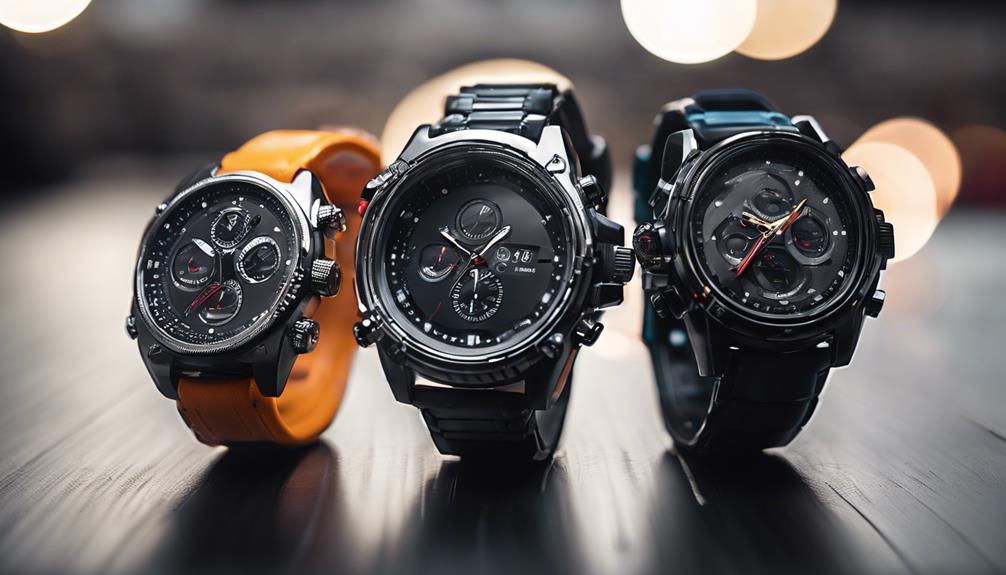

A spy camera watch combines the appearance of an ordinary wristwatch with a small camera and recording system. That combination can be useful for documenting situations where a conventional camera would be inconvenient, but it also creates important privacy and legal responsibilities. Before choosing one, focus on how discreetly it can be worn, how reliably it records, and whether it is practical for your intended use.
The legacy market for these devices is often described through “top five” lists, but specific models and specifications can vary widely. A more useful way to compare spy camera watches is to examine the five capabilities that have the greatest effect on recording quality and day-to-day usability.
1. A discreet, wearable design
The main appeal of a camera watch is that it looks like a normal accessory rather than a dedicated recording device. A watch with a conventional shape, comfortable strap, and restrained styling is easier to wear naturally in professional or casual settings.
Look closely at the position of the camera lens and any visible controls. The lens should have a clear field of view when your wrist is held naturally, while buttons should be easy for the wearer to identify without requiring constant attention. A bulky case or unusually prominent lens may make the device less practical and less discreet.
- Choose a design that is comfortable for extended wear.
- Check that the camera is not blocked by the strap, sleeve, or hand position.
- Prefer controls that can be operated without repeatedly looking at the watch.
2. Video quality and recording reliability
Resolution is only one part of useful video. Clear footage also depends on lighting, camera placement, file handling, and whether the watch can maintain a steady recording. Higher-resolution recording may help preserve details such as faces, text, or actions, but it can also use more storage and battery power.
Before buying, identify how recording starts and stops, where files are saved, and how easily footage can be transferred. A quick-start function is valuable when a moment needs to be documented promptly. It is also worth checking whether the watch records continuously or divides footage into separate files.
3. Battery life for the intended session
A camera watch is only useful while it has enough power to operate. Battery performance depends on recording resolution, screen use, wireless functions, storage activity, and the condition of the battery. The longest advertised runtime may not reflect normal use, particularly when video is recorded continuously.
Consider how long each recording session is likely to last and whether recharging will be possible. Power-saving modes can reduce unnecessary drain when the camera is not active, while a clear battery indicator helps prevent an unexpected interruption. If recording is important, test the device in the conditions where it will actually be used rather than relying only on a specification sheet.
4. Straightforward controls and file access
Simple operation is more important than a long list of features. A watch should make it clear when recording has started, stopped, or failed, even if it is designed to limit visible indicators. Confusing menus can lead to missed footage, accidental recordings, or files that are difficult to retrieve.
Some camera watches include remote controls or wireless connections for managing recordings and transferring files. These functions may be convenient, but they can also consume additional power and require a compatible phone or computer. Confirm how files are accessed, what connection is required, and whether the device can be used without a companion application.
5. Additional surveillance functions
Extra features can make a camera watch more flexible, although they should not distract from the basics of reliable video recording. Depending on the device, advanced functions may include audio capture, live viewing, remote access, or the ability to review stored footage through another device.
Audio deserves particular care. Recording conversations can be subject to different consent rules from recording video, so an audio function should be used only when it is lawful and appropriate. Live streaming and remote access also introduce security concerns: protect connected accounts, use strong passwords, and avoid exposing recordings unnecessarily.
Responsible use matters
Covert recording can affect the privacy, safety, and reputation of other people. Laws and workplace policies may restrict recording in private spaces, meetings, schools, changing areas, or other sensitive settings. Before using a camera watch, obtain consent where required and check the rules that apply to your location and situation.
For legitimate documentation, a visible camera or openly agreed recording method is often the safer choice. If a discreet device is appropriate, use it narrowly, store footage securely, and delete recordings that are no longer needed.
Making the choice
The best spy camera watch is not necessarily the one with the most features. Prioritise a natural, wearable design; dependable video; sufficient battery life; controls you can operate confidently; and secure, lawful handling of recordings. Comparing these five areas will produce a more realistic choice than relying on a generic ranking or a high-resolution claim alone.