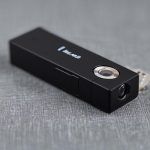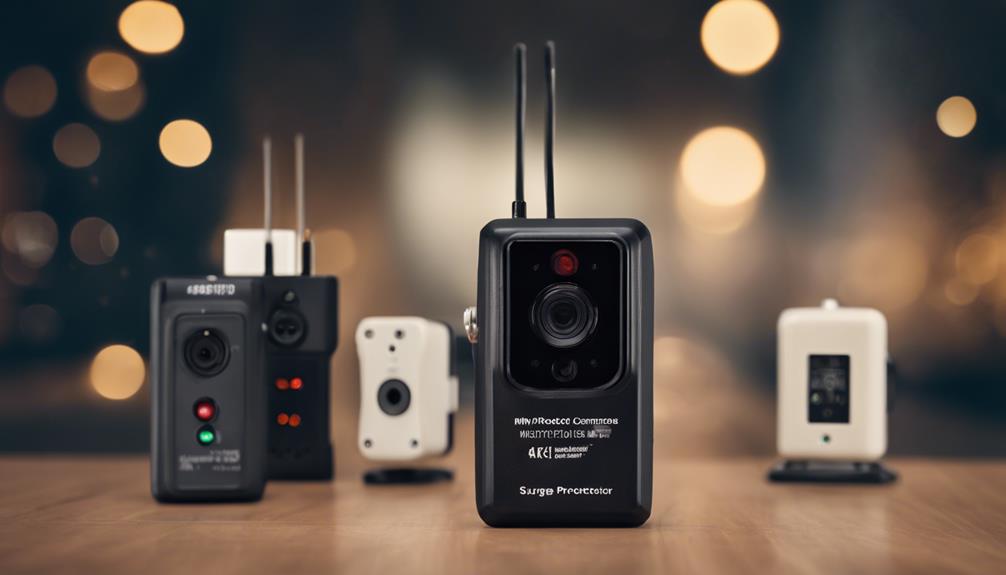

The kitchen is often one of the busiest rooms in a home, which makes it a practical place for indoor monitoring. A well-positioned kitchen security camera can help you check on children or pets, review a safety incident, communicate with someone at home, or receive an alert when unexpected activity occurs. The best setup is not necessarily the one with the most features; it is the one that provides useful coverage while respecting the privacy of everyone who may enter the room. Consider covert monitoring techniques for safely observing kitchen activity while respecting privacy and legal restrictions.
Why install a camera in the kitchen?
A kitchen camera can support several everyday safety and security needs:
- Safety checks: View the cooking area when a stove, oven, or other appliance may have been left in use.
- Child and pet supervision: Check whether children or animals have entered an area containing hot surfaces, sharp objects, or unsuitable foods.
- Caregiving: Stay aware of activity involving an elderly family member or a caregiver, provided the arrangement is lawful and understood by everyone involved.
- Home security: Monitor a common entry route or document activity after an incident.
- Remote communication: Use two-way audio to speak with someone in the kitchen without making a phone call.
A camera should complement, rather than replace, basic precautions such as working smoke alarms, safe appliance use, and secure storage for hazardous items.
Features worth prioritising
Clear video and suitable coverage
Choose a camera that produces clear images in both ordinary indoor lighting and low-light conditions. A wide viewing angle can cover more of the room, but an excessively wide lens may make faces and small details harder to identify. Check that the camera can capture the areas you actually need without including private rooms or neighbouring properties.
Useful alerts
Motion detection can notify you when activity occurs while you are away. Adjustable sensitivity and activity zones are valuable in a kitchen, where routine movement, changing light, pets, or appliances may otherwise create frequent false alerts. If available, configure notifications around specific areas instead of recording every movement in the room.
Storage and account security
Review how recordings are stored before purchasing. Cloud storage may provide convenient access and retention options, while local storage can reduce reliance on a subscription. Whichever approach you choose, use a strong, unique account password, enable multi-factor authentication when available, and limit access to trusted users. Understand how long recordings are retained and how clips can be deleted.
Power and kitchen conditions
A wired camera usually provides continuous power, while a battery model may offer more flexibility in placement but requires regular charging. Keep any camera away from direct heat, steam, splashing water, and heavy grease. A position near, but not directly above, the cooking surface is generally more practical for long-term maintenance. When choosing kitchen surveillance, compare current CCTV pricing to match features with your household security budget.
Placement tips for better results
Mount the camera high on a wall or place it on a stable surface where it cannot be easily knocked over. Aim it toward the main activity area, entry point, or appliance zone rather than directly at a window, which can cause glare and expose unnecessary outdoor views.
Before fixing the camera permanently, test the view at different times of day. Confirm that faces and important areas are visible, then check the image again at night. Keep cables away from sinks, hot surfaces, and walkways. Clean the lens periodically because cooking residue can quickly reduce image quality.
Privacy controls can also improve the setup. Use recording schedules, privacy zones, or lens shutters if the camera supports them. Avoid positioning a kitchen camera so that it overlooks bedrooms, bathrooms, changing areas, or other locations where people reasonably expect privacy.
Hidden cameras and consent
Discreet monitoring requires particular care. Laws governing video recording, audio capture, consent, and access to footage vary by location. Audio may be subject to stricter rules than video, and recording someone without their knowledge may create legal or serious ethical problems even in a shared home. A camera should never be placed in a private area.
In most household situations, a visible camera and clear agreement with regular occupants, visitors, caregivers, or domestic workers is the safer approach. If you believe covert monitoring is necessary, obtain qualified legal advice before recording and do not assume that owning or renting the property gives unrestricted permission to monitor everyone in it.
Ongoing maintenance
- Clean the lens and inspect the mount for grease, dust, or looseness.
- Check that alerts, recording schedules, and time settings still match your needs.
- Install device and app updates through the manufacturer’s normal process.
- Review who can view live video or saved clips, and remove accounts that are no longer needed.
- Test the camera after rearranging furniture, changing household routines, or adding a new appliance.
Make privacy part of the design
A kitchen security camera is most useful when its purpose is clear, its view is limited to appropriate shared areas, and access to recordings is carefully controlled. Select dependable video, sensible alerts, secure storage, and a placement that avoids private spaces. With transparent use and regular maintenance, a kitchen camera can support home safety without undermining the trust of the people who live and work there.